Cellulitis Treatment Clinic In Secunderabad
Cellulitis Explained: Early Warning Signs, High-Risk Symptoms, and Advanced Treatment Options
KM Vascular Clinic helps patients understand vascular and skin-related concerns and explore appropriate medical evaluation and treatment options. Cellulitis is a bacterial skin and soft tissue infection that can cause redness, swelling, warmth, tenderness, and pain. It commonly affects the lower legs but can develop in other parts of the body.
Early detection of cellulitis is crucial because, if untreated, the infection can spread and result in major problems. This guide explains the early warning signs, causes, risk factors, diagnostic methods, treatment options, and when to seek medical attention.
What Is Cellulitis?
An infection affecting the skin's deeper layers and the tissue beneath them is known as Cellulitis Treatment Clinic In Secunderabad. It typically appears when germs enter the body through a cut, wound, insect bite, ulcer, skin fissure, or other skin barrier breach.
Common bacteria responsible include Streptococcus and Staphylococcus species. Cellulitis is not the same as ordinary skin irritation, and it generally requires medical assessment and antibiotic treatment.
Although cellulitis can affect anyone, people with diabetes, poor circulation, vascular swelling, or weakened immune systems may have a higher risk of developing the infection or experiencing complications.
What Are Cellulitis's Early Warning Signs?
Early cellulitis symptoms can develop over hours or days. Recognizing these changes can help people seek treatment promptly.
1. Redness of the Skin
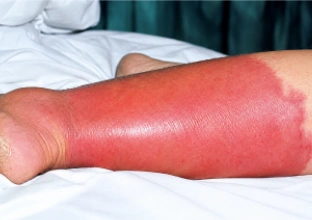
The affected area often becomes red or darker than the surrounding skin. On darker skin tones, redness may be less visible, so warmth, swelling, tenderness, and changes in skin texture are also important signs.
2. Warmth and Tenderness
The infected area may feel noticeably warmer than nearby skin. Touching it may cause tenderness, discomfort, or pain.
3. Swelling
Swelling can develop around the affected area, particularly in the lower leg or foot.
4. Increasing Pain
Pain or tenderness may gradually worsen as the infection progresses. Discomfort may occur even without a visible wound.
5. Fever and Chills
Some people develop fever, chills, fatigue, or a general feeling of being unwell. These signs could be a sign that the infection is getting worse.
Important: Seek urgent medical assessment if you suspect cellulitis. Do not wait for every symptom to appear before contacting a healthcare professional.
What Causes Cellulitis?
Cellulitis occurs when bacteria enter the skin and multiply in the underlying tissue. Several conditions can make it easier for bacteria to enter.
Common Causes and Entry Points
-
Cuts, scratches, and open wounds
-
Insect bites or animal bites
-
Cracked skin between the toes
-
Fungal foot infections, such as athlete's foot
-
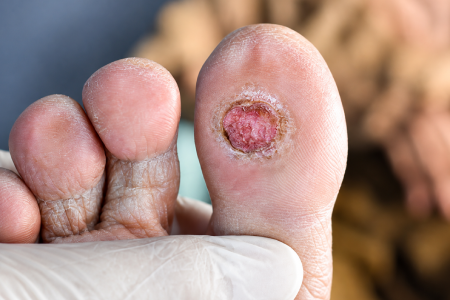
Skin ulcers or poorly healing wounds
-
Surgical wounds or injuries
How Can Poor Circulation Contribute to Cellulitis?
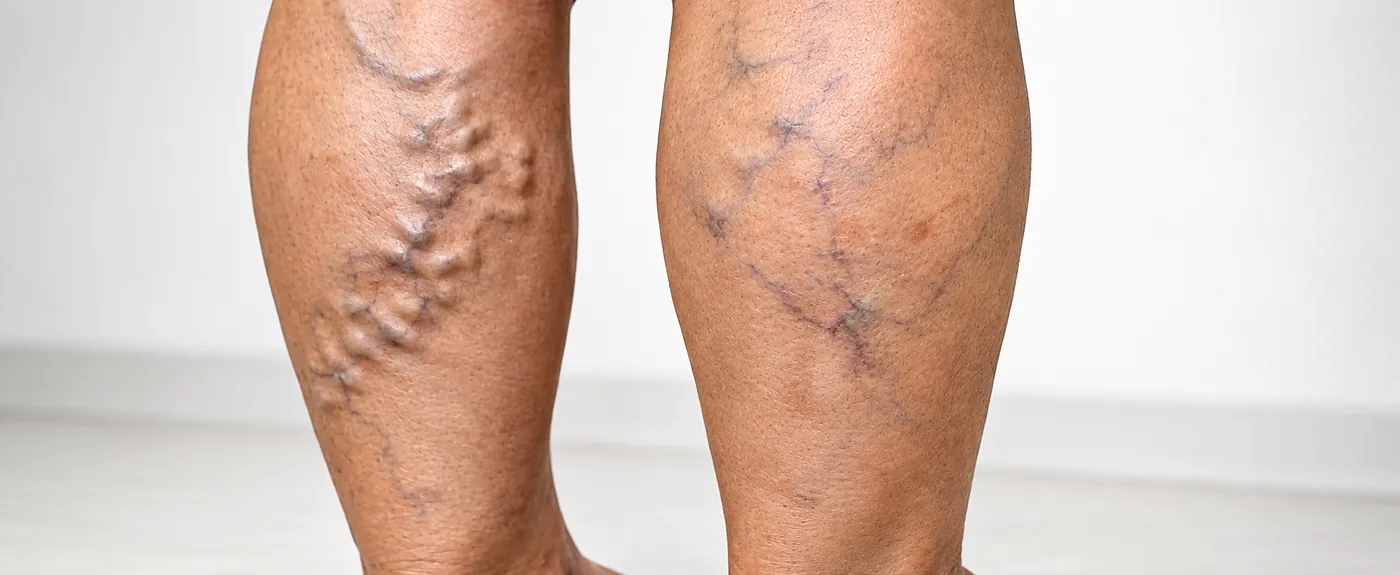
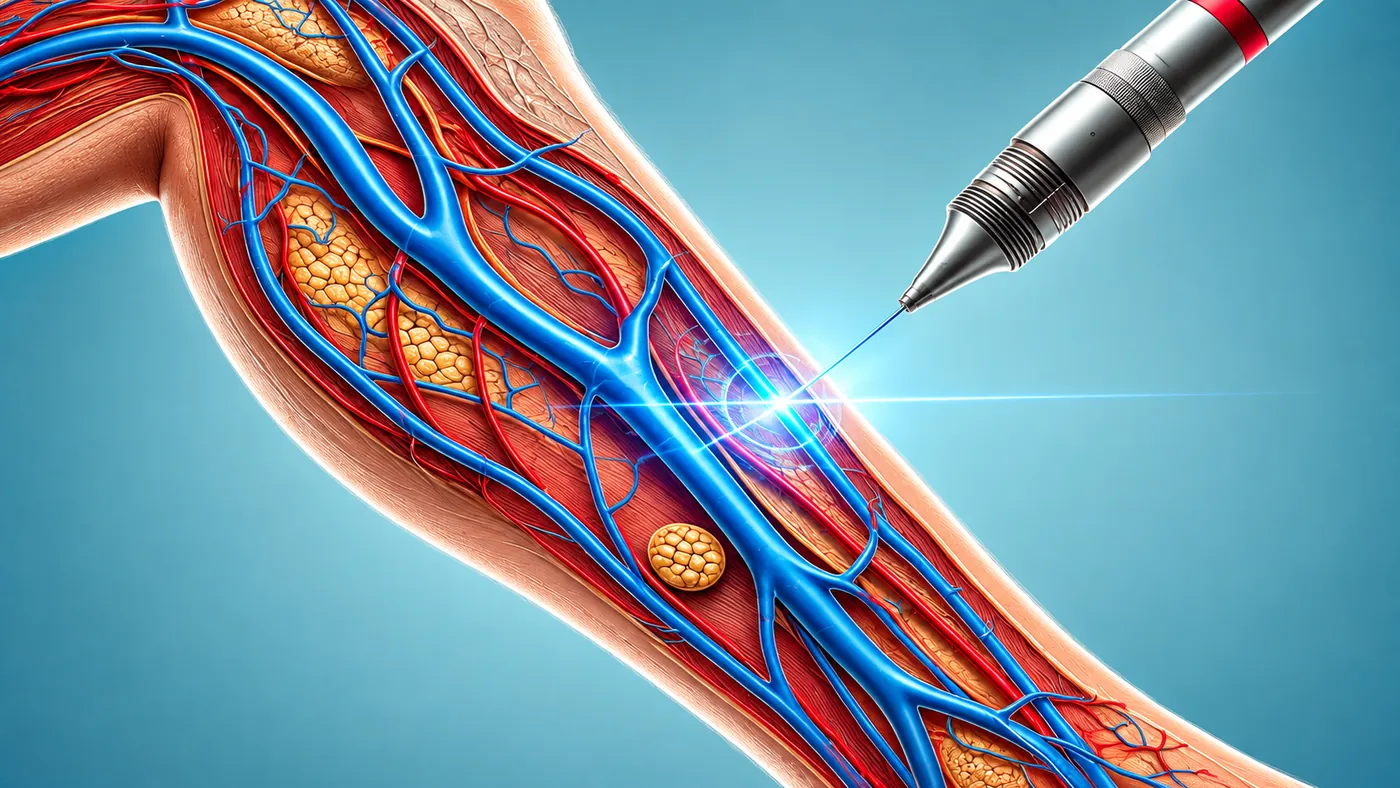
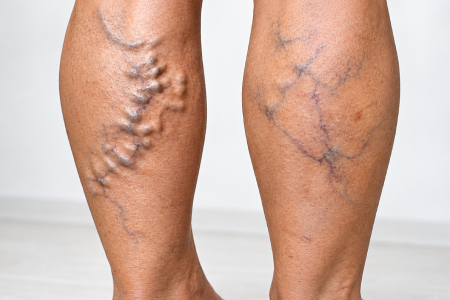
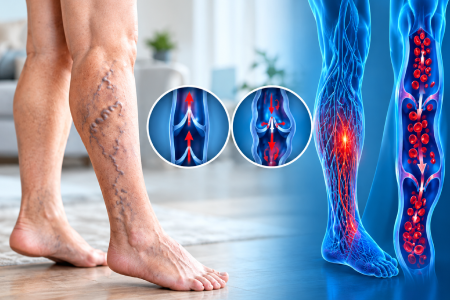
Poor circulation and vascular swelling can affect skin health and wound healing. Conditions such as vascular venous insufficiency may cause blood to pool in the lower legs, contributing to swelling, skin changes, and ulcers.
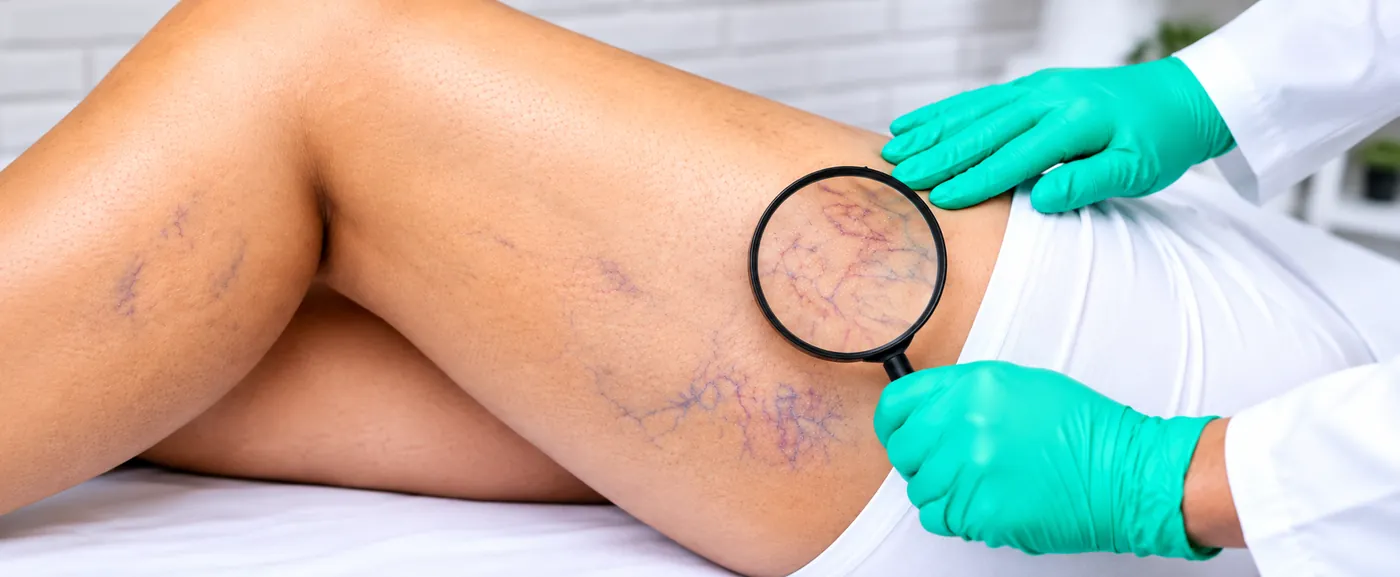
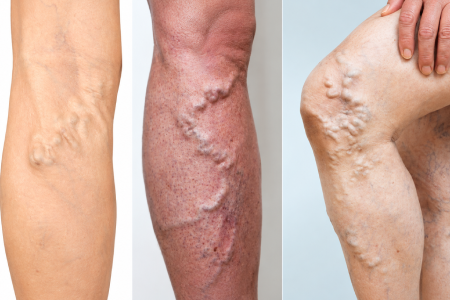
These problems can increase the risk of skin breakdown and infection. People with persistent leg swelling, varicose veins, or lower-leg ulcers should seek medical advice when they notice new redness, warmth, pain, or swelling.
Who Is at Higher Risk of Cellulitis?
Certain health conditions and everyday factors can increase the likelihood of developing cellulitis.
-
Diabetes: High blood sugar can affect immune function and wound healing.
-
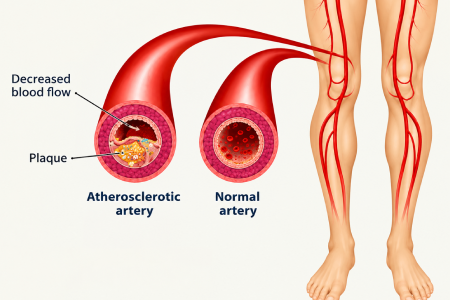
Poor circulation: Reduced blood flow may delay the healing of wounds.
-
Vascular leg swelling: Persistent swelling can damage the skin and make infections more likely.
-
Varicose veins: These may be associated with swelling and skin changes that increase the risk of skin breakdown.
-
Lymphedema: Long-term lymphatic swelling can increase infection risk.
-
Weakened immunity: Some illnesses and treatments reduce the body's ability to fight infection.
-
Previous cellulitis: An earlier infection can increase the risk of recurrence.
-
Skin conditions: Cracks, ulcers, fungal infections, and eczema may provide entry points for bacteria.
People with these risk factors should pay attention to changes in their skin and seek early assessment when infection is suspected.
When Are Cellulitis Symptoms Dangerous?
Cellulitis can sometimes progress quickly. Certain symptoms require urgent medical attention rather than routine clinic follow-up.
High-Risk Warning Signs
Seek emergency medical care if you experience:
-
Rapidly spreading redness or swelling
-
Severe or rapidly worsening pain
-
Fever with significant weakness, confusion, or faintness
-
Blistering, purple or black skin changes, or areas of skin breakdown
-
Cold, clammy skin or other signs of severe illness
Call emergency services immediately if symptoms include confusion, collapse, difficulty breathing, or other signs of a life-threatening illness. Severe pain that seems out of proportion to visible skin changes also requires emergency assessment.
Cellulitis affecting the area around the eye, or occurring in someone who is severely immunocompromised, also warrants prompt medical evaluation.
How Is Cellulitis Diagnosed?
A medical practitioner will often diagnose Cellulitis Treatment Clinic In Secunderabad by looking at the afflicted skin and reviewing the symptoms. Every instance cannot be confirmed by a single standard test.
1. Medical History
The clinician may ask when symptoms began, whether they are spreading, whether there has been an injury, and whether the patient has diabetes, circulation problems, previous cellulitis, or other relevant conditions.
2. Physical Examination
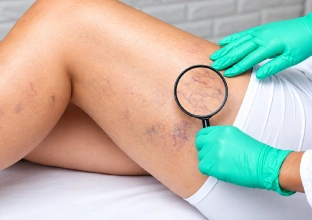
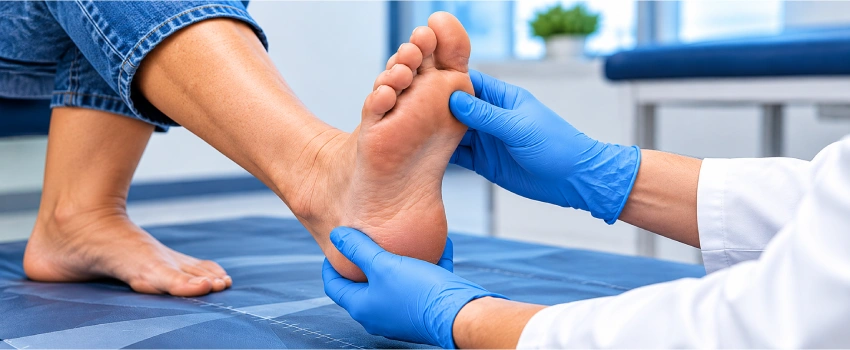
The affected area is examined for warmth, tenderness, swelling, skin discoloration, wounds, ulcers, and signs of spreading infection. The clinician may also assess temperature, heart rate, and general health.
3. Blood Tests
Blood tests may be recommended if the infection appears severe, the patient has systemic symptoms, or another medical condition needs assessment. Blood tests are not necessary for every uncomplicated case.
4. Wound Swabs or Cultures
A sample may be collected when there is drainage, an open wound, or a specific reason to identify the bacteria. Routine swabs of intact skin generally do not diagnose cellulitis reliably.
5. Imaging and Other Tests
Ultrasound may be used when a blood clot or collection of pus is suspected. Other imaging or specialist tests may be needed if the clinician suspects a deeper infection or another serious condition.
Because cellulitis can resemble other conditions, professional assessment is important before beginning treatment.
What Are the Treatment Options for Cellulitis?
Treatment depends on the severity of the infection, the patient's overall health, the affected area, and whether complications are present.
1. Antibiotic Treatment
Antibiotics are the main treatment for bacterial cellulitis. A healthcare professional selects the medicine according to the likely bacteria, allergy history, severity, local guidance, and other clinical factors.
Mild cases may be treated with oral antibiotics. More serious infections may require hospital assessment and intravenous antibiotics.
Patients should take antibiotics exactly as prescribed and contact their clinician if symptoms worsen or fail to improve within the timeframe advised. Do not use leftover antibiotics or stop a prescribed course without medical guidance.
2. Elevation of the Affected Limb
When cellulitis affects an arm or leg, elevating the limb can help reduce swelling and discomfort. This is supportive care and does not replace antibiotics.
3. Pain and Fever Management
A healthcare professional or pharmacist can advise on appropriate pain relief and fever management based on the patient's medical history and other medicines.
4. Wound Care
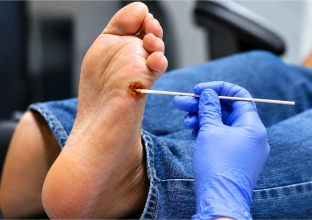
If an open wound or ulcer is present, appropriate cleaning, dressing, and wound management may be needed. The wound should be assessed for contributing factors such as pressure, diabetes, or poor circulation.
5. Hospital Treatment for Severe Infection
Hospital care may be necessary for rapidly spreading infection, systemic illness, severe pain, inability to take oral medication, or suspected complications. Treatment may include intravenous antibiotics, monitoring, fluids, and further investigations.
If an abscess or another collection of pus is present, a clinician may recommend drainage. Surgery may be necessary for certain serious infections, but it is not routine treatment for uncomplicated cellulitis.
Key Features of Cellulitis Evaluation and Care
An effective assessment focuses on identifying the infection, determining its severity, and addressing factors that could delay recovery.
Key features may include:
-
Evaluation of skin redness, warmth, pain, and swelling
-
Assessment for fever and other signs of systemic infection
-
Identification of wounds or possible bacterial entry points
-
Review of diabetes, circulation, and immune-related risk factors
-
Selection of appropriate antibiotics when indicated
-
Wound care and swelling management when needed
-
Follow-up to assess response and identify complications
The exact care plan depends on the patient's symptoms, examination findings, and medical history.
What Are the Benefits of Early Cellulitis Treatment?
Seeking treatment early can help control the infection and reduce the risk of complications.
Potential benefits of timely assessment and appropriate treatment include:
-
Better infection control: Appropriate antibiotics can treat the bacterial infection.
-
Reduced risk of spread: Prompt treatment may limit progression into surrounding tissue.
-
Earlier identification of complications: Medical assessment can detect abscesses or more serious infections.
-
Improved wound management: Treating wounds and skin conditions can support healing.
-
Reduced recurrence risk: Addressing vascular swelling, fungal infections, and skin damage may help prevent future episodes.
Recovery time varies. Some people begin to improve within a few days of starting suitable treatment, but swelling and skin discoloration may take longer to settle. Symptoms that worsen or fail to improve as expected need reassessment.
Technical Specifications: Clinical and Diagnostic Considerations
-
Skin and Wound Examination: Identifies typical signs of cellulitis and possible entry points for bacteria.
-
Vital Signs Assessment: Helps evaluate fever and signs of systemic illness.
-
Blood Tests: May help assess infection severity or systemic involvement when clinically indicated.
-
Wound or Blood Cultures: May identify the bacteria responsible in selected cases.
-
Ultrasound Examination: Helps investigate a suspected blood clot or abscess when necessary.
-
Antibiotic Selection: Depends on infection severity, likely bacteria, allergies, and individual clinical factors.
-
Follow-Up Assessment: Monitors recovery and identifies whether further evaluation or treatment is needed.
Applications: When Should You Consult a Vascular Specialist?
When Cellulitis Treatment Clinic In Secunderabad coexists with circulation issues, recurrent leg swelling, varicose veins, or lower-limb ulcers, a vascular specialist may be of assistance.
Consider seeking medical evaluation when:
-
New redness, warmth, pain, or swelling develops in the lower leg.
-
A wound or ulcer shows signs of infection.
-
Vascular venous disease is contributing to skin changes or repeated wounds.
-
Cellulitis has occurred more than once.
-
Leg swelling persists after the acute infection has been treated.
-
A clinician suspects a circulation problem or another condition affecting healing.
How Can You Help Prevent Cellulitis?
Although not every case can be prevented, healthy skin care and management of underlying conditions can reduce risk.
Practical Prevention Tips
-
Clean and protect wounds: Gently clean cuts and cover them with an appropriate dressing.
-
Treat fungal infections: Seek treatment for athlete's foot or cracked skin between the toes.
-
Moisturize dry skin: Use a suitable moisturizer to reduce cracking, especially on the feet and lower legs.
-
Manage diabetes: Follow your clinician's advice for blood sugar control and foot care.
-
Address persistent swelling: Ask a healthcare professional about suitable management for venous disease or lymphedema.
-
Inspect your skin: Check the feet and legs regularly, especially if sensation or circulation is reduced.
-
Seek early care: Contact a healthcare professional when new redness, warmth, tenderness, or swelling appears.
How Do You Choose the Right Cellulitis or Vascular Clinic?
When choosing a clinic, consider whether it can provide appropriate assessment, treatment guidance, and follow-up for your condition.
Look for:
-
Qualified clinicians: Check the relevant medical qualifications and experience.
-
Clear diagnosis and explanation: The clinician should explain the suspected infection and any alternative diagnoses.
-
Appropriate treatment: Antibiotics and investigations should be selected according to clinical need.
-
Wound and circulation assessment: This can be valuable when ulcers, vascular swelling, or vascular disease are present.
-
Follow-up arrangements: You should know when to return and which symptoms require urgent care.
-
Referral options: The clinic should be able to refer patients for hospital care or specialist investigations when necessary.
Frequently Asked Questions About Cellulitis
Is cellulitis a serious infection?
Cellulitis can range from a localized infection to a serious illness. Prompt medical assessment and appropriate antibiotics help reduce the risk of complications.
What are the first signs of cellulitis?
Early signs often include skin warmth, tenderness, swelling, pain, and redness or darker discoloration. Some people also develop fever or chills.
Can cellulitis go away without antibiotics?
Cellulitis is a bacterial infection that generally requires antibiotic treatment. Do not rely on home remedies or wait for it to disappear without medical advice.
How long does cellulitis take to heal?
Many people begin to feel better within a few days of starting appropriate antibiotics. Complete recovery may take longer, and swelling or skin discoloration can persist after the infection improves.
Can varicose veins increase the risk of cellulitis?
Varicose veins can contribute to swelling and skin changes in some people. These changes may increase the risk of skin breakdown, ulcers, and infection, particularly when vascular venous disease is present.
Is cellulitis contagious?
Cellulitis itself is not usually spread through ordinary person-to-person contact. However, bacteria can enter through broken skin, and any draining wound should be handled with good hand hygiene and appropriate dressings.
When should I go to the hospital for cellulitis?
Seek urgent care for rapidly spreading redness, severe or worsening pain, fever with significant illness, or suspected complications. Confusion, collapse, breathing difficulty, or other signs of severe illness require emergency care.
Can cellulitis come back after treatment?
Yes. Recurrence is possible, particularly when vascular swelling, venous disease, fungal infections, ulcers, or other risk factors remain. Managing these underlying issues may reduce the chance of another episode.