Peripheral Artery Disease (PAD)
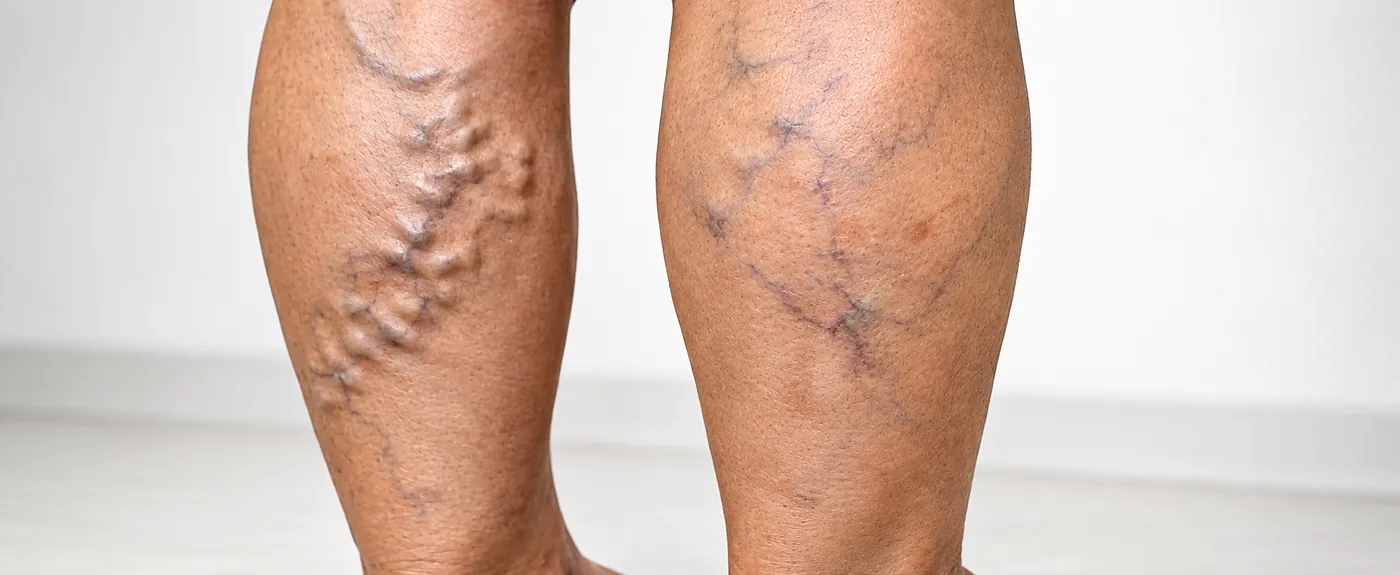
Understanding Peripheral Artery Disease: Causes, Symptoms, and Treatment Options
What Is Peripheral Artery Disease?
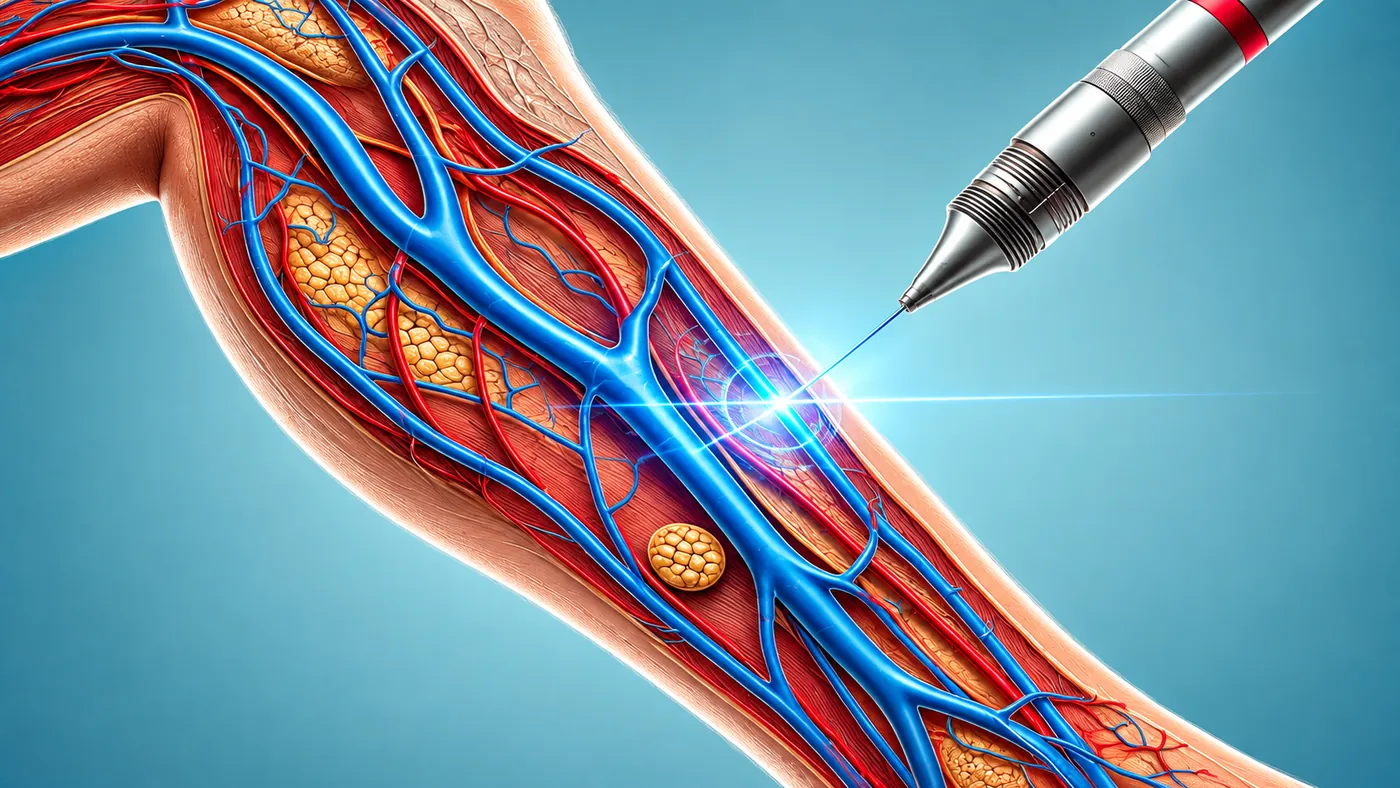
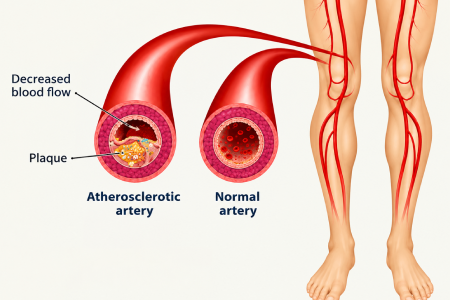
Peripheral artery disease (PAD) occurs when the arteries that supply blood to the limbs (primarily the legs) become narrowed or blocked due to the buildup of fatty deposits, known as plaque. This process is called atherosclerosis. The reduced blood flow means that the tissues in the affected limbs receive less oxygen and nutrients, which can lead to pain, weakness, and, if untreated, more severe complications such as tissue death or amputation.
PAD is considered a form of peripheral vascular disease (PVD), which refers to any disease affecting blood vessels outside of the heart and brain.
Causes and Risk Factors
The primary cause of PAD is atherosclerosis, a condition where cholesterol, fat, and other substances accumulate in the arterial walls, leading to plaque formation. Over time, this plaque narrows and hardens the arteries, restricting blood flow.
-
Age: The risk of developing PAD increases with age, especially for individuals over the age of 50.
-
Smoking: Smoking is one of the leading causes of PAD. It accelerates the process of plaque buildup, damages blood vessels, and increases the risk of blood clots.
-
Diabetes: People with diabetes are at higher risk of PAD due to the damage that high blood sugar levels can cause to the blood vessels.
-
High Blood Pressure: Vascular high blood pressure puts extra strain on the arterial walls, contributing to the development of atherosclerosis and PAD.
-
High Cholesterol: Elevated cholesterol levels can lead to the formation of plaque in the arteries, increasing the risk of PAD.
-
Obesity: Being overweight puts added pressure on the cardiovascular system, increasing the risk of plaque buildup in the arteries and contributing to PAD.
-
Family History: A family history of heart disease, PAD, or atherosclerosis can increase the likelihood of developing PAD.
-
Sedentary Lifestyle: Lack of physical activity can contribute to high cholesterol, high blood pressure, and obesity, all of which increase the risk of PAD.
Symptoms of Peripheral Artery Disease
The symptoms of PAD can range from mild to severe. Common symptoms include:
-
Leg Pain (Claudication): Pain, cramping, or heaviness in the leg muscles that occurs during physical activity.
-
Numbness or Weakness: Reduced blood flow can cause weakness or numbness in the legs or feet.
-
Coldness in the Legs or Feet: Reduced circulation can make the legs or feet feel unusually cold.
-
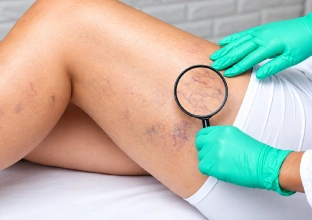
Changes in Skin Color: The skin may become pale or bluish due to reduced blood flow.
-
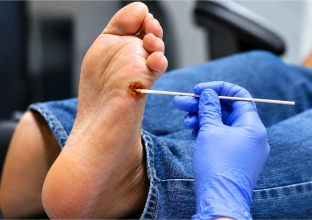
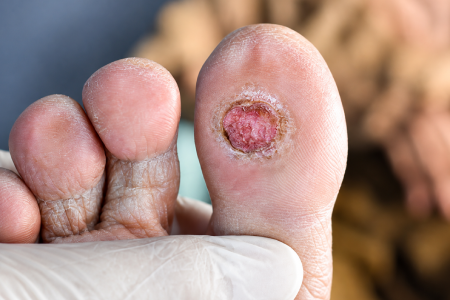
Slow or Non-Healing Wounds: Wounds or sores may heal slowly due to poor circulation.
-
Weak or Absent Pulses: Pulses in the legs or feet may be weak or difficult to detect.
-
Hair Loss: Hair loss or slower hair growth may occur on the legs and feet.
Complications of Peripheral Artery Disease
If left untreated, PAD can lead to serious complications, such as critical limb ischemia (CLI), infection, heart attacks, and even amputation
Diagnosis and Treatment Options
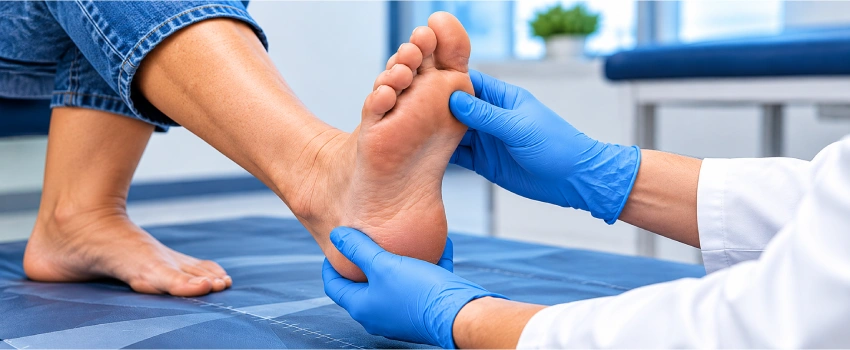
Diagnosis may involve physical exams, an ankle-brachial index test, ultrasound, or imaging tests. Treatment depends on the severity and may include lifestyle changes, medications, and procedures like angioplasty, bypass surgery, or endarterectomy.
Preventing Peripheral Artery Disease
While PAD cannot always be prevented, adopting a healthy lifestyle can reduce the risk, such as avoiding smoking, exercising regularly, and managing cholesterol and blood pressure.