Diabetic Foot Ulcer

Vascular Surgeon For Diabetic Foot Ulcer
A Vascular Surgeon For Diabetic Foot Ulcer in RTC Cross Roads evaluates circulation, wound condition, arterial disease, and other vascular factors that may contribute to delayed healing. KM Vascular Clinic provides vascular assessment and individualized diabetic foot care based on clinical needs.
What Is A Diabetic Foot Ulcer?
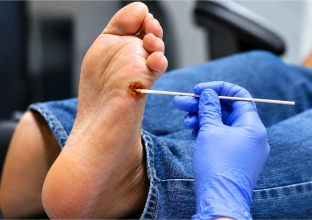
A diabetic foot ulcer is an open wound that develops on the foot in people with diabetes. Reduced sensation, repeated pressure, infection, and poor blood circulation can contribute to wound development or delayed healing.
When a diabetic foot ulcer does not heal normally, vascular evaluation can help determine whether reduced arterial blood flow is an underlying factor.
Why Is Vascular Evaluation Important For Diabetic Foot Ulcers?
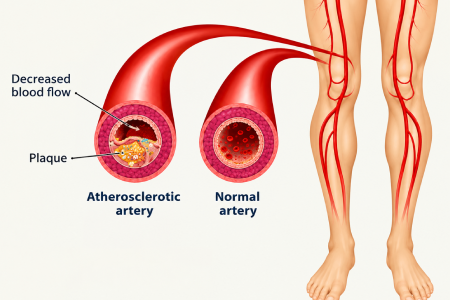
Diabetes can be associated with Peripheral Artery Disease (PAD), which may reduce blood flow to the legs and feet. Assessing circulation can help identify vascular problems that may affect wound healing.
A vascular surgeon can evaluate the blood supply to the affected foot and determine whether further vascular investigations or treatment may be appropriate.
Key Features Of Vascular Care For Diabetic Foot Ulcers
-
Vascular Circulation Assessment: Evaluation of blood flow to the foot and lower limb.
-
Diabetic Foot Examination: Assessment of the wound, surrounding tissue, and overall foot condition.
-
Peripheral Artery Disease Evaluation: Identification of possible arterial narrowing or reduced circulation.
-
Wound Assessment: Evaluation of ulcer location, depth, tissue condition, and healing progress.
-
Vascular Diagnostic Testing: Appropriate tests may be recommended according to individual clinical findings.
-
Individualized Treatment Planning: Management is planned according to circulation, wound condition, diabetes, and other relevant factors.
-
Preventive Foot Care: Guidance regarding foot monitoring and early recognition of changes.
-
Ongoing Monitoring: Follow-up assessment may be recommended depending on the wound and vascular condition.
Benefits Of Vascular Evaluation For Diabetic Foot Ulcers
-
Helps Identify Possible Blood-Flow Problems:
-
Supports Assessment for Peripheral Artery Disease:
-
Helps Determine Factors That May Affect Wound Healing:
-
Provides a Clearer Understanding of Vascular Health:
-
Supports Individualized Treatment Planning:
-
Helps Identify Patients Who May Need Additional Vascular Management:
-
Encourages Appropriate Diabetic Foot Monitoring:
-
Supports Coordination Between Vascular and Wound-Care Services:
Vascular assessment does not guarantee a particular treatment outcome. Management depends on the patient's individual medical condition.
Technical Specifications Of Vascular Assessment
For diabetic foot care, technical specifications are better described as clinical assessment parameters.
Circulation Assessment
Depending on the patient's condition, a vascular evaluation may include:
-
Peripheral Pulse Examination:
-
Ankle-Brachial Index (ABI):
-
Toe-Brachial Index (TBI):
-
Pedal Doppler Waveform Assessment:
-
Doppler-Based Vascular Evaluation:
-
Assessment for Signs of Ischemia:
-
Additional Vascular Imaging When Clinically Indicated:
Wound Assessment Parameters
The clinical evaluation may consider:
-
Ulcer Location:
-
Wound Size:
-
Wound Depth:
-
Tissue Condition:
-
Surrounding Skin:
-
Signs of Infection:
-
Circulation Status:
-
Healing Progression:
The appropriate investigations depend on the patient's symptoms and clinical examination.
Applications Of Vascular Surgeon Services For Diabetic Foot Ulcers
Non-Healing Diabetic Foot Ulcers
Vascular assessment may be considered when a diabetic foot ulcer remains open or does not show expected healing progress.
Diabetic Foot With Poor Circulation
Patients with suspected reduced blood flow may require vascular evaluation to determine whether arterial disease is contributing to delayed healing.
Recurrent Diabetic Foot Wounds
Repeated foot ulcers can require evaluation of circulation and other contributing factors to support appropriate management.
Diabetic Foot With Peripheral Artery Disease
When PAD is present alongside a diabetic foot ulcer, vascular assessment can help determine the extent of circulation problems and appropriate treatment options.
Foot Ulcers With Tissue Changes
Changes such as unusual discoloration, tissue loss, or worsening wound characteristics should receive timely medical evaluation.
Diabetic Foot Wound Monitoring
Patients undergoing diabetic foot management may require ongoing assessment of wound condition and circulation according to their clinical needs.
How Does A Vascular Surgeon Evaluate A Diabetic Foot Ulcer?
The evaluation generally begins with the patient's medical history and a physical examination of the foot and lower limb.
The vascular specialist may assess:
-
Medical History: Diabetes history, previous ulcers, vascular symptoms, and relevant risk factors.
-
Foot Examination: Location, size, depth, tissue condition, and other wound characteristics.
-
Circulation Assessment: Peripheral pulses and other clinical indicators of blood flow.
-
Vascular Testing: ABI, TBI, Doppler assessment, or other investigations when appropriate.
-
Treatment Planning: Management is selected according to the patient's vascular and wound findings.
Diabetic Foot Ulcer Treatment Approach
The severity of the condition and its underlying cause determine the course of treatment. Depending on individual needs, care may involve wound management, pressure reduction, infection management, diabetes management, vascular treatment, or referral to other specialists.
When significant arterial disease is identified, a vascular surgeon can determine whether additional vascular treatment should be considered.
Why Choose KM Vascular Clinic in RTC Cross Roads?
KM Vascular Clinic can be presented as a specialized vascular-care destination for patients seeking evaluation of circulation-related conditions and diabetic foot problems in RTC Cross Roads.
The page should clearly provide verified information about the clinic, vascular specialist, qualifications, services, location, appointment process, and contact details to help patients understand the available care.
Diabetic Foot Ulcer Care in RTC Cross Roads
Patients searching for a Vascular Surgeon For Diabetic Foot Ulcer in RTC Cross Roads may be looking for evaluation of non-healing wounds, poor circulation, Peripheral Artery Disease, or other vascular complications associated with diabetes.
A local vascular consultation can help determine whether circulation problems are contributing to the patient's foot condition and whether additional evaluation is required.
Frequently Asked Questions
When Should I See A Vascular Surgeon For A Diabetic Foot Ulcer?
A vascular evaluation may be appropriate when a diabetic foot ulcer is not healing, repeatedly occurs, or is associated with symptoms or findings that suggest reduced circulation.
Can Diabetic Foot Ulcer Healing Be Affected By Inadequate Blood Circulation?
Yes. Reduced arterial blood flow can affect tissue health and wound healing. A vascular assessment can help determine whether Peripheral Artery Disease is present.
What Tests May Be Used To Assess Diabetic Foot Circulation?
Depending on the clinical situation, assessment may include pulse examination, ABI, TBI, Doppler waveform evaluation, or other vascular investigations.
Is Every Diabetic Foot Ulcer Caused By Poor Circulation?
No. Diabetic foot ulcers can have multiple contributing factors, including neuropathy, pressure, infection, trauma, and vascular disease. Professional assessment is important to identify the relevant causes.
Conclusion
A Vascular Surgeon For Diabetic Foot Ulcer in RTC Cross Roads can evaluate circulation, Peripheral Artery Disease, wound characteristics, and other vascular factors that may influence diabetic foot health. KM Vascular Clinic can provide individualized vascular assessment and management based on the patient's clinical requirements.