
Peripheral Artery Disease (PAD) is a common but often overlooked circulatory condition that reduces blood flow to the limbs, most often the legs. Left unaddressed, it can affect mobility, wound healing, and overall cardiovascular health. For residents of RTC Crossroads and the wider Hyderabad area, understanding PAD's symptoms and treatment pathways is an important first step toward timely care. This guide explains what PAD is, why it happens, how it's diagnosed, and the treatment approaches typically used, so you know what to expect and when to seek a vascular specialist.
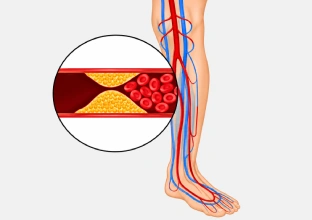
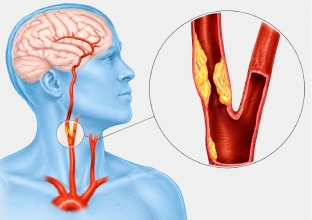
Peripheral Artery Disease is a circulatory condition in which narrowed or blocked arteries reduce blood flow to the limbs, most commonly the legs. It develops when fatty deposits (plaque) build up along artery walls, a process called atherosclerosis, gradually restricting the amount of oxygen-rich blood that reaches leg muscles and tissues.
PAD is considered part of the broader family of atherosclerotic vascular diseases, which also includes coronary artery disease and carotid artery disease. Because the same underlying process can affect arteries throughout the body, PAD is often viewed as a marker of overall cardiovascular risk, not just a leg problem.
The most recognizable symptom of PAD is leg pain or cramping during walking that eases with rest, known medically as intermittent claudication. However, many people with PAD have mild or no symptoms at all, which is why routine screening matters for at-risk individuals.
Common symptoms include:
Cramping, aching, or fatigue in the calf, thigh, or hip while walking
Leg pain that improves with rest
Numbness or weakness in the legs or feet
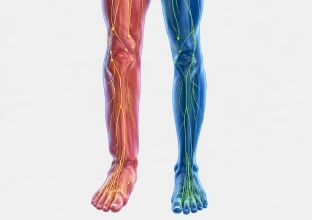
Coldness in the lower leg or foot compared to the other side
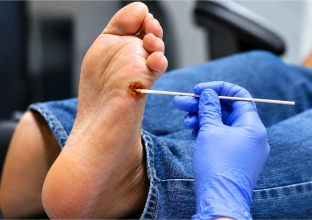
Sores or wounds on the toes or feet that heal slowly
Shiny skin or hair loss on the legs
Weak or absent pulses in the feet
As PAD progresses, some people experience pain even at rest, particularly at night, which is a sign that circulation has become significantly restricted.
Peripheral Artery Disease is primarily caused by atherosclerosis, the gradual buildup of plaque made of cholesterol, fatty substances, and other cellular material along artery walls. Over time, this buildup narrows the arteries and limits blood flow to the limbs.
Less commonly, PAD can result from:
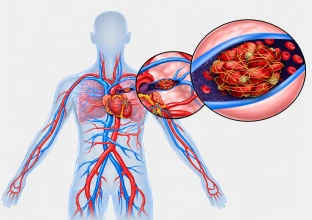
Blood clots that lodge in an artery
Inflammation of the blood vessels (vasculitis)
Radiation exposure
Injury to the limbs or arteries
Anatomical abnormalities in the muscles or ligaments
In the vast majority of cases seen in clinical practice, atherosclerosis remains the leading underlying cause.
Several factors increase the likelihood of developing PAD, many of which overlap with general cardiovascular risk factors.
Key risk factors include:
Smoking or tobacco use, one of the strongest contributing factors
Diabetes mellitus
High blood pressure (hypertension)
High cholesterol
Age above 50, with risk increasing further after 65
Obesity or a sedentary lifestyle
Family history of vascular or heart disease
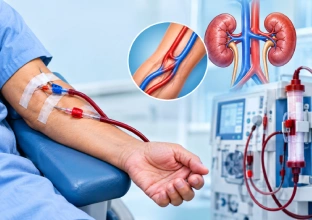
Vascular kidney disease
People with multiple risk factors, particularly smokers and those with diabetes, are encouraged to discuss PAD screening with a healthcare provider even before symptoms appear.
How Is Peripheral Artery Disease Diagnosed?
PAD is diagnosed through a combination of clinical evaluation and non-invasive vascular testing, most commonly starting with the Ankle-Brachial Index (ABI), which compares blood pressure in the ankle to blood pressure in the arm.
The diagnostic process typically involves:
Medical history and physical examination — reviewing symptoms, risk factors, and checking pulses in the legs and feet
Ankle-Brachial Index (ABI) — a simple, painless test that helps estimate blood flow
Doppler ultrasound — imaging that visualizes blood flow and identifies blockages
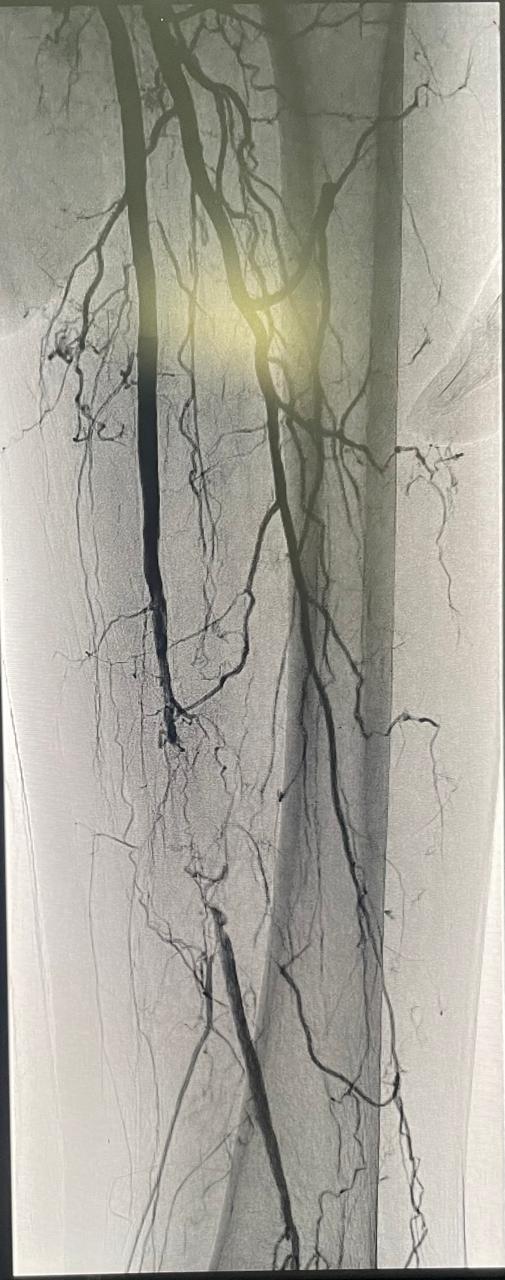
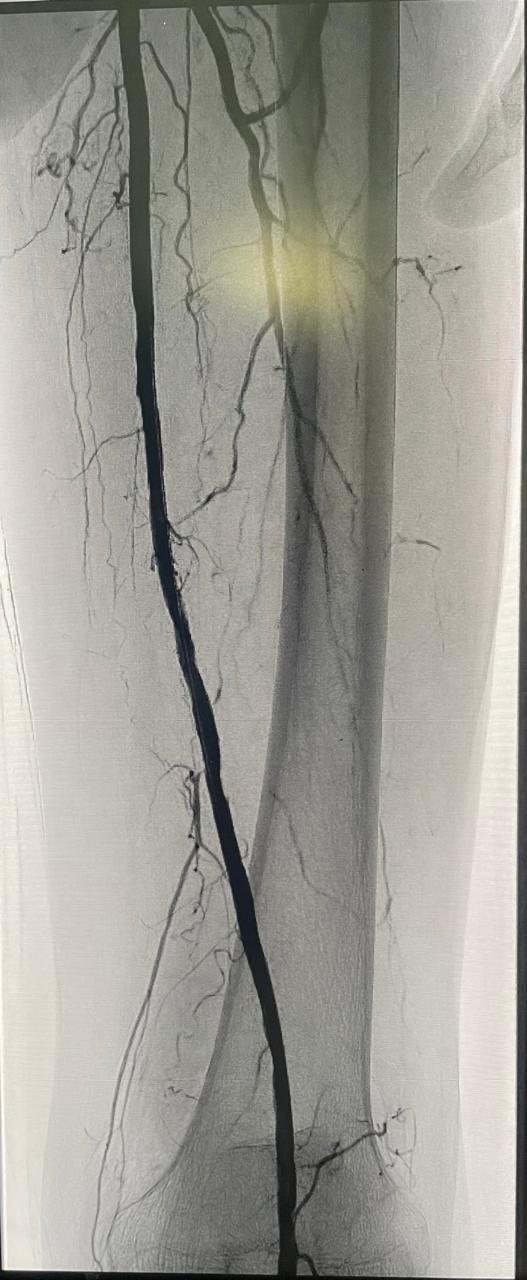
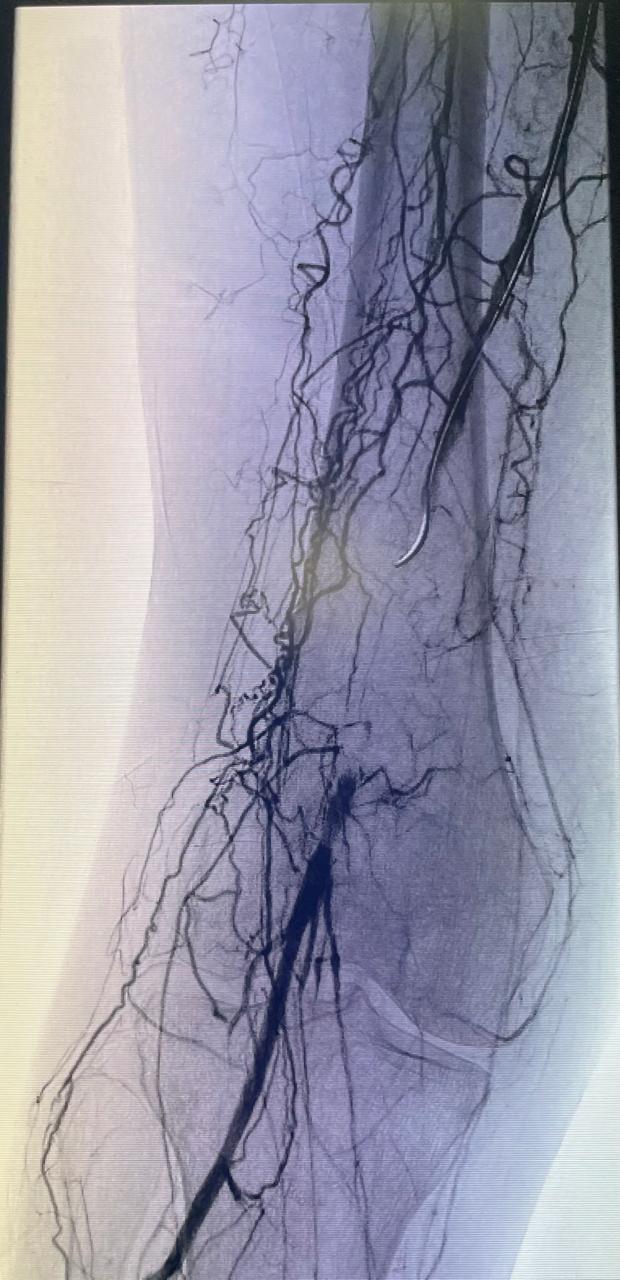
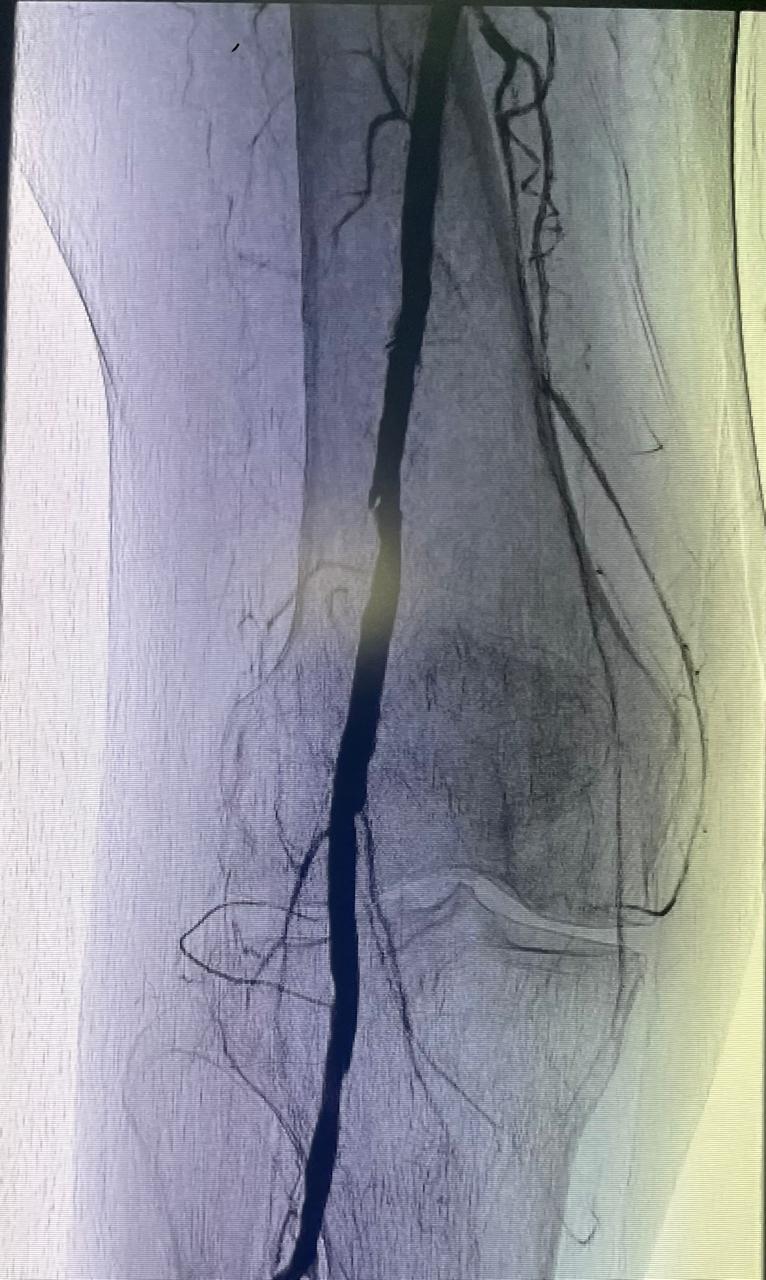
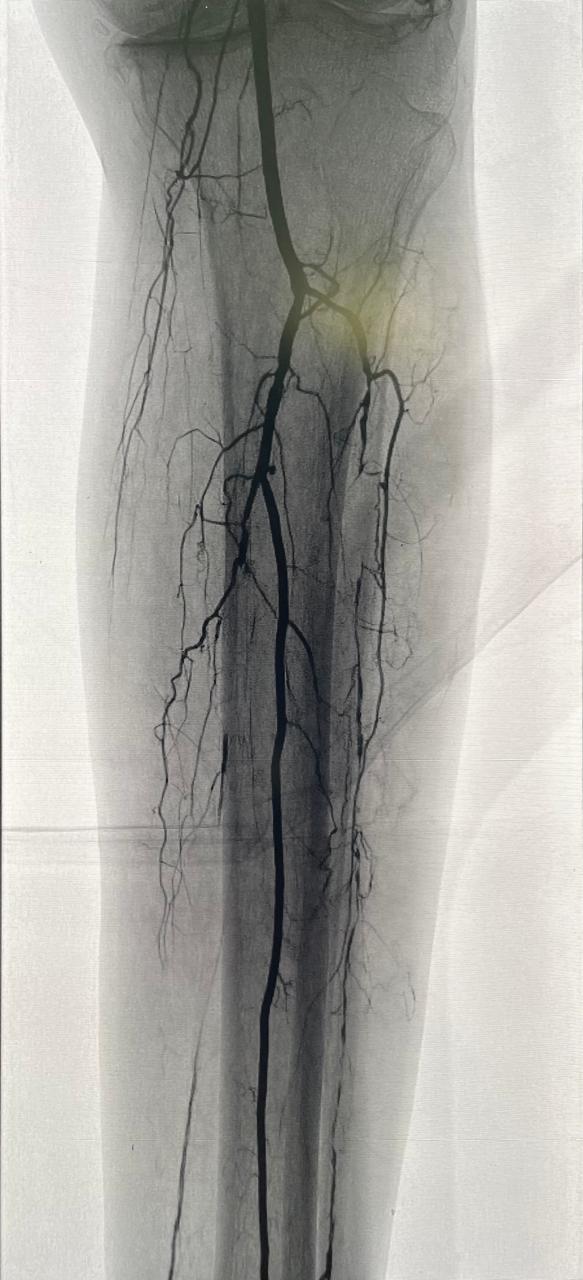
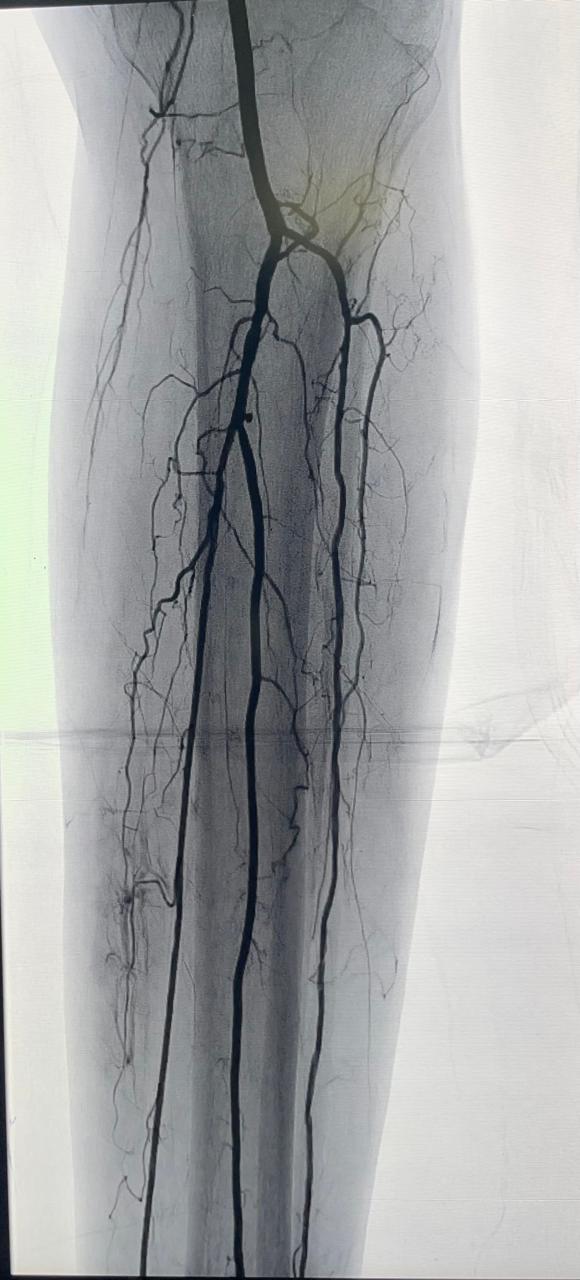
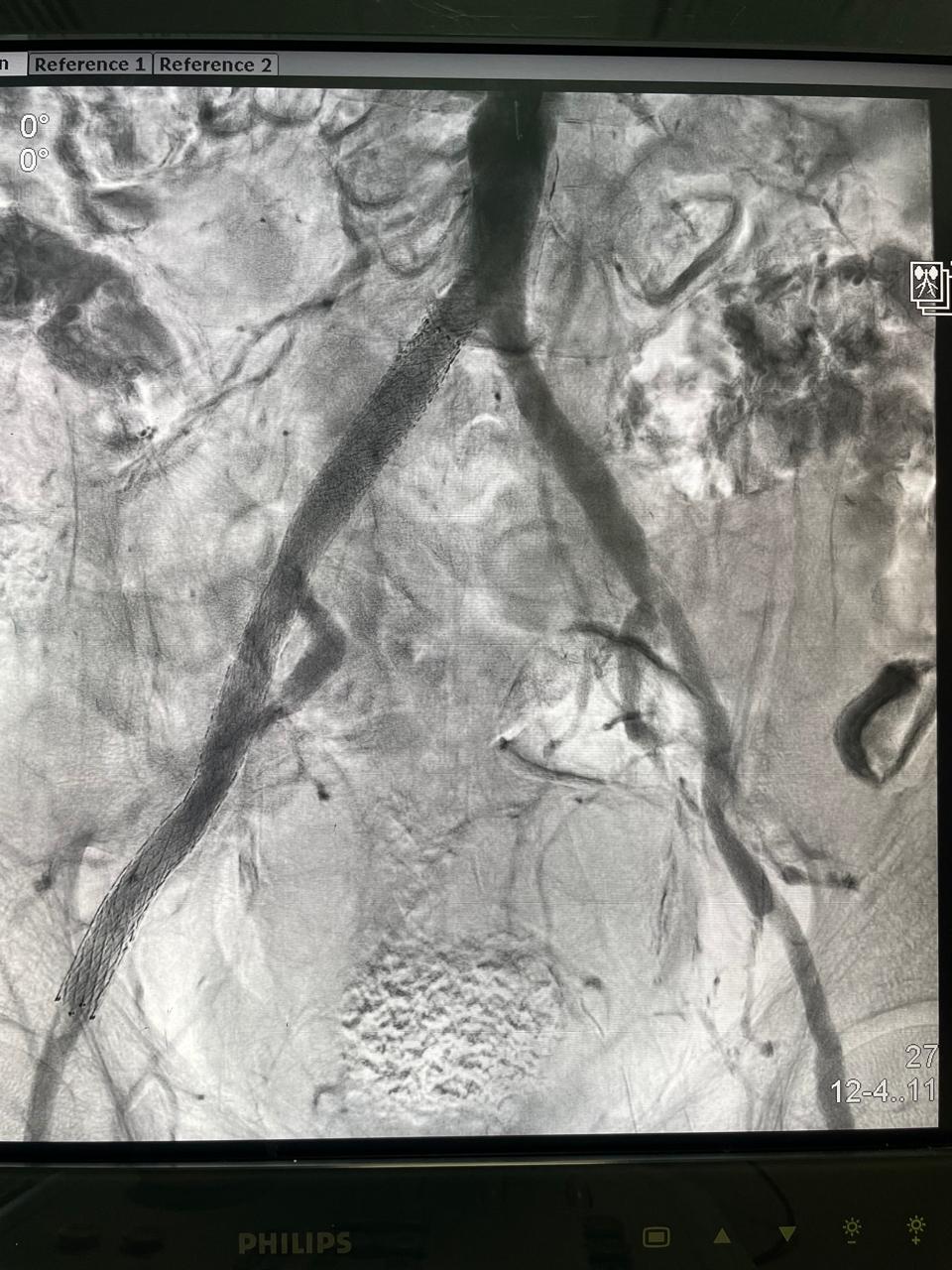
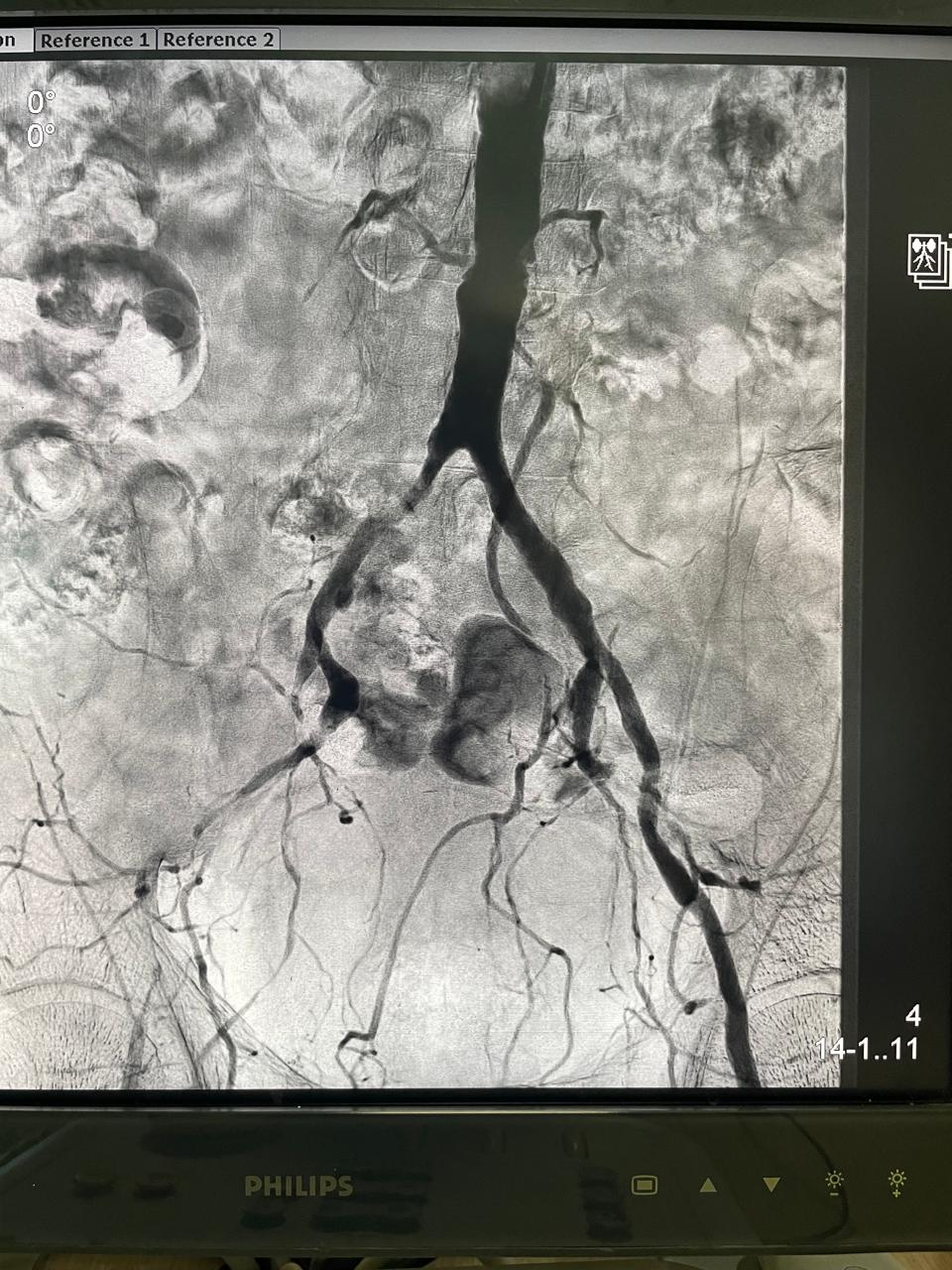
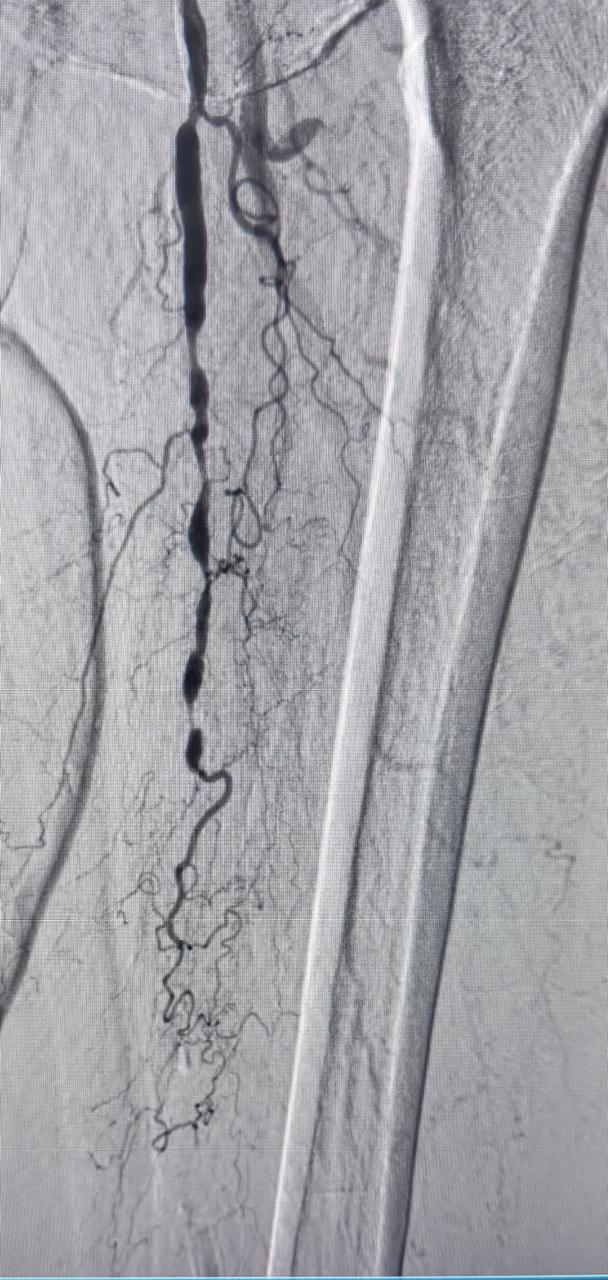
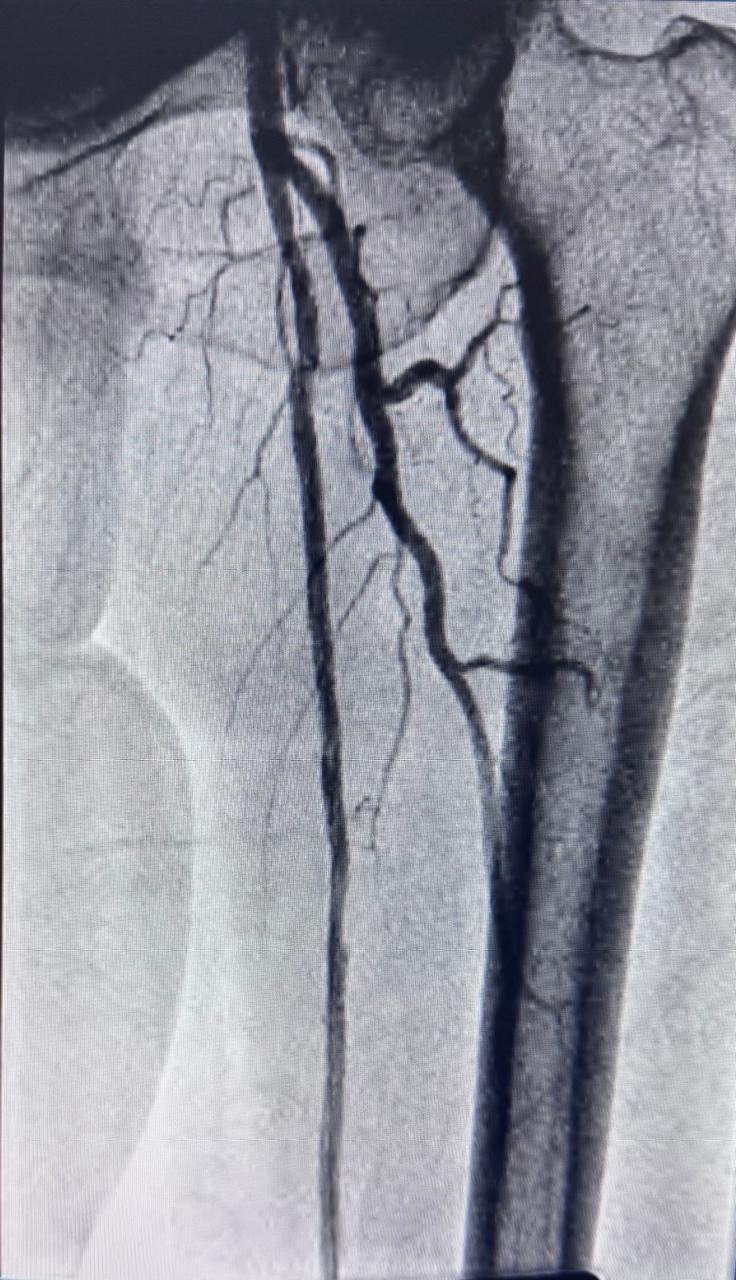
Angiography (CT, MR, or catheter-based) — used when more detailed mapping of the arteries is needed, often before a procedure
Blood tests — to evaluate cholesterol, blood sugar, and other related markers
The specific combination of tests depends on symptom severity and clinical judgment.
What Are the Treatment Options for Peripheral Artery Disease?
Treatment for Peripheral Artery Disease is tailored to the severity of the condition, the location of the blocked artery, and the patient's overall health. Most treatment plans start with conservative measures and escalate only when needed.
Lifestyle modification is usually the foundation of PAD management, including:
Smoking cessation
Regular walking or supervised exercise therapy
Heart-healthy diet
Weight management
Risk-factor management focuses on controlling underlying conditions such as diabetes, high blood pressure, and high cholesterol through monitoring and, where appropriate, medication.
Medicines, when prescribed by a physician, may include drugs to improve blood flow, reduce clotting risk, or manage cholesterol and blood pressure. Medication choices are individualized and should only be taken under medical supervision.
Exercise therapy, particularly structured or supervised walking programs, has been shown to improve walking distance and reduce claudication symptoms for many patients with mild to moderate PAD.
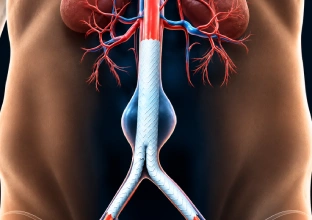
Endovascular procedures, such as angioplasty (widening a narrowed artery with a balloon) or stenting (placing a small mesh tube to keep the artery open), are minimally invasive options considered when blockages are significant and symptoms persist despite conservative treatment.
Surgical treatment, such as bypass surgery, may be considered in more advanced or complex cases where endovascular approaches are not suitable or have not been effective.
The right approach for any individual depends on factors including symptom severity, arterial location, extent of blockage, and overall health, and is best determined through consultation with a vascular specialist.
When Should You See a Doctor for Peripheral Artery Disease?
You should consult a doctor if you experience leg pain during walking that improves with rest, non-healing sores on your feet, persistent numbness, or unexplained coldness in one leg. These can be early signs of restricted blood flow that benefit from timely evaluation.
Seek prompt medical attention if you notice:
Sudden, severe leg pain or numbness
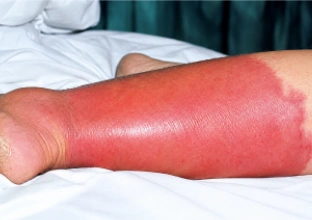
A leg or foot that appears pale, cold, or bluish
Wounds or ulcers that are not healing
Pain in the legs even while resting
Early evaluation allows for a broader range of treatment options and can help prevent complications such as non-healing wounds or, in advanced cases, tissue loss.
Peripheral Artery Disease Treatment in RTC Crossroads, Hyderabad
Residents of RTC Crossroads seeking care for Peripheral Artery Disease have access to Hyderabad's broader network of vascular and cardiovascular specialists, who can provide diagnostic testing and individualized treatment planning. Because PAD management ranges from lifestyle changes to specialized procedures, it's important to consult a qualified vascular specialist who can assess your specific condition, review your medical history, and recommend an appropriate course of action.
If you're located in or around RTC Crossroads and experiencing symptoms of PAD, a good starting point is a consultation with a vascular specialist or cardiologist who can perform an initial assessment, order relevant tests such as an ABI or Doppler ultrasound, and guide you toward the most suitable treatment pathway based on your individual findings. Treatment decisions should always be made in consultation with a healthcare professional rather than based on generalized information alone.
FAQ’s
Peripheral Artery Disease is a condition in which narrowed arteries reduce blood flow to the limbs, most commonly caused by plaque buildup (atherosclerosis) in the arteries of the legs.
Early symptoms often include leg cramping or fatigue while walking that improves with rest, along with occasional numbness or coldness in the lower leg or foot.
PAD is typically evaluated and treated by vascular specialists, vascular surgeons, or cardiologists with expertise in circulatory conditions.
PAD is diagnosed using a physical exam along with tests such as the Ankle-Brachial Index (ABI), Doppler ultrasound, or angiography to assess blood flow and locate blockages.
Yes, many cases of PAD are managed with lifestyle changes, risk-factor control, exercise therapy, and medication, especially when the condition is caught early. Surgery is generally reserved for more advanced cases.