Vascular Venous Insufficiency
VIDEO 01
Dedicated venous stent procedure in may thurners syndrome
Vascular Venous Insufficiency Treatment
Vascular Venous Insufficiency is a condition in which the veins in the legs have difficulty returning blood to the heart efficiently. It can cause leg swelling, heaviness, aching, skin changes, visible veins, and, in advanced cases, venous ulcers. Early evaluation and appropriate treatment can help manage symptoms and reduce the risk of complications.
For people looking for Vascular Venous Insufficiency Treatment in RTC Crossroads, understanding the symptoms, causes, diagnosis, and available treatment options can help them decide when to consult a vascular or vein specialist. Treatment is generally selected according to the severity of the condition, symptoms, circulation findings, and overall health.
What Is Vascular Venous Insufficiency?
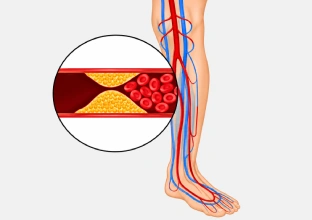
Vascular Venous Insufficiency is a long-term condition affecting the veins, most commonly in the legs. Healthy leg veins contain valves that help blood move upward toward the heart and prevent it from flowing backward.
When these valves do not work properly, blood can accumulate in the lower legs. This increased pressure within the veins is known as venous hypertension and may gradually cause swelling, discomfort, skin changes, and other symptoms.
CVI can range from mild symptoms to more advanced venous disease. A medical evaluation can help determine the underlying cause and appropriate management.
What Causes Vascular Venous Insufficiency?
CVI can develop when the valves or walls of the leg veins become damaged or weakened. Common causes and contributing factors include:
-
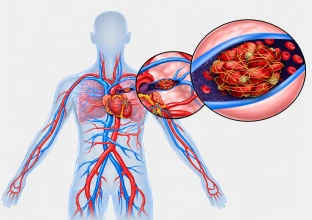
Previous deep vein thrombosis (DVT)
-
Varicose veins
-
Damage to the leg veins
-
Prolonged standing or sitting
-
Increasing age
-
Obesity or excess body weight
-
Pregnancy
-
Family history of venous disease
-
Limited physical activity
In some people, more than one factor contributes to the development of vascular venous insufficiency. Identifying the underlying cause is important when planning treatment.
What Are the Symptoms of Vascular Venous Insufficiency?
Symptoms can vary depending on the severity of venous disease. Common signs include:
-
Swelling around the ankles or lower legs
-
Aching or discomfort in the legs
-
A feeling of heaviness or tiredness
-
Leg cramps, particularly after prolonged standing
-
Itching or irritation of the skin
-
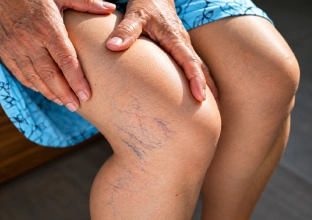
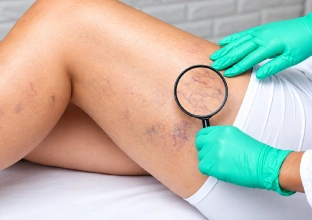
Varicose or spider veins
-
Changes in skin color or texture
-
Tight or thickened skin
-
Slow-healing wounds or venous ulcers
Symptoms may become more noticeable after standing or sitting for long periods and may improve when the legs are elevated.
Persistent swelling, skin changes, or wounds should be medically evaluated rather than treated only with home remedies.
Who Is at Risk of Developing Vascular Venous Insufficiency?
Several factors can increase the likelihood of developing CVI. People who spend many hours standing or sitting, have a history of blood clots, or have varicose veins may have a higher risk.
Other risk factors include:
-
Older age
-
Obesity
-
Pregnancy
-
Previous leg injuries or surgery
-
Family history of vein problems
-
Physical inactivity
-
A history of DVT
Having a risk factor does not necessarily mean a person will develop CVI. A healthcare professional can assess symptoms and circulation to determine whether further investigation is needed.
How Is Vascular Venous Insufficiency Diagnosed?
Diagnosis usually begins with a medical history and physical examination. A vascular or vein specialist may ask about swelling, pain, previous blood clots, varicose veins, medications, lifestyle, and how symptoms change throughout the day.
Duplex ultrasound is commonly used to evaluate blood flow through the leg veins. It can help identify abnormal backward blood flow, known as venous reflux, and can also help assess vein structure and possible blockages.
The findings from the examination and imaging help determine the severity and appropriate treatment approach.
When Does Vascular Venous Insufficiency Need Treatment?
Treatment may be recommended when CVI causes persistent or troublesome symptoms, progressive swelling, skin changes, recurrent varicose veins, or venous ulcers.
Early management may help control symptoms and prevent progression. More advanced disease may require procedures to address abnormal or refluxing veins.
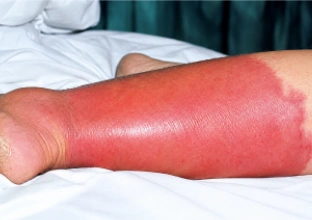
Sudden leg swelling, significant pain, warmth, redness, or shortness of breath requires prompt medical assessment because these symptoms can have causes that need urgent attention, including blood clots.
Vascular Venous Insufficiency Treatment Options
CVI treatment depends on the underlying vein problem and its severity. A specialist may recommend one or a combination of the following approaches.
Regular physical activity, particularly walking, can support the calf-muscle pump that helps move blood out of the legs. Maintaining a healthy weight, avoiding prolonged periods of standing or sitting, and elevating the legs when appropriate may also help manage symptoms.
Lifestyle measures are often used alongside medical treatment rather than as a replacement for evaluation when symptoms are significant.
Compression Therapy
Compression stockings or other compression garments can help reduce lower-leg swelling and improve venous blood flow.
The appropriate compression level and type should be selected based on the individual's condition. People with certain arterial circulation problems may require assessment before using compression therapy.
Medicines When Appropriate
Medicines are not required for every person with CVI. Depending on the individual's condition, a doctor may recommend medication for associated symptoms or other medical problems.
Medication should be used according to professional medical advice rather than self-medication.
Minimally Invasive Procedures
When abnormal venous reflux contributes significantly to symptoms, minimally invasive treatments may be considered.
Depending on the vein involved and the clinical findings, procedures can include:
-
Endovenous laser treatment (EVLT)
-
Radiofrequency ablation (RFA)
-
Sclerotherapy
-
Other catheter-based vein procedures
These treatments aim to close, treat, or redirect blood flow away from problematic veins so that circulation can use healthier veins.
Surgical Treatment When Required
Surgery is not necessary for every person with Vascular venous insufficiency. In selected cases, particularly when advanced venous disease or specific structural problems are present, surgical treatment may be considered.
The recommended procedure depends on the affected veins, severity of disease, previous treatments, and overall health.
When Should You Consult a Vascular or Vein Specialist?
Consider consulting a vascular or vein specialist if you experience persistent leg swelling, recurring leg pain or heaviness, prominent varicose veins, skin discoloration, or wounds that are slow to heal.
Professional evaluation is particularly important when symptoms are worsening or affecting daily activities. Early diagnosis can help identify venous reflux or other circulation problems and determine whether conservative care or an intervention may be appropriate.
Vascular Venous Insufficiency Treatment in RTC Crossroads, Hyderabad
People searching for Vascular Venous Insufficiency Treatment in RTC Crossroads, Hyderabad may be looking for convenient access to specialized evaluation and treatment for ongoing leg-vein symptoms.
A local vascular or vein consultation can include symptom assessment, physical examination, and, when indicated, venous duplex ultrasound. Based on the findings, the specialist can explain available treatment options and recommend an individualized management plan.
For patients in and around RTC Crossroads, areas such as Musheerabad, Himayatnagar, Ashok Nagar, Chikkadpally, and nearby parts of Hyderabad can access specialist consultation depending on the clinic location and availability.
Treatment should be based on a confirmed diagnosis rather than the presence of varicose veins or leg swelling alone, because similar symptoms can have different causes.
What to Expect During a CVI Consultation
During a vascular venous insufficiency consultation, the specialist generally reviews your symptoms, medical history, previous vein problems, medications, lifestyle, and relevant risk factors.
A physical examination may be performed to assess swelling, visible veins, skin changes, and other signs of venous disease. If required, a venous duplex ultrasound may be recommended to evaluate blood flow and identify venous reflux or obstruction.
After evaluation, the specialist can explain the findings and discuss appropriate options, which may include lifestyle measures, compression therapy, monitoring, medication when appropriate, minimally invasive procedures, or surgery in selected cases.
The goal is to identify the cause of the symptoms and provide treatment that is appropriate for the individual's condition.
Frequently Asked Questions
What is the best treatment for vascular venous insufficiency?
There is no single treatment that is appropriate for everyone. Treatment depends on the severity, symptoms, vein anatomy, and underlying cause. Options may include lifestyle changes, compression therapy, and procedures for problematic veins.
Can vascular venous insufficiency be cured?
CVI is generally considered a vascular condition, but its symptoms can often be managed. Treating underlying venous reflux or other contributing problems may significantly improve symptoms in appropriate patients.
Is compression therapy useful for CVI?
Compression therapy can help reduce swelling and support venous circulation in many people with CVI. The appropriate compression method should be determined with medical guidance, particularly if there are concerns about arterial circulation.
Does vascular venous insufficiency always require surgery?
No. Many people can manage symptoms with conservative measures, while selected patients may benefit from minimally invasive procedures. Surgery is generally considered only when clinically appropriate.
When should I see a vein specialist for leg swelling?
Persistent or recurring swelling, especially when accompanied by leg heaviness, pain, varicose veins, skin changes, or slow-healing wounds, should be evaluated by a healthcare professional.
How is CVI diagnosed?
A medical history and physical examination are usually followed by appropriate testing. Duplex ultrasound is commonly used to assess venous blood flow and identify problems such as venous reflux or obstruction.
Is vascular venous insufficiency related to varicose veins?
Yes. Varicose veins and vascular venous insufficiency can be related because both may involve malfunctioning vein valves and abnormal blood flow. However, having visible varicose veins does not by itself establish the severity or cause of CVI.