Cellulitis
Best Cellulitis Treatment
KM Vascular Clinic provides evaluation and treatment for cellulitis in RTC Crossroads, helping patients understand the cause, severity, and appropriate management of skin and soft-tissue infections. A bacterial infection that affects the skin's deeper layers and underlying tissues is called cellulitis. It may necessitate immediate medical attention and can result in redness, swelling, warmth, discomfort, and pain.
For patients searching for cellulitis treatment in RTC Crossroads, cellulitis doctor in Hyderabad, bacterial skin infection treatment, or leg cellulitis treatment, timely evaluation is important, particularly when symptoms are spreading or accompanied by fever.
What Is Cellulitis?
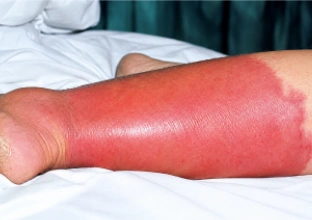
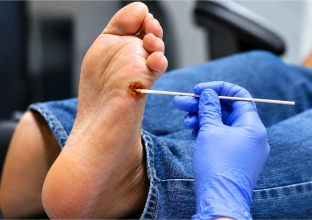
Cellulitis is a bacterial infection affecting the deeper layers of the skin, particularly the dermis and subcutaneous tissues. It commonly develops when bacteria enter the body through a break in the skin, such as a cut, wound, insect bite, ulcer, cracked skin, or surgical incision.
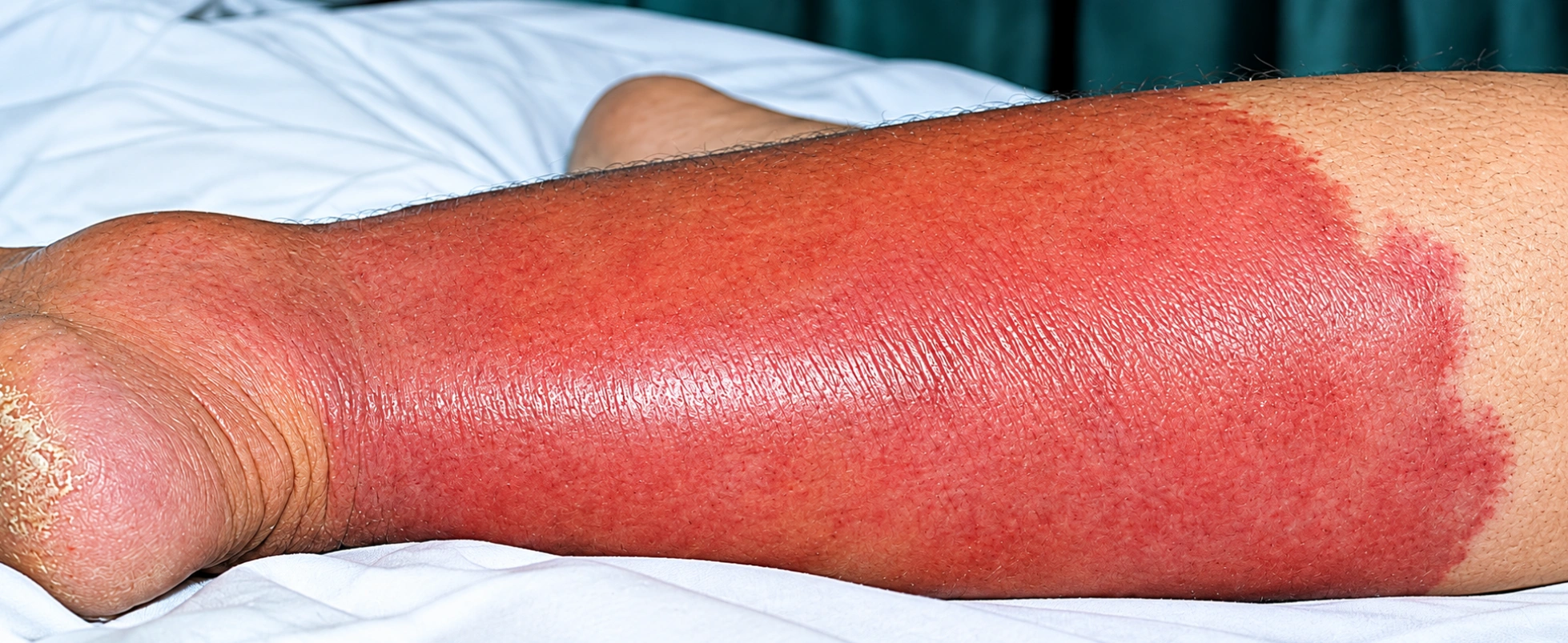
Cellulitis can occur on different parts of the body but frequently affects the legs and feet. Redness, swelling, warmth, soreness, and tenderness are some symptoms of an infection. In some cases, the redness can spread progressively.
Although cellulitis is generally treatable, untreated or severe infection can extend into deeper tissues or enter the bloodstream. Therefore, recognizing symptoms early and obtaining appropriate medical evaluation can help prevent complications.
What Causes Cellulitis?
Cellulitis is usually caused by bacteria entering through damaged or broken skin. Common bacteria associated with cellulitis include Streptococcus and Staphylococcus species.
Potential entry points include:
-
Cuts, scratches, and abrasions
-
Foot cracks or dry, broken skin
-
Insect bites
-
Burns
-
Surgical wounds
-
Leg ulcers
-
Skin conditions that cause breaks in the skin
-
Fungal infections between the toes
-
Puncture wounds
Certain underlying conditions can also increase susceptibility to cellulitis, including vascular swelling of the legs, poor circulation, diabetes, and conditions affecting the skin barrier.
What Are the Symptoms of Cellulitis?
Cellulitis symptoms can develop relatively quickly and may affect a localized area or progressively spread.
Common signs and symptoms include:
-
Red or discolored skin
-
Swelling around the affected area
-
Skin that feels warm to the touch
-
Tenderness or pain
-
Increased sensitivity
-
Tight or stretched skin
-
Fever or chills in some cases
-
General weakness or feeling unwell
-
Enlarged or tender nearby lymph nodes
The affected area may gradually become larger. A rapidly spreading area of redness, increasing pain, fever, or significant swelling should be medically assessed promptly.
Who Is at Higher Risk of Cellulitis?
Anyone can develop cellulitis, but certain factors can increase the risk. These include:
-
Diabetes
-
Vascular leg swelling or edema
-
Lymphedema
-
Poor circulation
-
Vascular venous insufficiency
-
Leg or foot ulcers
-
Fungal infections of the feet
-
Obesity
-
Previous episodes of cellulitis
-
Skin conditions that cause cracks or open areas
-
Recent surgery or injury
-
A weakened immune system
People with vascular conditions may need particular attention because swelling, venous disease, ulcers, and impaired tissue health can make skin infections more difficult to manage.
How Is Cellulitis Diagnosed?
Cellulitis is usually diagnosed through a clinical examination. A vascular specialist or other qualified healthcare professional examines the affected skin and assesses the location, extent, redness, swelling, warmth, tenderness, and other symptoms.
The doctor may ask about:
-
When the symptoms started
-
Whether the redness is spreading
-
Recent injuries or wounds
-
Previous cellulitis episodes
-
Existing vascular conditions
-
Diabetes or other medical conditions
-
Recent procedures or surgeries
-
Current medications
Additional tests may sometimes be recommended when the diagnosis is uncertain, the infection is severe, or another condition needs to be ruled out. Depending on the symptoms, investigations may include blood tests, wound cultures, imaging studies, or vascular assessment.
What Is the Treatment for Cellulitis?
Cellulitis treatment depends on the severity of the infection, its location, the patient's medical history, and the presence of complications.
Treatment may include:
-
Appropriate antibiotics when bacterial cellulitis is diagnosed
-
Wound care when an open wound or ulcer is present
-
Cleaning and protecting the affected area
-
Managing underlying leg swelling
-
Treating associated fungal infections
-
Managing diabetes and blood glucose when relevant
-
Addressing venous or vascular problems contributing to recurrent skin problems
-
Hospital-based treatment for severe infections when necessary
Antibiotics should be taken only as prescribed by a qualified healthcare professional. Patients should not self-medicate or stop prescribed antibiotics prematurely without medical advice.
For patients with recurrent cellulitis, identifying and addressing underlying factors such as vascular edema, venous insufficiency, skin breaks, or foot infections can be an important part of long-term management.
How Long Does Cellulitis Take to Improve?
The time required for cellulitis to improve varies according to the severity of the infection and the patient's overall health. Some patients begin noticing improvement after appropriate treatment, while more extensive infections may require longer.
Even when pain, redness, or swelling starts improving, the skin may take additional time to return to its normal appearance.
Patients should follow their prescribed treatment and monitor the affected area. If symptoms continue to worsen, redness keeps spreading, pain increases, or new symptoms develop, medical reassessment may be necessary.
Can Cellulitis Come Back?
Yes, cellulitis can recur. People who have previously experienced cellulitis may have an increased risk of developing another episode, particularly when underlying risk factors remain untreated.
Possible contributors to recurrent cellulitis include:
-
Vascular leg swelling
-
Lymphedema
-
Venous insufficiency
-
Recurrent foot infections
-
Skin cracks or ulcers
-
Diabetes
-
Persistent wounds
-
Previous cellulitis
Preventing recurrence involves protecting the skin, treating wounds promptly, controlling swelling, managing underlying medical conditions, and addressing contributing vascular or skin problems.
When Does Cellulitis Require Urgent Medical Attention?
Cellulitis should be assessed promptly when symptoms are rapidly progressing or severe.
Seek urgent medical attention if there is:
-
Rapidly spreading redness or swelling
-
Severe or rapidly increasing pain
-
High fever or chills
-
Significant weakness or confusion
-
Pus or extensive drainage
-
Skin discoloration or blistering
-
Streaks of red that stretch away from the affected area
-
Severe swelling
-
Infection involving the face or area around the eyes
-
Symptoms that are getting worse despite treatment
People with diabetes, significant vascular disease, vascular ulcers, or compromised immunity may require particularly careful assessment when they develop signs of skin infection.
How Can Cellulitis Be Prevented?
Several measures can help reduce the risk of cellulitis:
-
Keep the skin clean and moisturized.
-
Clean cuts and wounds promptly.
-
Cover open wounds with appropriate dressings.
-
Avoid scratching insect bites.
-
Treat fungal infections of the feet.
-
Keep toenails properly trimmed.
-
Protect the feet and legs from injuries.
-
Manage vascular leg swelling.
-
Follow treatment for venous insufficiency or lymphedema.
-
Keep diabetes under appropriate control.
-
Monitor existing ulcers and wounds.
-
Seek medical attention for signs of infection rather than delaying treatment.
People with repeated cellulitis episodes should discuss prevention strategies with their healthcare professional and investigate possible underlying causes.
Cellulitis Treatment at KM Vascular Clinic in RTC Crossroads
KM Vascular Clinic offers vascular evaluation for patients experiencing cellulitis, leg swelling, venous problems, ulcers, and related lower-limb conditions in RTC Crossroads and Hyderabad.
Because recurrent cellulitis may sometimes occur alongside vascular edema, venous insufficiency, ulcers, or other vascular problems, evaluating the underlying condition can be an important part of comprehensive care.
Patients experiencing persistent redness, swelling, warmth, tenderness, or recurrent skin infections can consult a qualified vascular specialist for appropriate evaluation and treatment planning.
Why Choose KM Vascular Clinic?
-
Evaluation of cellulitis and related lower-limb conditions
-
Assessment of vascular factors associated with recurrent leg problems
-
Evaluation of vascular leg swelling and venous conditions
-
Individualized treatment planning
-
Assessment of wounds and ulcers when clinically appropriate
-
Guidance on preventing recurrent infections
-
Convenient location for patients seeking vascular care in RTC Crossroads and Hyderabad
If you are experiencing symptoms suggestive of cellulitis, timely professional assessment can help determine the appropriate treatment and whether an underlying vascular or wound-related problem needs attention.
FAQ’s
1. What is cellulitis?
Cellulitis is a bacterial infection affecting the deeper layers of the skin and underlying tissues. It commonly causes redness, swelling, warmth, tenderness, and pain. Cellulitis can occur on the legs, feet, arms, face, or other parts of the body.
2. What causes cellulitis?
Cellulitis usually occurs when bacteria enter through a break in the skin. Cuts, wounds, insect bites, ulcers, cracked skin, burns, surgical wounds, and fungal infections can provide an entry point for bacteria.
3. What are the symptoms of cellulitis?
Common cellulitis symptoms include redness, swelling, warmth, tenderness, pain, and tight or stretched skin. Some people may also develop fever, chills, weakness, or swollen nearby lymph nodes.
4. Is cellulitis a bacterial infection?
Yes. Cellulitis is generally caused by bacteria, commonly species of Streptococcus and Staphylococcus. Treatment may involve antibiotics prescribed according to the clinical situation.
5. How is cellulitis diagnosed?
Cellulitis is usually diagnosed through a physical examination of the affected skin and a review of symptoms and medical history. Additional tests may be recommended when necessary to assess complications or rule out other conditions.
6. How is cellulitis treated?
Treatment depends on the severity and cause. Bacterial cellulitis may require prescribed antibiotics, along with wound care and management of contributing conditions such as swelling, ulcers, fungal infections, or vascular problems.
7. Do all cellulitis cases require antibiotics?
Because cellulitis is generally a bacterial infection, antibiotics are commonly used when cellulitis is diagnosed. However, the appropriate medicine, dose, route, and duration depend on the individual clinical situation. Treatment should be determined by a qualified healthcare professional rather than through self-medication.
8. How long does cellulitis take to improve?
The recovery period varies depending on the extent of infection, treatment, and the person's overall health. Symptoms may begin improving after appropriate treatment, but redness and swelling can take longer to completely resolve.
9. Can cellulitis come back?
Yes. Recurrent cellulitis can occur, particularly in people with vascular leg swelling, venous insufficiency, lymphedema, ulcers, diabetes, fungal foot infections, or previous episodes of cellulitis. Managing these contributing factors can help reduce recurrence risk.
10. What makes cellulitis worse?
Delaying treatment, allowing wounds to remain untreated, scratching or damaging infected skin, and leaving underlying conditions such as vascular swelling or ulcers unmanaged may contribute to worsening or recurrent problems. Rapidly spreading redness, increasing pain, fever, or significant swelling requires prompt medical evaluation.