Aortic Aneurysms
Vascular Surgeon For Aortic Aneurysms Treatment
A Vascular Surgeon For Aortic Aneurysms Treatment in RTC Cross Roads evaluates the location, size, growth, symptoms, and anatomy of an aortic aneurysm to determine appropriate monitoring or treatment. Depending on the patient's condition, management may include medical care, surveillance imaging, endovascular repair, or open surgery.
KM Vascular Clinic provides vascular evaluation and treatment planning for patients with aortic conditions in RTC Cross Roads.
What Is An Aortic Aneurysm?
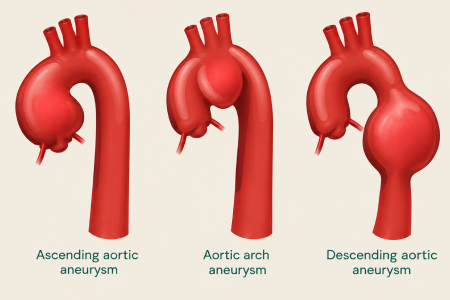
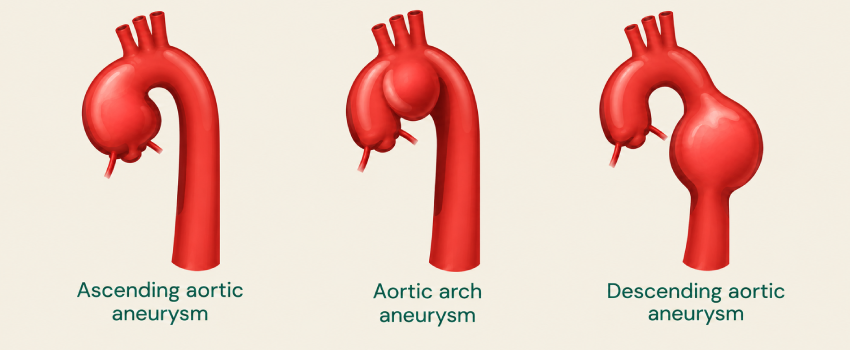
An abnormal expansion or bulging of a weak spot in the aorta wall is called an aortic aneurysm. Aneurysms can develop in the thoracic and abdominal sections of the aorta, among other places.
Some aneurysms may not cause noticeable symptoms and can be discovered during imaging performed for another medical reason. Others can produce symptoms depending on their location, size, and effect on surrounding structures.
Why Is Aortic Aneurysm Treatment Important?
Aortic aneurysm management aims to reduce the risk associated with aneurysm enlargement, rupture, dissection, or other complications. Treatment decisions are not based on size alone. Symptoms, growth rate, aneurysm location, anatomy, age, overall health, and other risk factors may influence the recommended approach.
The ACC/AHA guideline emphasizes appropriate imaging, surveillance, multidisciplinary evaluation, and individualized decisions for patients with aortic disease.
Key Features Of Aortic Aneurysm Treatment
Comprehensive Vascular Evaluation
A vascular surgeon evaluates the patient's medical history, symptoms, vascular condition, imaging findings, and relevant risk factors.
Aortic Imaging Assessment
Imaging such as CT, MRI, ultrasound, or echocardiography may be used according to the location and type of aneurysm and the clinical situation. Consistent imaging and measurement are important for monitoring changes over time.
Aneurysm Surveillance
Some aneurysms may be monitored with scheduled imaging rather than treated immediately. Surveillance intervals depend on aneurysm characteristics and the patient's individual risk profile.
Endovascular Treatment Planning
When suitable anatomy and clinical indications are present, an endovascular approach may be considered. EVAR and TEVAR are established endovascular approaches for selected abdominal and thoracic aortic conditions.
Open Surgical Repair
Open repair remains an important treatment option for selected patients. The appropriate approach depends on aneurysm characteristics, anatomy, patient factors, and the treating team's assessment.
Patients who undergo aortic intervention generally require appropriate follow-up and imaging surveillance. The exact schedule depends on the type of aneurysm and treatment performed.
Applications Of Aortic Aneurysm Treatment
Abdominal Aortic Aneurysm
Abdominal aortic aneurysms develop in the abdominal portion of the aorta and may require surveillance or repair depending on their characteristics.
Thoracic Aortic Aneurysm
Thoracic aneurysms involve the portion of the aorta within the chest. Management depends on the specific location, diameter, growth, symptoms, anatomy, and associated conditions.
Symptomatic Aortic Aneurysms
An aneurysm associated with concerning symptoms requires prompt medical assessment because symptoms can alter the urgency of treatment.
Enlarging Aortic Aneurysms
Aneurysm growth over time is an important factor in treatment planning. Rapid growth can influence decisions about intervention.
Aortic Aneurysms Requiring Endovascular Evaluation
Patients whose aneurysm characteristics meet treatment criteria may be evaluated for endovascular repair when the anatomy is suitable.
Aneurysms Requiring Open Repair
Some patients may require open surgical repair based on aneurysm location, anatomy, clinical condition, and suitability for other approaches.
Benefits Of Aortic Aneurysm Evaluation
-
Helps Identify the Location and Characteristics of an Aneurysm:
-
Supports Assessment of Aneurysm Growth:
-
Provides an Opportunity to Evaluate Symptoms and Risk Factors:
-
Helps Determine Appropriate Surveillance Requirements:
-
Allows Consideration of Endovascular Treatment When Clinically Suitable:
-
Provides an Option to Evaluate Open Surgical Repair When Indicated:
-
Supports Individualized Treatment Planning:
-
Enables Appropriate Postoperative Imaging and Follow-Up:
-
Helps Coordinate Vascular Care for Complex Aortic Conditions:
These are potential clinical benefits of appropriate evaluation and management and do not represent a guarantee of treatment outcomes.
Technical Specifications And Clinical Assessment Parameters
For an aortic aneurysm medical page, technical information should focus on clinical parameters rather than product specifications.
Aneurysm Parameters
Assessment may consider:
-
Aneurysm Location:
-
Maximum Aortic Diameter:
-
Aneurysm Morphology:
-
Growth Rate:
-
Presence of Symptoms:
-
Thrombus or Associated Vascular Findings:
-
Branch-Vessel Involvement:
-
Aortic Anatomy:
Imaging Parameters
Depending on the condition, clinicians may use:
-
Ultrasound:
-
CT Angiography:
-
Magnetic Resonance Imaging:
-
Echocardiography:
-
Doppler-Based Vascular Assessment Where Appropriate:
The ACC/AHA guideline emphasizes standardized acquisition, measurement, and reporting of CT, MRI, and echocardiographic imaging for aortic disease.
Endovascular Planning Parameters
When an endovascular procedure is being considered, assessment may include:
-
Aortic Diameter:
-
Aneurysm Morphology:
-
Proximal and Distal Landing Zones:
-
Iliac Artery Anatomy:
-
Access Vessel Suitability:
-
Branch-Vessel Anatomy:
-
Device Compatibility:
-
Contrast-Imaging Findings:
The final technical plan is determined by the treating vascular team after reviewing appropriate imaging.
How Is An Aortic Aneurysm Diagnosed?
Aortic aneurysms may be identified through physical examination, ultrasound, CT, MRI, echocardiography, or other appropriate imaging.
The selected test depends on the suspected aneurysm location and the clinical question. Imaging allows the medical team to assess the size, location, morphology, and other characteristics needed for treatment planning.
When Does An Aortic Aneurysm Need Treatment?
There is no single treatment threshold that applies to every aneurysm.
For example, the 2022 ACC/AHA guidance gives different recommendations depending on whether the aneurysm involves the abdominal aorta, ascending aorta, descending thoracic aorta, or another segment. Symptoms, growth rate, genetic conditions, family history, anatomy, and other factors can also influence treatment decisions.
Therefore, patients should not determine the need for surgery based only on a measurement found in an online article.
Endovascular Repair For Aortic Aneurysms
Endovascular procedures use a catheter-based approach to place a stent-graft or other endovascular device within the affected section of the aorta when the patient's anatomy and clinical condition are appropriate.
-
EVAR: Endovascular Aneurysm Repair is used for selected abdominal aortic aneurysms.
-
TEVAR: Thoracic Endovascular Aortic Repair is used for selected thoracic aortic conditions. The ACC/AHA guideline recommends TEVAR over open surgery for certain conditions descending thoracic aneurysms when intervention is indicated, and suitable anatomy is present in patients without certain heritable connective-tissue disorders.
Open Aortic Aneurysm Repair
Open repair involves surgical replacement or exclusion of the diseased section of the aorta using a graft.
The suitability of open surgery depends on the aneurysm's location and characteristics, the patient's overall condition, and the expertise and resources of the treating center. The 2024 ESVS guideline provides recommendations for open repair and endovascular management of abdominal aorto-iliac aneurysms.
What Happens During Aortic Aneurysm Consultation?
-
Step 1: Medical History: The vascular surgeon reviews symptoms, medical conditions, medications, family history, previous imaging, and relevant cardiovascular risk factors.
-
Step 2: Clinical Examination: A physical and vascular examination may be performed based on the patient's condition.
-
Step 3: Imaging Review: Existing ultrasound, CT, MRI, or other imaging is reviewed. Additional imaging may be recommended when required.
-
Step 4: Risk Assessment: The surgeon considers aneurysm size, location, growth, symptoms, anatomy, age, overall health, and other relevant factors.
-
Step 5: Treatment Planning: The options may include continued surveillance, medical management, endovascular repair, or open surgical repair depending on the individual case.
-
Step 6: Follow-Up: Patients under surveillance or following treatment require an appropriate follow-up plan. Imaging schedules vary according to the aneurysm and treatment approach.
Aortic Aneurysm Treatment in RTC Cross Roads
Patients searching for Aortic Aneurysm Treatment in RTC Cross Roads often need more than a single diagnostic test. A complete vascular evaluation can help determine the aneurysm's location, characteristics, progression, and possible treatment options.
KM Vascular Clinic can position its service around vascular consultation, diagnostic evaluation, treatment planning, endovascular assessment, and appropriate follow-up for patients with aortic aneurysms.
For local SEO, the clinic's page should clearly provide its verified doctor information, qualifications, clinic location, contact details, services, appointment process, and RTC Cross Roads service area.
Why Choose KM Vascular Clinic For Aortic Aneurysm Evaluation?
Patients considering vascular care should look for clear information about the treating specialist, relevant qualifications, diagnostic capabilities, treatment options, and follow-up services.
For KM Vascular Clinic, the page should clearly communicate:
-
Vascular Specialist Information:
-
Aortic Aneurysm Evaluation:
-
Diagnostic Imaging Coordination:
-
Endovascular Treatment Assessment:
-
Surgical Treatment Planning:
-
Post-Treatment Monitoring:
-
Patient-Specific Consultation:
-
RTC Cross Roads Location and Appointment Details:
Only verified clinic and doctor credentials should be added to the final published page.
Frequently Asked Questions
What Is The Best Treatment For An Aortic Aneurysm?
There is no single treatment that is best for every patient. Management may involve surveillance, medical management, endovascular repair, or open surgery depending on aneurysm characteristics and patient-specific factors.
Can An Aortic Aneurysm Be Treated Without Surgery?
Some aneurysms can be monitored with regular imaging and medical management when immediate repair is not indicated. The appropriate approach depends on aneurysm size, location, growth, symptoms, and other risk factors.
What Tests Are Used To Diagnose An Aortic Aneurysm?
Depending on the suspected location, clinicians may use ultrasound, CT, MRI, or echocardiography. The appropriate imaging method is selected according to the clinical situation.
Is EVAR Suitable For Every Aortic Aneurysm?
No. Endovascular repair requires suitable anatomy and appropriate clinical indications. Imaging is used to determine whether an endovascular approach is technically appropriate.
Does An Aortic Aneurysm Need Regular Monitoring?
Many aneurysms require surveillance when immediate intervention is not indicated. The frequency of imaging depends on the aneurysm's characteristics and the patient's clinical situation.
When Should Aortic Aneurysm Symptoms Be Treated As An Emergency?
Sudden severe chest, back, or abdominal pain, fainting, severe weakness, or other acute symptoms in someone with a known or suspected aortic aneurysm require urgent emergency medical assessment. A ruptured aneurysm or acute aortic syndrome can be life-threatening.
Conclusion
A Vascular Surgeon For Aortic Aneurysms Treatment in RTC Cross Roads evaluates the aneurysm's location, size, growth, symptoms, anatomy, and patient-specific risk factors before recommending an appropriate management strategy. Treatment may involve surveillance, medical management, endovascular repair, or open surgery.
KM Vascular Clinic can provide a locally relevant vascular-care pathway for patients seeking aortic aneurysm evaluation and treatment planning in RTC Cross Roads.