Dr Ajay B Mosur Vascular Surgeon in Secundrabad
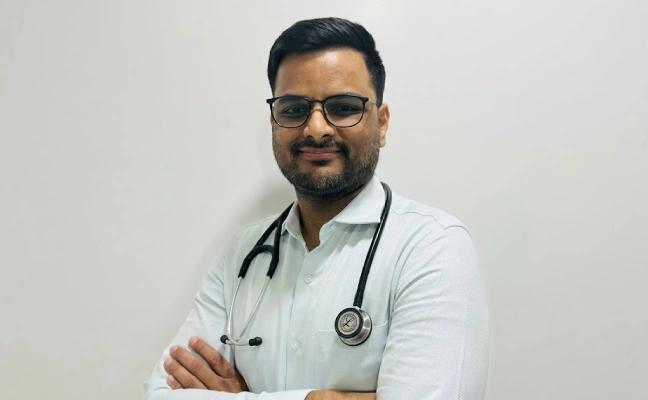
Looking for an Experienced Vascular Surgeon in Hyderabad? Heres Where to Consult Dr. Ajay B. Mosur
Vascular health is essential for maintaining proper blood circulation throughout the body. Conditions affecting arteries and veins can lead to leg pain, swelling, circulation problems, non-healing wounds, and other complications that may require specialist medical attention. A vascular surgeon evaluates these conditions and determines whether medication, lifestyle changes, minimally invasive procedures, or surgery may be appropriate.
Dr Ajay B Mosur Vascular Surgeon in Secundrabad , with qualifications in general surgery and specialised training in vascular surgery. His clinical work includes the evaluation and treatment of arterial diseases, venous disorders, diabetic foot complications, and dialysis access problems. Patients looking for vascular consultation can explore his professional profile and the services listed by KM Vascular Clinic through its official website.
Who Is Dr. Ajay B. Mosur?
Dr. Ajay B. Mosur is a medical specialist in vascular and endovascular surgery. His training includes general surgery followed by specialised training in vascular and endovascular procedures. These fields focus on diseases affecting blood vessels, including narrowed arteries, venous circulation problems, aneurysms, and conditions affecting blood supply to the limbs.
According to his professional profile, Dr Ajay B Mosur Vascular Surgeon in Secundrabad completed postgraduate training in general surgery before undertaking vascular surgery training at Kauvery Hospital in Chennai and Narayana Institute of Vascular Sciences in Bengaluru.
His listed areas of clinical practice include peripheral artery disease (PAD), varicose veins, deep vein thrombosis (DVT), carotid artery disease, diabetic foot complications, arteriovenous access procedures, and selected central venous conditions.
A vascular consultation generally involves understanding the patient's symptoms, reviewing medical history, examining circulation, and deciding whether further investigations are required. The treatment approach depends on the diagnosis, severity of the condition, and the patient's overall health.
What Are the Qualifications of Dr. Ajay B. Mosur?
The professional profile lists the following qualifications and training:
-
MBBS: Bachelor of Medicine and Bachelor of Surgery, completed at PSG Institute of Medical Science and Research, Coimbatore, from 2006 to 2012.
-
MS in General Surgery: Postgraduate surgical qualification completed at Mahatma Gandhi Medical College and Research Institute, Puducherry, from 2013 to 2016.
-
Vascular surgery training: Post-MS registrar training at Kauvery Hospital, Chennai, from 2017 to 2018.
-
DrNB in Vascular and Endovascular Surgery: Specialised training at Narayana Institute of Vascular Sciences, Narayana Hrudayalaya, Bengaluru, from 2018 to 2021.
-
BLS and ACLS certification: Training in basic life support and advanced cardiovascular life support is listed on his professional profile.
These qualifications reflect training in general surgical care and specialised management of vascular conditions. Vascular surgery may involve open operations, while endovascular treatment uses techniques such as catheters, balloons, and stents to treat selected blood vessel problems from within the vessel.
The official profile also lists professional publications relating to arterial disease and vascular complications. Patients should refer to the current professional profile for the complete and latest information.
What Conditions Does Dr. Ajay B. Mosur Treat?
Vascular specialists assess conditions that affect blood flow through the arteries and veins. The conditions below are among those described in Dr Ajay B Mosur Vascular Surgeon in Secundrabad professional profile and listed treatment information.
1. Varicose Veins
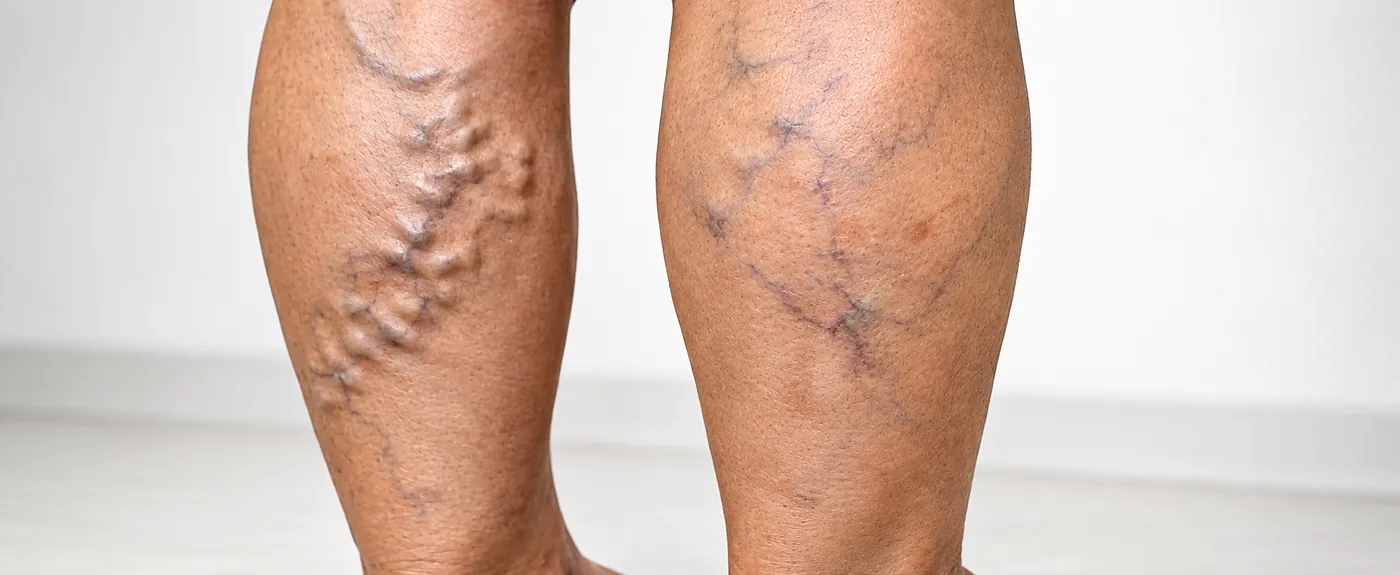
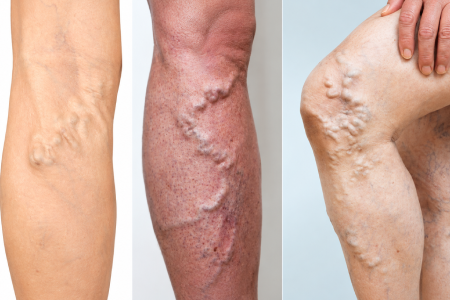
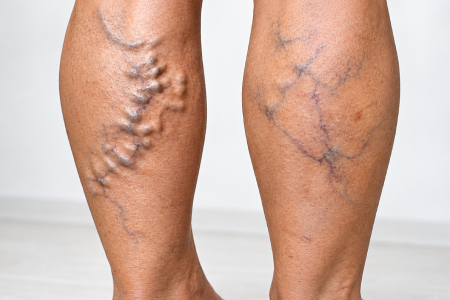
Varicose veins are enlarged, twisted veins that commonly develop in the legs when venous valves do not function properly. Symptoms may include visible veins, leg heaviness, aching, swelling, itching, and skin discolouration.
A vascular assessment can help determine the severity of venous disease and whether compression, lifestyle changes, or a vein procedure may be suitable.
2. Peripheral Artery Disease (PAD)
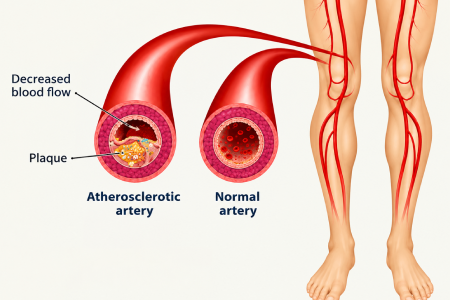
PAD occurs when the arteries that supply the legs narrow or become blocked, frequently due to atherosclerosis. Common symptoms include calf pain while walking, reduced walking distance, cold feet, and wounds that heal slowly.
A vascular surgeon may assess circulation and consider medication, risk-factor management, angioplasty, stenting, or bypass surgery according to the severity of the disease.
3. Vascular Venous Insufficiency
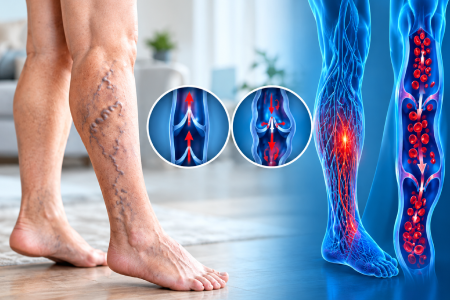
Vascular venous insufficiency occurs when blood does not return efficiently from the legs towards the heart. It can cause swelling, heaviness, skin changes, and venous ulcers around the lower legs or ankles.
Assessment helps identify the cause and determine appropriate treatment and follow-up.
4. Deep Vein Thrombosis (DVT)
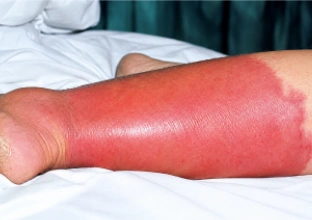
A blood clot in a deep vein, typically in the leg, causes DVT. Symptoms may include one-sided swelling, pain, tenderness, or warmth, although some cases have few symptoms.
Suspected DVT requires prompt medical evaluation because a clot can travel to the lungs and cause a potentially life-threatening pulmonary embolism.
5. Arterial Blockages
Arterial blockages reduce blood flow to organs or limbs. Depending on the location and severity, they can cause pain during activity, pain at rest, tissue damage, or sudden loss of circulation.
Treatment may involve medication, angioplasty, stenting, or open vascular surgery, depending on the clinical findings.
6. Diabetic Foot Ulcers and Vascular Foot Complications
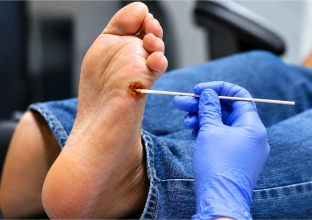
Diabetes can damage nerves and blood vessels, increasing the risk of unnoticed injuries, foot ulcers, infection, and delayed healing.
A vascular assessment can help determine whether reduced blood supply is contributing to a wound. Treatment may require wound care, pressure offloading, infection management, and restoration of blood flow when indicated.
7. Carotid Artery Disease
Carotid artery disease involves narrowing of the arteries supplying blood to the brain. It may increase the risk of stroke. Some people have no symptoms until a serious event occurs, while others experience warning signs such as temporary weakness, speech difficulties, or sudden vision loss.
Urgent assessment is necessary for possible stroke symptoms. Treatment for diagnosed carotid disease depends on the degree of narrowing and the patient's overall risk.
8. Arteriovenous Fistula Problems
An arteriovenous fistula connects an artery to a vein and is commonly created to provide access for haemodialysis. Problems may include narrowing, clotting, inadequate blood flow, or aneurysmal changes.
A vascular specialist may assess fistula function and consider creation, revision, or salvage procedures where appropriate.
9. Central Venous Obstruction
Central venous obstruction occurs when a major vein carrying blood towards the heart becomes narrowed or blocked. It may cause swelling of an arm, neck, or face, or problems with dialysis access.
Selected patients may require venous imaging followed by angioplasty or stenting when clinically indicated.
10. Vascular Aneurysms
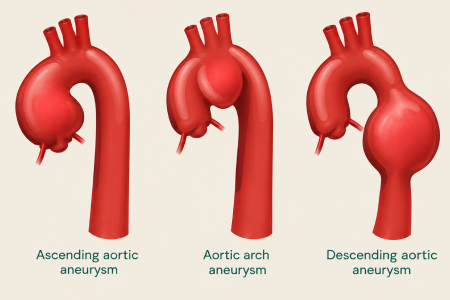
An aneurysm is an abnormal enlargement of a blood vessel caused by weakness in its wall. Aneurysms may develop in the aorta or other arteries and can become dangerous if they enlarge or rupture.
Management depends on the aneurysm's location, size, growth, and risk of rupture. Some require monitoring, while others need endovascular repair or open surgery.
What Vascular and Endovascular Treatments May Be Available?
Treatment depends on the patient's diagnosis, examination, investigation results, and overall health. Procedures listed in Dr. Ajay B. Mosur's professional treatment information include the following categories.
-
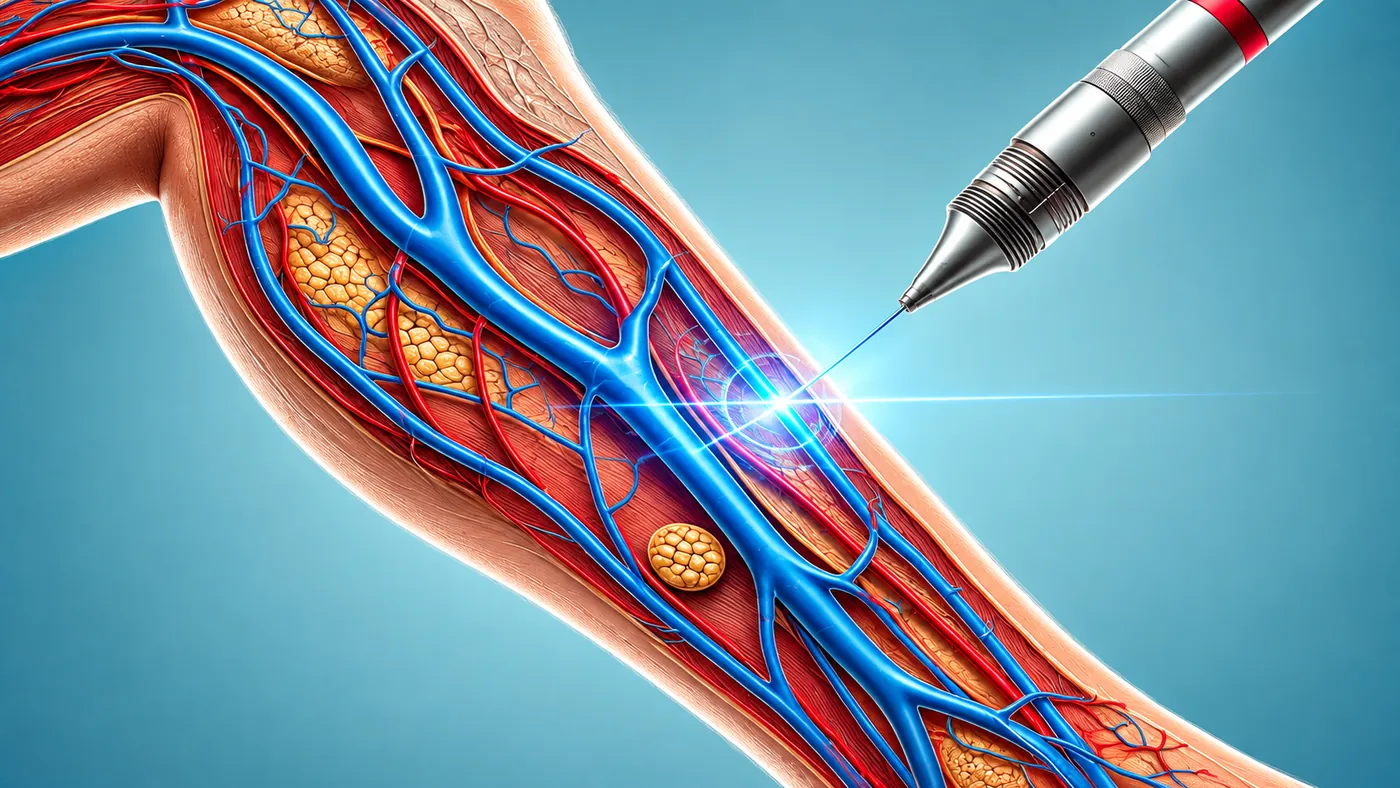
Varicose vein procedures: Endovenous laser ablation, radiofrequency ablation, ultrasound-guided foam sclerotherapy, and glue-based treatment for selected patients.
-
Peripheral angioplasty and stenting: A balloon catheter, sometimes followed by a stent, may be used to improve blood flow through selected narrowed arteries.
-
Arteriovenous fistula creation and salvage: Procedures may create dialysis access or address problems affecting an existing fistula.
-
Central vein angioplasty and stenting: Selected venous narrowings may be treated to improve blood flow or dialysis access.
-
Diabetic foot and vascular wound management: Assessment may identify poor circulation, pressure-related injury, or other factors requiring coordinated treatment.
-
Open vascular surgery: Procedures such as arterial bypass, embolectomy, carotid endarterectomy, and selected aneurysm repairs may be considered when indicated.
-
Deep venous interventions: Selected patients may require venous angioplasty, stenting, or other procedures for specific clot-related or obstructive conditions.
Not every patient requires surgery, and minimally invasive treatment is not appropriate for every vascular condition. A specialist should explain the expected benefits, risks, alternatives, and follow-up requirements before a procedure.
When Should You Consult a Vascular Surgeon in Hyderabad?
Consider a vascular consultation if you experience:
-
Persistent leg pain while walking or pain at rest.
-
Enlarged or twisted veins in the legs.
-
Recurrent leg swelling, heaviness, or skin discolouration.
-
A foot ulcer or wound that is not healing.
-
Unusual coldness, numbness, or colour changes in the feet.
-
Suspected circulation problems or diagnosed PAD.
-
Swelling that may indicate a blood clot.
-
Reduced blood flow or other concerns involving a dialysis fistula.
Emergency warning: Sudden severe limb pain, a suddenly cold or pale limb, or new loss of sensation or movement may indicate acute loss of circulation. Seek emergency medical care immediately rather than waiting for a routine appointment. Sudden facial weakness, arm weakness, or difficulty speaking also requires emergency assessment.
How Does a Vascular Surgeon Diagnose Vascular Conditions?
Diagnosis begins with a review of symptoms, medical history, diabetes status, smoking history, medications, and cardiovascular risk factors. The examination may include checking pulses, skin temperature, swelling, skin changes, and wounds.
Depending on the suspected condition, investigations may include:
-
Doppler ultrasound: Evaluates blood flow and can help identify venous reflux, blood clots, or arterial narrowing.
-
Ankle-brachial index (ABI): Compares ankle and arm blood pressure to assess possible PAD, although additional tests may be needed in some people with diabetes.
-
CT angiography or MR angiography: Provides detailed images of blood vessels when further anatomical assessment is necessary.
-
Catheter angiography or venography: May be used in selected cases to examine blood vessels in greater detail, sometimes as part of a planned intervention.
-
Blood tests: May help assess diabetes control, kidney function, and other factors relevant to treatment.
Not every patient needs every test. The symptoms, examination results, suspected diagnosis, and whether a procedure is being considered all influence the investigation plan.
Why Seek Vascular Consultation in Hyderabad?
Consulting an appropriately qualified vascular surgeon can help patients understand the cause of circulation symptoms and identify suitable treatment options. This is particularly important for people with diabetes, persistent leg swelling, suspected arterial disease, venous ulcers, or dialysis access complications.
Dr. Ajay B. Mosur's listed expertise covers arterial, venous, and endovascular conditions. KM Vascular Clinic's published information describes vascular care for conditions such as varicose veins, PAD, DVT, and diabetic foot complications.
Patients should confirm the current consultation location, availability, and services directly through the official website before visiting. For complex conditions, coordinated care with other relevant specialists may also be necessary.
How Do You Schedule a Consultation with Dr. Ajay B. Mosur?
To enquire about a vascular consultation, visit the official professional profile and use its appointment or contact options.
-
Doctor profile: Dr Ajay B Mosur Vascular Surgeon in Secundrabad – KM Vascular Care
-
Treatment information: Vascular and Endovascular Treatments
-
Appointment enquiry: KM Vascular Care official website
Provide your contact details through the official appointment form, where available, and explain the symptoms or condition for which you need an assessment. Ask the clinic to confirm the consultation location, appointment availability, and any preparation or reports required.
Frequently Asked Questions
Who is Dr. Ajay B. Mosur?
Dr. Ajay B. Mosur is a vascular and endovascular surgeon whose listed qualifications include MBBS, MS in General Surgery, and DrNB in Vascular Surgery.
Where can I consult Dr. Ajay B. Mosur in Hyderabad?
You can use his official professional profile and appointment links to confirm his current consultation location and availability in Hyderabad or Secunderabad.
What is the specialisation of Dr. Ajay B. Mosur?
His specialisation is vascular and endovascular surgery, covering conditions affecting arteries, veins, circulation, and selected dialysis access problems.
What conditions does a vascular surgeon treat?
Vascular surgeons evaluate conditions such as PAD, varicose veins, DVT, arterial blockages, carotid artery disease, aneurysms, and vascular complications associated with diabetic foot wounds.
Does a vascular surgeon treat varicose veins?
Yes. Vascular surgeons assess varicose veins and may recommend compression, lifestyle measures, endovenous ablation, sclerotherapy, or other treatments depending on the findings.
Can a vascular surgeon treat poor blood circulation in the legs?
Yes. A vascular surgeon can investigate reduced circulation and determine whether medication, risk-factor management, angioplasty, stenting, bypass surgery, or other treatment is appropriate.
When should I consult a vascular surgeon for a diabetic foot ulcer?
Seek prompt assessment for a new or non-healing foot ulcer, especially if you have diabetes, reduced sensation, cold feet, colour changes, or known PAD. Emergency symptoms require immediate care.
What is the difference between vascular surgery and endovascular treatment?
Vascular surgery can involve open operations to repair or bypass blood vessels. Endovascular treatment uses catheters and instruments inside blood vessels, often through a small access site. The condition determines which approach is best.
What tests may be needed during a vascular consultation?
Depending on the suspected problem, tests may include Doppler ultrasound, ABI, CT angiography, MR angiography, or catheter-based imaging. The clinician will determine which investigations are necessary.
How can I book an appointment with Dr. Ajay B. Mosur?
Visit the official doctor profile or clinic website and use the available appointment enquiry options. Confirm the current location, timing, and availability directly with the clinic.