Diabetic Foot Dressing Near Me Secunderabad
What Is Diabetic Foot Dressing and Why Is It Important for People With Diabetes?
When diabetics sustain cuts, blisters, ulcers, or other foot injuries, diabetic foot dressing is a crucial component of wound care. Because diabetes can affect nerve sensation and blood circulation, even a small wound may become a serious concern if it is not recognised and treated promptly. Proper wound care promotes the body's healing process, controls drainage, and protects the injured area.
People searching for Diabetic Foot Dressing Near Me Secunderabad should understand that effective treatment involves more than covering a wound. A healthcare professional may need to assess the wound, check for infection, evaluate blood circulation, and recommend pressure reduction or additional treatment. At KM Vascular Clinic, patients can enquire about appropriate vascular assessment and guidance for diabetic foot problems with Dr Ajay B. Mosur, subject to the clinic's available services.
What Is Diabetic Foot Dressing?
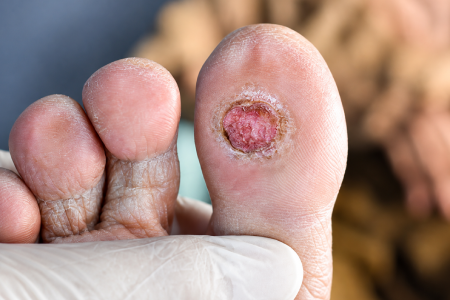
Diabetic foot dressing is the process of cleaning a foot wound and covering it with a suitable wound-care material. The dressing helps protect the wound from external contamination, manages excess fluid, and supports a suitable environment for healing.
The type of dressing depends on several factors, including the wound's size, depth, location, drainage, surrounding skin condition, infection status, and blood supply. Some wounds require a simple protective dressing, while others may need specialised wound-care products selected by a qualified healthcare professional.
Diabetic foot dressing should be considered part of a broader treatment plan rather than a complete solution by itself. The underlying causes of the wound must also be identified and managed.
Why Is Diabetic Foot Dressing Important for Diabetics?
Professional diabetic foot wound care helps clinicians protect the affected area and monitor changes throughout the healing process. Appropriate dressing can help:
-
Protect the wound: Reduce exposure to external contaminants and friction.
-
Manage wound drainage: Absorb excess fluid according to the wound's needs.
-
Support healing: Maintain an appropriate moisture balance without allowing excessive moisture to damage surrounding skin.
-
Protect nearby skin: Reduce the risk of skin maceration caused by uncontrolled wound fluid.
-
Monitor wound changes: Allow regular assessment of wound size, tissue condition, and drainage.
-
Identify complications: Help clinicians recognise possible infection or deterioration early.
However, a diabetic foot ulcer might not go away with just dressing. Treatment may also involve pressure offloading, infection management, blood glucose control, circulation assessment, and other interventions based on the patient's condition.
Why Do People With Diabetes Develop Foot Wounds?
Diabetic foot wounds can develop because diabetes may affect nerves, blood vessels, and the body's ability to respond to injury.
Peripheral neuropathy: The sensation of pain, heat, pressure, or minor injuries can be diminished by nerve damage. A blister or cut may therefore go unnoticed until the wound becomes larger.
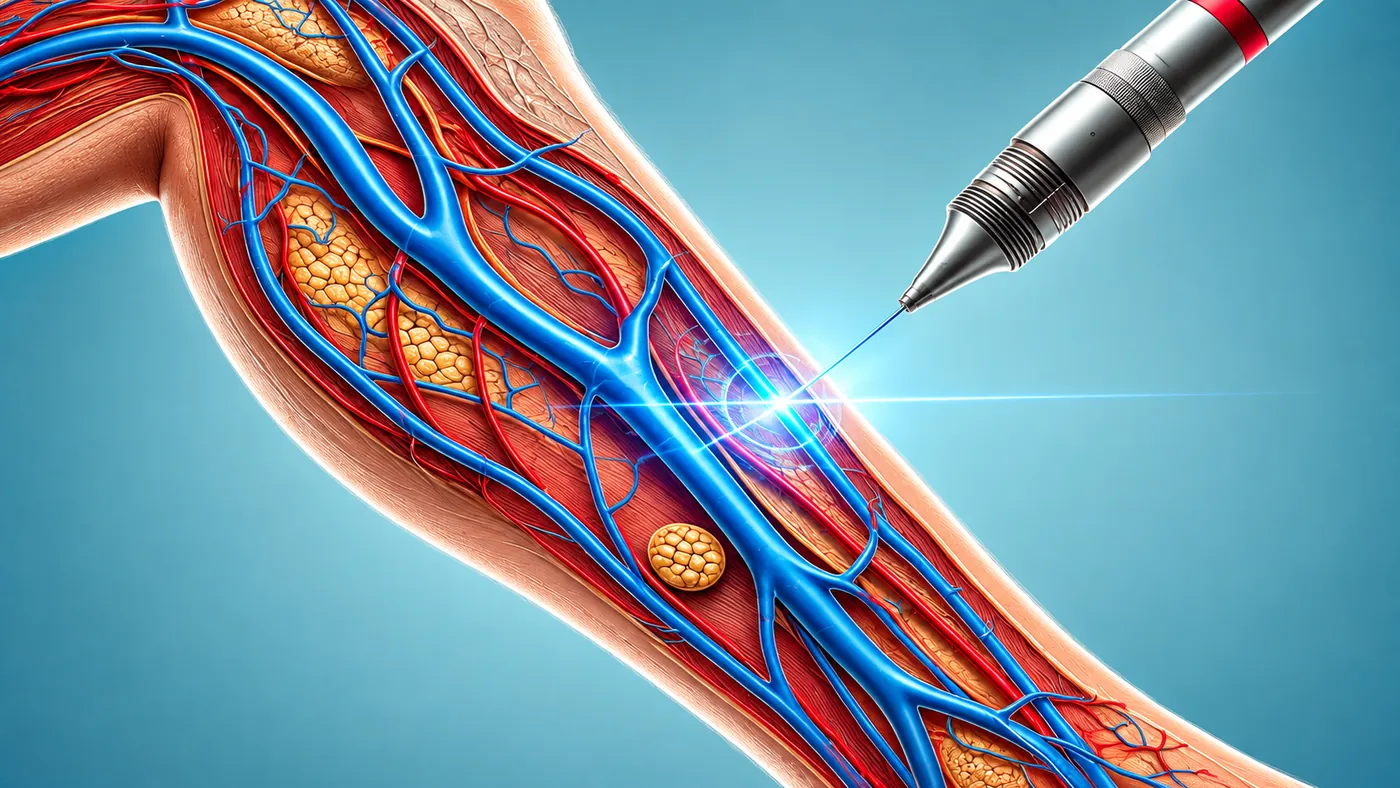
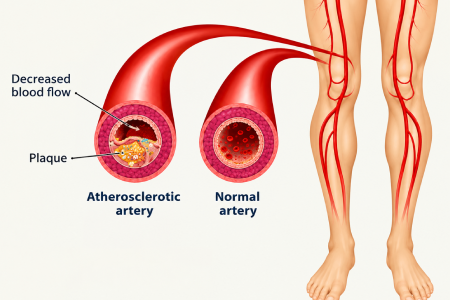
Poor blood circulation: Reduced blood flow can limit the delivery of oxygen and nutrients needed for tissue repair. People with peripheral artery disease may require a detailed vascular assessment.
Repeated pressure and friction: Tight footwear, poorly fitting shoes, and repetitive pressure during walking can cause blisters, calluses, and ulcers.
Minor injuries: Small cuts, burns, cracks, and puncture wounds can become serious when sensation or circulation is impaired.
Foot deformities: Foot shape changes may result in pressure points that raise the possibility of skin deterioration.
Delayed injury recognition: Because some people with diabetes experience reduced sensation, wounds may progress without causing significant pain.
Daily foot inspection is essential, even when the feet feel normal. Check the soles, heels, spaces between the toes, and areas around the nails. Use a mirror or ask for assistance if some areas are difficult to see.
How Is Diabetic Foot Dressing Performed?
The procedure depends on the wound's condition and should be guided by a qualified healthcare professional. A typical clinical process includes the following steps:
-
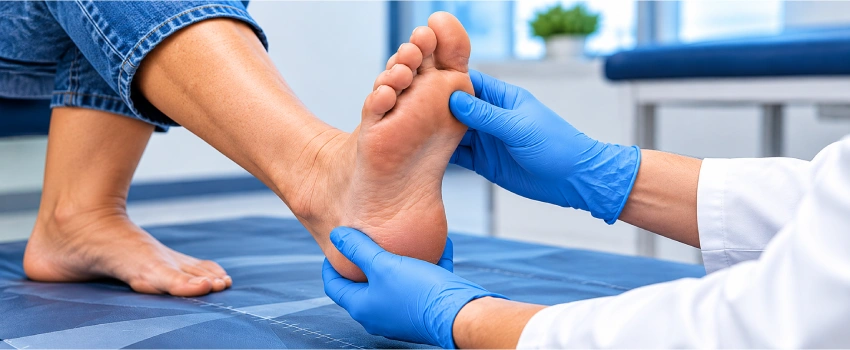
Wound assessment: Look at the location, size, depth, surrounding skin, and drainage of the wound.
-
Infection and circulation assessment: Look for signs of infection and evaluate whether poor blood supply could delay healing.
-
Wound cleaning: Clean the wound using an appropriate solution and technique recommended by the treating professional.
-
Removal of unhealthy tissue: Debridement may be considered when clinically indicated and should be performed by a trained professional after assessing circulation and other relevant factors.
-
Dressing selection: Select a dressing based on the depth, moisture content, and clinical needs of the wound.
-
Pressure reduction: Recommend suitable offloading measures when pressure or repetitive friction contributes to the ulcer.
-
Follow-up and reassessment: Record wound changes and adjust the treatment plan when necessary.
Patients should not attempt to cut away dead tissue, remove calluses, or use strong antiseptics or home remedies on diabetic foot wounds without professional guidance.
Which Dressings Are Used to Treat Diabetic Foot Ulcers?
For any Diabetic Foot Dressing Near Me Secunderabad, there is no one dressing that works well. The choice is determined by the characteristics of the wound and the treatment plan.
-
Non-adherent dressings: Help protect delicate wound tissue and reduce sticking during dressing changes.
-
Absorbent dressings: Help manage wounds that produce more fluid.
-
Foam dressings: May be suitable for managing drainage and providing cushioning where appropriate.
-
Alginate dressings: May be considered for selected wounds with moderate to heavy drainage, depending on the clinical assessment.
-
Specialised or antimicrobial dressings: May be appropriate in particular circumstances when recommended by a healthcare professional.
Dressing materials must be selected carefully. Antimicrobial or advanced dressings are not automatically necessary for every wound, and they do not replace appropriate infection treatment. Good wound care also includes protecting the surrounding skin, reducing pressure, and addressing any underlying circulation problems.
What Advantages Do Professional Diabetic Foot Wound Care Services Offer?
The treatment strategy can be modified as the wound evolves thanks to expert Diabetic Foot Dressing Near Me Secunderabad care. It might assist medical professionals in recognizing issues and addressing things that might impede healing.
Important aspects include:
-
Monitoring wound size, depth, drainage, and tissue changes.
-
Identifying possible infection and determining whether further treatment is needed.
-
Assessing blood circulation when poor perfusion is suspected.
-
Managing excess wound moisture and protecting surrounding skin.
-
lowering the impacted area's pressure by properly offloading.
-
Reviewing blood glucose management and other factors that may influence healing.
-
Arranging further medical or vascular evaluation when indicated.
For patients seeking diabetic foot care in Secunderabad, early assessment can help identify the treatment required for the individual wound. Healing time varies according to the wound's severity, blood supply, infection status, pressure on the foot, and overall health.
Professional care cannot guarantee healing or eliminate the risk of amputation, but timely assessment and appropriate treatment are important for managing diabetic foot complications.
What Are the Warning Signs of an Infected Diabetic Foot Wound?
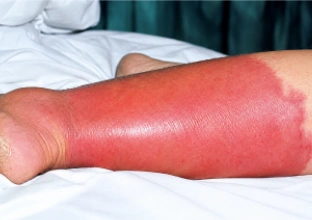
A diabetic foot wound requires prompt medical attention if it develops signs of infection or begins to worsen. Warning signs include:
-
Increasing redness or swelling around the wound.
-
Pus or unusual discharge.
-
An unpleasant or foul smell.
-
Increasing warmth or tenderness.
-
Fever or feeling generally unwell.
-
Blackened tissue or rapidly changing skin colour.
-
expanding the size of wounds or developing new skin breakdown areas.
Even if a diabetic foot wound is painless, it can still be dangerous. Neuropathy may reduce pain sensation, so the absence of pain does not rule out infection or poor circulation.
Seek urgent medical assessment for a new or worsening foot wound, particularly if you have diabetes and reduced sensation or known circulation problems. Rapidly spreading redness, blackened tissue, fever with worsening wound changes, confusion, or other signs of severe illness require emergency medical care. Do not delay treatment while trying different dressings or home remedies.
How Can Diabetes Patients Avoid Foot Ulcers?
Preventive foot care can help people identify issues early on and lower the chance of undetected injuries. Practical measures include:
-
Inspect your feet daily: Look for blisters, cuts, cracks, swelling, colour changes, and drainage.
-
Keep your feet clean and dry: Wash gently, dry carefully between the toes, and avoid leaving the skin persistently damp.
-
Wear well-fitting footwear: Choose shoes that reduce friction and pressure, and check inside them for objects before wearing them.
-
Avoid walking barefoot: Protect your feet indoors and outdoors.
-
Do not cut corns or calluses yourself: Consult a professional, particularly if circulation or sensation is diminished.
-
Avoid heat injuries: Do not use heating pads or hot water on numb feet. Check water temperature carefully.
-
Attend regular foot assessments: Follow the examination schedule recommended by your diabetes care team.
-
Manage blood glucose: Aim for the range recommended by your treating clinician.
-
Seek help promptly: Have new wounds, blisters, changes in foot colour, or unusual temperature differences assessed without delay.
People at increased risk may need more frequent foot examinations and specialised footwear or offloading advice.
Where Can You Seek Diabetic Foot Dressing in Secunderabad?
People looking for Diabetic Foot Dressing Near Me Secunderabad should seek a healthcare provider who can assess the wound and identify whether additional treatment is required. Diabetic foot care may involve wound management, diabetes care, infection assessment, and vascular evaluation, depending on the patient's condition.
KM Vascular Clinic, associated with Dr Ajay B. Mosur, is a relevant point of enquiry for patients seeking information about vascular assessment for diabetic foot problems. When arterial disease is suspected, a vascular evaluation may be crucial because decreased circulation can lead to vascular wounds and delayed healing.
Patients should contact KM Vascular Clinic directly to confirm whether diabetic foot dressing is available at the clinic or whether an appropriate wound-care referral is needed. Availability of specific dressing procedures and other wound-care services should be verified before visiting.
When arranging an appointment, ask whether the clinic can assess your wound, evaluate circulation, and coordinate further treatment if required. Bring your current medication list and relevant diabetes or vascular investigation reports, if available. Do not postpone urgent assessment while waiting for a routine appointment.
Frequently Asked Questions About Diabetic Foot Dressing
What is diabetic foot dressing?
Diabetic foot dressing involves cleaning and covering a foot wound with an appropriate dressing to protect the wound, manage drainage, and support healing. The dressing is selected according to the wound's condition and the patient's clinical needs.
Why is diabetic foot dressing important?
It helps protect the wound, control moisture, manage drainage, and support regular wound assessment. It also allows healthcare professionals to monitor possible complications. Additional treatment may be needed to address infection, pressure, or poor circulation.
How often should a diabetic foot dressing be changed?
The frequency depends on the wound, dressing type, drainage, and clinical condition. Observe the timetable that the treating physician suggests. A dressing that becomes wet, dirty, loose, or saturated may need earlier attention.
Can a diabetic foot ulcer heal with dressing alone?
Not always. Some ulcers require pressure offloading, infection treatment, improved blood glucose management, or treatment for poor circulation. The underlying cause must be assessed to develop an appropriate treatment plan.
Which dressing is best for a diabetic foot wound?
There is no universally best dressing. Non-adherent, absorbent, foam, alginate, or specialised dressings may be appropriate for different wounds. A healthcare professional should select the dressing after assessing the wound.
What are the signs of infection in a diabetic foot ulcer?
Warning signs include increasing redness, swelling, warmth, pus, unusual discharge, an unpleasant smell, fever, and worsening skin changes. Blackened tissue or rapidly spreading changes require urgent medical assessment. Even in cases of severe wounds, neuropathy can lessen pain.
Can I dress a diabetic foot wound at home?
Home dressing may be appropriate when a healthcare professional has assessed the wound and provided clear instructions. Avoid self-treatment of deep wounds, infected ulcers, or wounds associated with poor circulation. If you have a new or worsening foot wound, get medical help right away.
Why do diabetic foot wounds heal slowly?
Healing may be delayed by poor blood circulation, nerve damage, infection, repeated pressure, elevated blood glucose, and other health conditions. Identifying and managing these factors is an important part of treatment.
When should I consult a doctor for a diabetic foot wound?
Seek prompt medical assessment for any new ulcer, open wound, blister that breaks down, or unexplained change in foot colour or temperature. Seek emergency care for severe infection symptoms, rapidly spreading changes, or blackened tissue.
Where can I enquire about diabetic foot care in Secunderabad?
You can contact KM Vascular Clinic to enquire about diabetic foot assessment and vascular consultation with Dr Ajay B. Mosur. Confirm whether the clinic provides dressing services directly or can refer you to an appropriate wound-care provider.