Lymphedema
Lymphedema Treatment
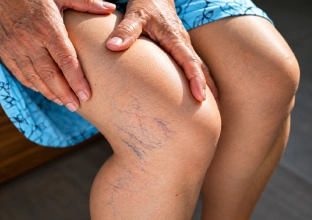
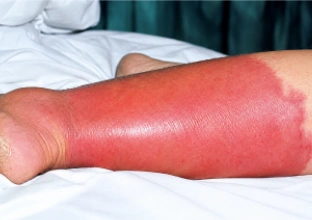
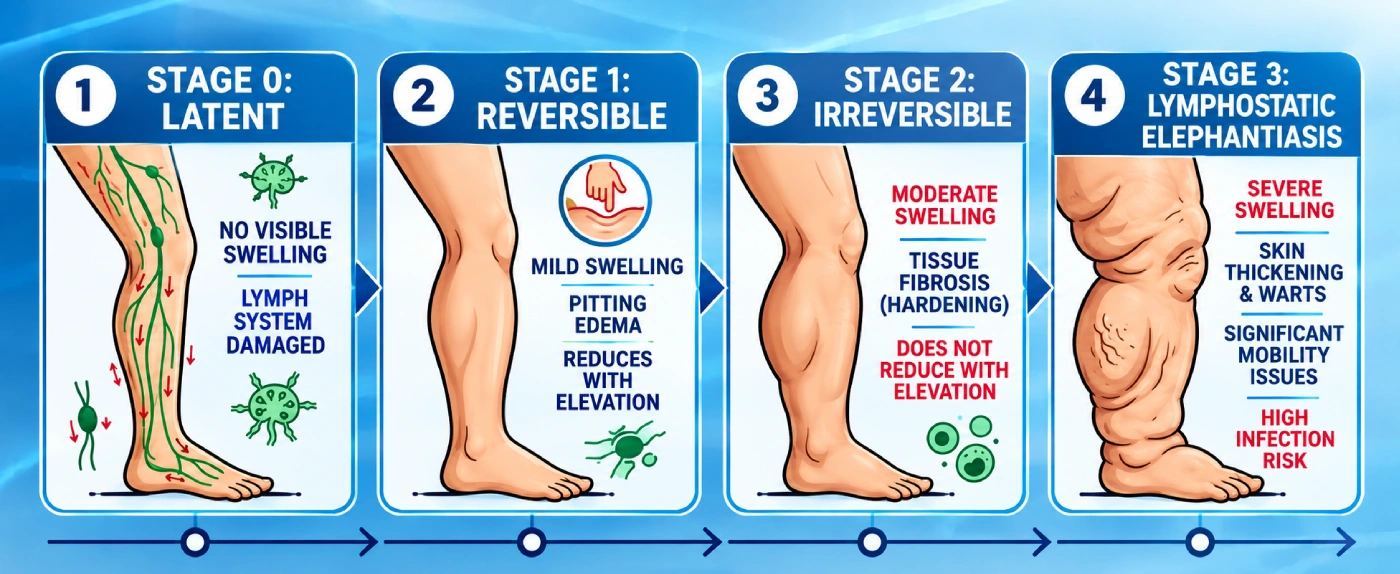
Swelling in the arm or leg that doesn't go down overnight is easy to dismiss as tiredness or a long day on your feet. When it lingers, tightens the skin, or keeps coming back, it usually points to a problem with the lymphatic system rather than simple fatigue. Left unmanaged, this fluid buildup can thicken the skin, restrict movement, and raise the risk of infection over time.
A structured, medically supervised approach makes the difference between symptoms that keep progressing and swelling that stays controlled. For residents searching for a Vascular Surgeon Near Me RTC X Roads, timely evaluation is the first step toward identifying whether the cause is a blocked lymph vessel, a vein problem, or a combination of both.
Purpose
Lymphedema treatment exists to move trapped fluid out of the tissue, prevent the swelling from becoming permanent, and stop the skin changes and infections that follow untreated cases. The goal isn't just to reduce the visible swelling for a day — it's to retrain fluid drainage so the improvement holds between sessions. Anyone dealing with limb swelling after surgery, radiation, an infection, or with no obvious cause at all benefits from an evaluation that pinpoints the underlying reason before starting therapy.
Key Features
Diagnostic Vascular Assessment
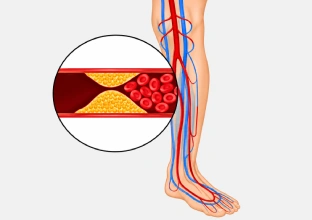
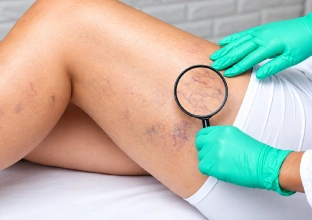
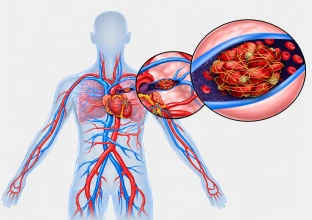
Before therapy begins, a vascular specialist checks whether the swelling is coming from the lymphatic system, the veins, or both. Duplex ultrasound and a physical limb assessment rule out clot-related or venous causes that need a different treatment path.
Manual Lymphatic Drainage (MLD)
A gentle, hands-on massage technique that redirects fluid away from congested areas toward lymph nodes that still drain normally. Sessions are tailored to the specific limb and stage of swelling.
Compression Therapy
Multi-layer bandaging during the intensive phase, followed by fitted compression garments for daily maintenance, keeps fluid from re-accumulating once it has been cleared.
Complete Decongestive Therapy (CDT)
The combined protocol — skin care, MLD, compression, and guided exercise — remains the internationally recognised standard for managing lymphedema without surgery.
Surgical Options for Advanced Cases
When conservative therapy plateaus, procedures such as lymphovenous bypass or vascularized lymph node transfer can be discussed for select patients under a vascular doctor's guidance.
Benefits
-
Noticeable reduction in limb size and heaviness within the first few sessions.
-
Lower risk of cellulitis and skin infections that come with long-standing swelling.
-
Improved joint mobility and comfort during daily activity.
-
A maintenance plan the patient can follow independently at home.
-
Early detection of vein-related causes that mimic or worsen lymphedema.
Care here starts with a proper diagnosis, not a generic compression wrap. Every patient searching for a Vascular Specialist Nearby RTC X Roads is examined by a specialist trained specifically in vascular and lymphatic conditions, so the treatment plan matches the actual cause of the swelling rather than just the symptom.
Therapy is adjusted stage by stage, follow-up is built into the plan, and patients are shown how to manage compression and skin care confidently on their own between visits. Convenient local access means consistency in therapy — which matters more for lymphedema outcomes than any single session.
Frequently Asked Questions
Is Lymphedema Treatment Painful?
No. Manual lymphatic drainage uses light, rhythmic pressure — it should never hurt. Some patients feel mild tightness from compression bandaging initially, which eases as the body adjusts.
How Quickly Will the Swelling Subside?
Many patients notice a visible reduction within the first one to two weeks of intensive therapy, though the full timeline depends on how long the swelling has been present and its underlying cause.
Can Lymphedema Be Cured Completely?
There is no permanent cure once the lymphatic pathways are damaged, but with consistent compression, drainage therapy, and skin care, swelling can be controlled effectively enough that it doesn't interfere with daily life.