Deep Vein Thrombosis (DVT)
VIDEO 01
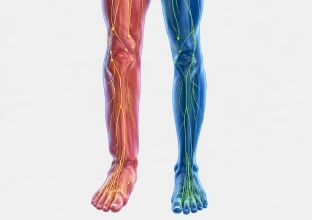
Before & After DVT
Deep Vein Thrombosis Treatment
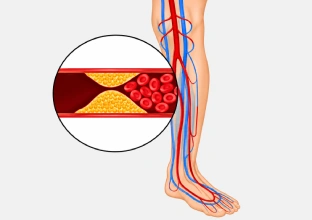
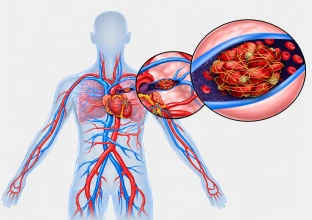
Deep Vein Thrombosis (DVT) is a condition in which a blood clot forms in a deep vein, most commonly in the leg. Because a clot can sometimes travel to the lungs and cause a potentially life-threatening pulmonary embolism (PE), timely medical evaluation is important.
For people looking for Deep Vein Thrombosis Treatment in RTC Crossroads, understanding the symptoms, causes, diagnostic tests, treatment options, and follow-up care can help you seek appropriate medical attention. Treatment is selected based on the location and extent of the clot, symptoms, medical history, bleeding risk, and other individual factors.
What Is Deep Vein Thrombosis?
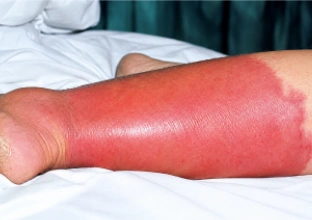
Deep Vein Thrombosis is the formation of a blood clot inside a deep vein, usually in the lower leg, thigh, or pelvis. DVT can also affect veins in the arms. Some people may have few or no noticeable symptoms, while others develop swelling, pain, warmth, or skin discoloration.
A DVT should not be diagnosed based on symptoms alone because several other conditions can cause similar leg swelling or pain. Medical assessment and appropriate testing are important when DVT is suspected.
What Causes Deep Vein Thrombosis?
DVT can develop when blood flow becomes slow or stagnant, the vein is injured, or the blood has an increased tendency to clot. Common contributing factors include:
-
Prolonged sitting or reduced movement
-
Recent surgery or hospitalization
-
Long-distance travel
-
Injury or trauma
-
Certain cancers or vascular medical conditions
-
Increasing age
-
Previous DVT or pulmonary embolism
-
Family history or inherited clotting disorders
-
Certain hormone-related factors
-
Obesity and other individual risk factors
The risk can increase when multiple factors occur together.
Who Is at Risk of Developing DVT?
DVT can occur in almost anyone, but the risk may be higher in people who have recently undergone surgery, experienced prolonged immobility, been hospitalized, travelled for long periods, or previously experienced a blood clot. Certain medical conditions, age-related factors, cancer, hormone exposure, and a family history of clotting disorders can also increase risk.
If you have several risk factors or develop unexplained swelling or pain in one leg, consult a healthcare professional promptly rather than attempting to self-diagnose.
What Are the Symptoms of Deep Vein Thrombosis?
Common DVT symptoms may include:
-
Swelling in one leg or arm
-
Pain or tenderness without an obvious injury
-
Warmth over the affected area
-
Redness or skin discoloration
-
A feeling of heaviness or discomfort in the affected limb
However, DVT does not always cause noticeable symptoms.
What Complications Can DVT Cause?
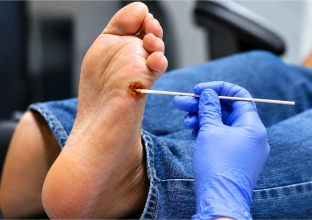
The most serious complication is pulmonary embolism, which occurs when part of a clot travels to the lungs. DVT can also contribute to long-term problems such as post-thrombotic syndrome, which may cause persistent swelling, pain, skin changes, or, in severe cases, ulcers.
Early assessment and appropriate treatment can help reduce the risk of serious complications.
How Is Deep Vein Thrombosis Diagnosed?
A doctor may assess your symptoms, medical history, risk factors, and physical findings before recommending diagnostic testing.
Duplex or Doppler ultrasound is the standard imaging test commonly used to identify a clot in the deep veins. A D-dimer blood test may also be used in appropriate patients as part of the diagnostic process. Other imaging methods may be considered in selected circumstances.
Because conditions such as muscle injury, cellulitis, and superficial vein inflammation can resemble DVT, professional evaluation is important.
Deep Vein Thrombosis Treatment Options
DVT treatment depends on the individual patient's condition. The goal is generally to prevent the clot from becoming larger, reduce the risk of additional clots, and prevent complications.
Anticoagulant Medicines
Anticoagulants, commonly called blood thinners, are frequently used to treat DVT. They reduce the blood's ability to form additional clots and help prevent an existing clot from growing while the body gradually breaks it down. Depending on the situation, treatment may involve injectable or oral anticoagulants.
Because anticoagulants can increase bleeding risk, they should be taken only as prescribed and monitored according to the treating doctor's instructions.
Compression Therapy When Appropriate
Graduated compression stockings may be recommended for selected patients to help manage swelling and discomfort or as part of an individualized recovery plan. They are not appropriate for everyone, so their use should be discussed with a healthcare professional.
Catheter-Based or Interventional Treatment for Selected Cases
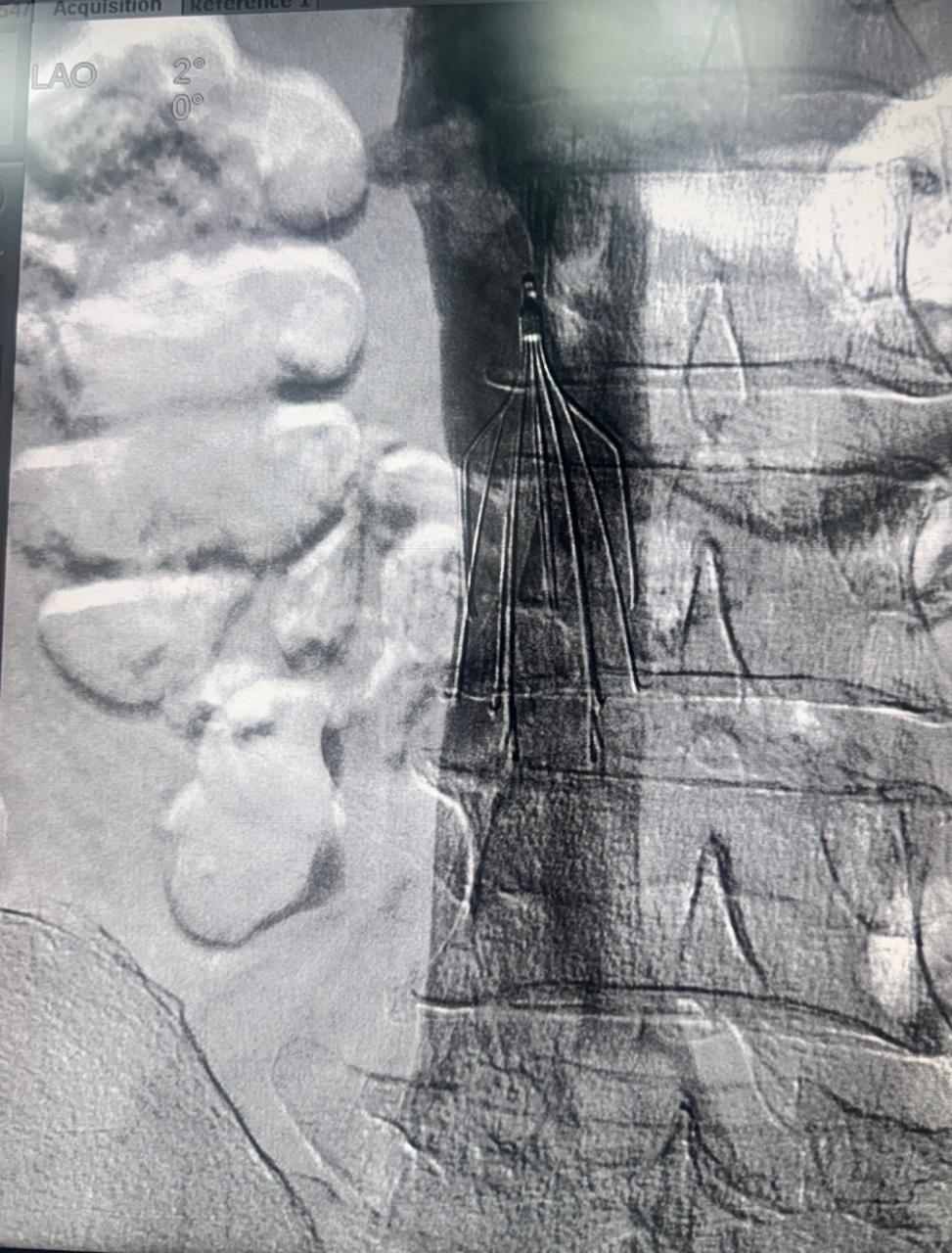
Some patients with extensive or severe clotting may be considered for catheter-based procedures. Depending on the clinical situation, a catheter may be used to deliver clot-dissolving medication or assist with clot removal. Such interventions are generally reserved for selected patients rather than routine DVT treatment.
Surgical Treatment in Specific Situations
Surgical or procedural clot removal may occasionally be required in severe or complicated cases. Treatment decisions depend on the clot's location, severity, symptoms, risk of complications, and whether medicines can be safely used.
How Long Does DVT Treatment Take?
The duration of DVT treatment varies from person to person. Anticoagulant treatment may continue for several months or longer depending on factors such as the cause of the clot, recurrence risk, medical history, and bleeding risk.
Your doctor should determine the appropriate treatment duration rather than stopping medication when symptoms improve.
What to Expect During DVT Treatment and Follow-Up
DVT management may include medication, monitoring, lifestyle guidance, and follow-up appointments. Your healthcare provider may review symptoms, medication response, possible bleeding, and whether additional testing or treatment is required.
Follow-up is particularly important if you experience persistent swelling, pain, skin changes, medication side effects, or new symptoms. Do not change or discontinue anticoagulant medication without medical advice.
How Can Deep Vein Thrombosis Be Prevented?
Some DVT risk factors cannot be avoided, but several measures can help reduce risk:
-
Stay physically active when medically appropriate.
-
Avoid sitting still for prolonged periods.
-
During long journeys, move your legs regularly and take walking breaks when possible.
-
Follow medical advice after surgery or hospitalization.
-
Discuss your individual clot risk before major surgery or prolonged travel.
-
Use prescribed compression stockings or preventive medication when recommended.
-
Maintain a healthy weight and active lifestyle where appropriate.
When Should You Consult a Vascular or Vein Specialist?
Consider prompt medical evaluation if you develop unexplained swelling, pain, tenderness, warmth, redness, or discoloration in one leg or arm—particularly if you have known risk factors for blood clots.
A vascular or vein specialist can evaluate your symptoms and determine whether diagnostic imaging such as venous Doppler ultrasound is appropriate.
Emergency Symptoms That Require Immediate Medical Attention
Seek emergency medical care immediately if you develop symptoms that may indicate pulmonary embolism, including:
-
Sudden or unexplained difficulty breathing
-
Chest pain, especially pain that worsens with deep breathing or coughing
-
Rapid or irregular heartbeat
-
Coughing up blood
-
Severe lightheadedness or fainting
A pulmonary embolism can be life-threatening and requires urgent assessment.
Deep Vein Thrombosis Treatment in RTC Crossroads, Hyderabad
If you are searching for Deep Vein Thrombosis Treatment in RTC Crossroads, Hyderabad, timely consultation is important when DVT symptoms or risk factors are present. A vascular or vein specialist can assess your symptoms, review your risk factors, recommend appropriate diagnostic testing, and develop a treatment plan based on your individual condition.
Treatment may involve anticoagulant medicines, compression therapy when appropriate, catheter-based interventions for selected cases, or surgical treatment in specific situations. The appropriate approach depends on the patient's clinical findings and should be determined by a qualified healthcare professional.
For patients in and around RTC Crossroads, seeking specialist evaluation can help ensure that suspected DVT is assessed promptly and managed according to established medical principles.
Frequently Asked Questions
What is the main treatment for DVT?
Anticoagulant medication is commonly used as the main treatment for DVT. The specific medicine and treatment duration depend on the patient's condition and medical history.
Can DVT go away on its own?
The body can gradually break down a blood clot, but suspected DVT should not simply be left untreated. Medical evaluation is important because DVT can progress or lead to pulmonary embolism.
Is DVT always painful?
No. Some people with DVT have no noticeable symptoms. Others may develop swelling, pain, tenderness, warmth, or skin discoloration.
How is DVT confirmed?
Duplex or Doppler ultrasound is commonly used to detect DVT. A D-dimer blood test may also be used in appropriate circumstances as part of the diagnostic assessment.
How long do blood thinners need to be taken for DVT?
Treatment can last several months or longer. The duration depends on factors including why the clot developed, recurrence risk, and individual bleeding risk.
How long do blood thinners need to be taken for DVT?
Treatment can last several months or longer. The duration depends on factors including why the clot developed, recurrence risk, and individual bleeding risk.
Can DVT cause a pulmonary embolism?
Yes. A portion of a DVT can break away and travel to the lungs, causing pulmonary embolism. Sudden breathing difficulty, chest pain, coughing blood, severe lightheadedness, or fainting require immediate medical attention.
Should I consult a vascular specialist for suspected DVT?
Yes, unexplained swelling, pain, warmth, redness, or discoloration in a limb—especially with DVT risk factors—warrants prompt medical evaluation. A specialist can determine whether further testing is needed.