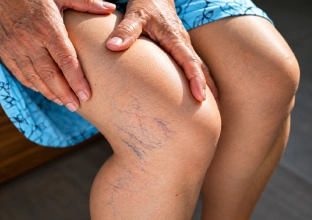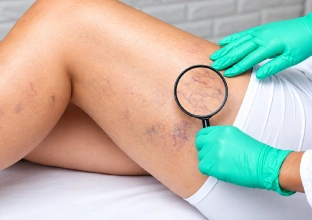
Varicose veins are enlarged, twisted veins that commonly appear on the legs and feet. They may cause visible bulging veins, heaviness, aching, swelling, itching, or discomfort, especially after prolonged standing or sitting. While mild varicose veins may not always require medical treatment, persistent symptoms or skin changes should be evaluated by a qualified vascular or vein specialist.
If you are searching for Varicose Veins Treatment in RTC Crossroads, Hyderabad, understanding the causes, symptoms, diagnosis, and available treatment options can help you take the right next step. Modern vein treatment ranges from lifestyle changes and compression therapy to minimally invasive procedures, depending on the severity and underlying cause of the condition.
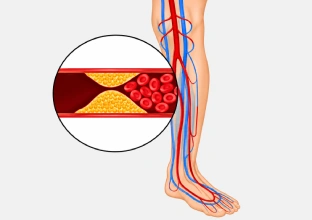
Varicose veins are veins that have become enlarged, swollen, and twisted because blood is not flowing efficiently back toward the heart. Healthy leg veins contain small valves that help prevent blood from flowing backward. When these valves become weak or damaged, blood can collect inside the veins, increasing pressure and causing them to enlarge.
Varicose veins most often develop in the legs because standing and walking place increased pressure on the veins of the lower limbs. They can range from small visible veins to larger, raised veins beneath the skin.
Varicose veins can develop when the valves inside the veins do not function properly. This can cause venous blood pooling, increased pressure, and enlargement of the affected veins.
Common factors associated with varicose veins include:
Weak or damaged vein valves
Family history of varicose veins
Prolonged standing or sitting
Increasing age
Pregnancy and hormonal changes
Overweight or obesity
Limited physical activity
Previous blood clots or vein problems
Jobs that require long periods of standing
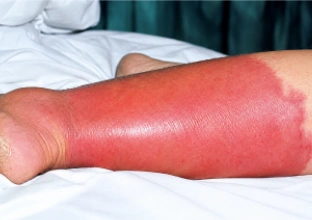
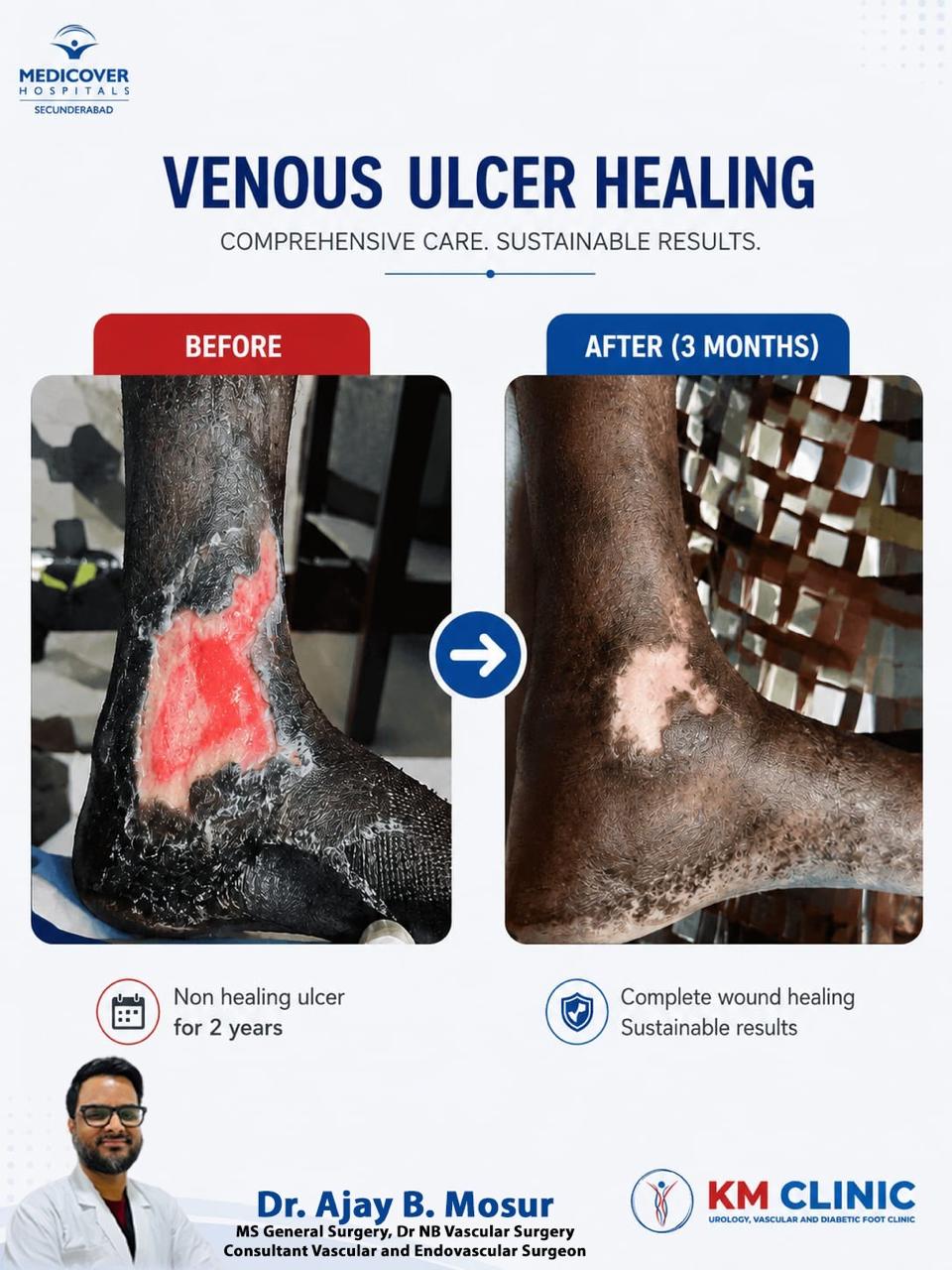
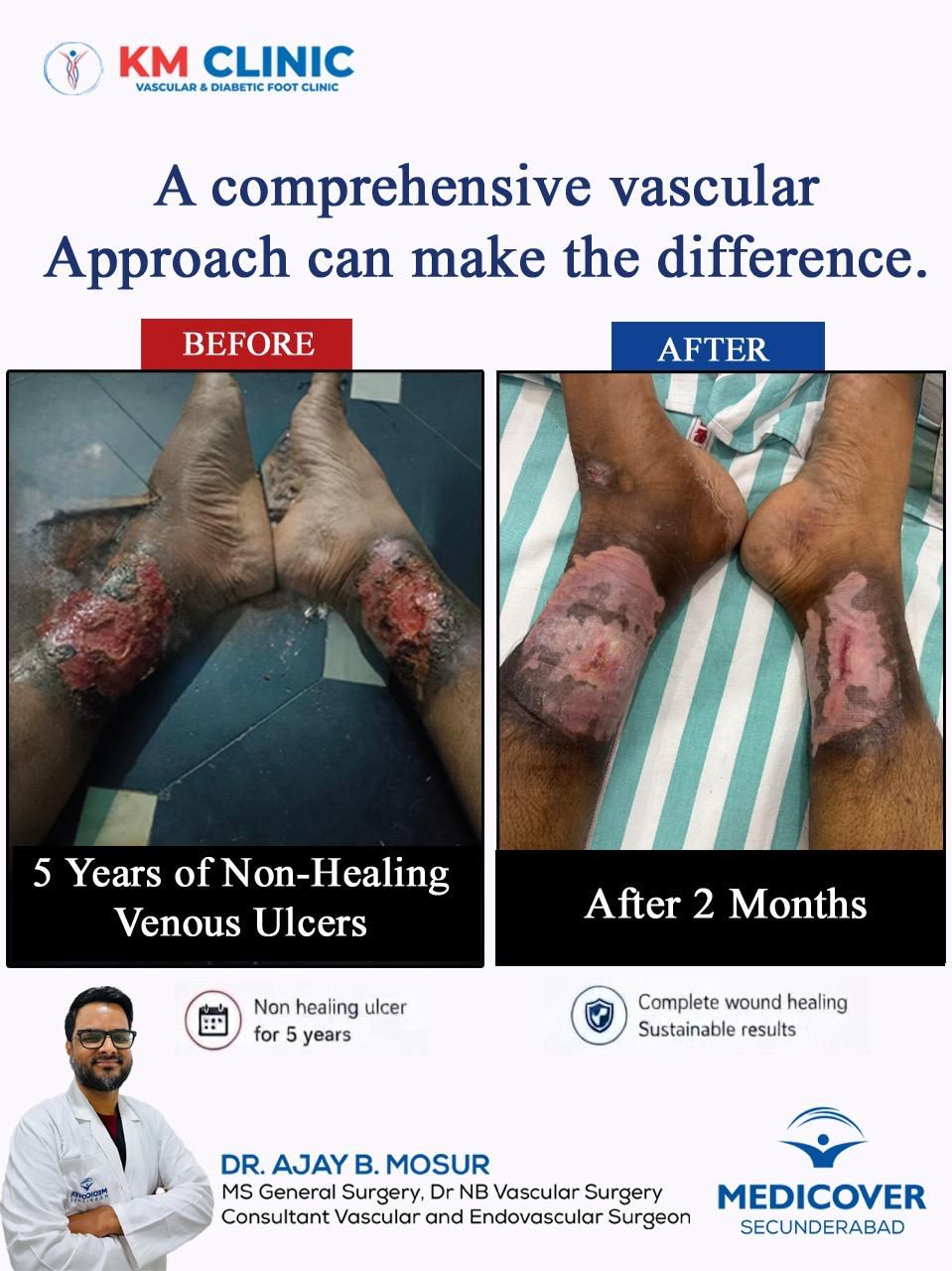
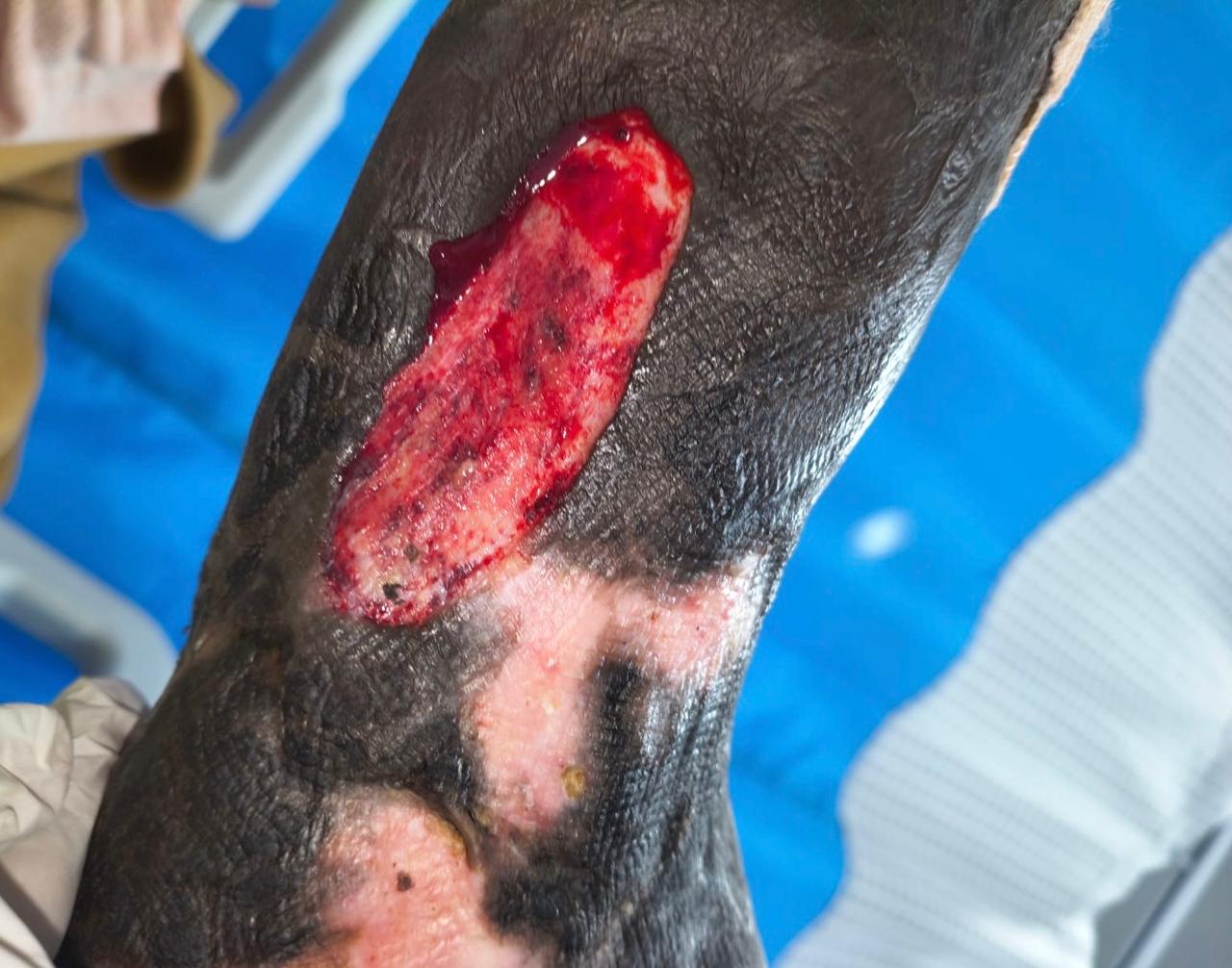
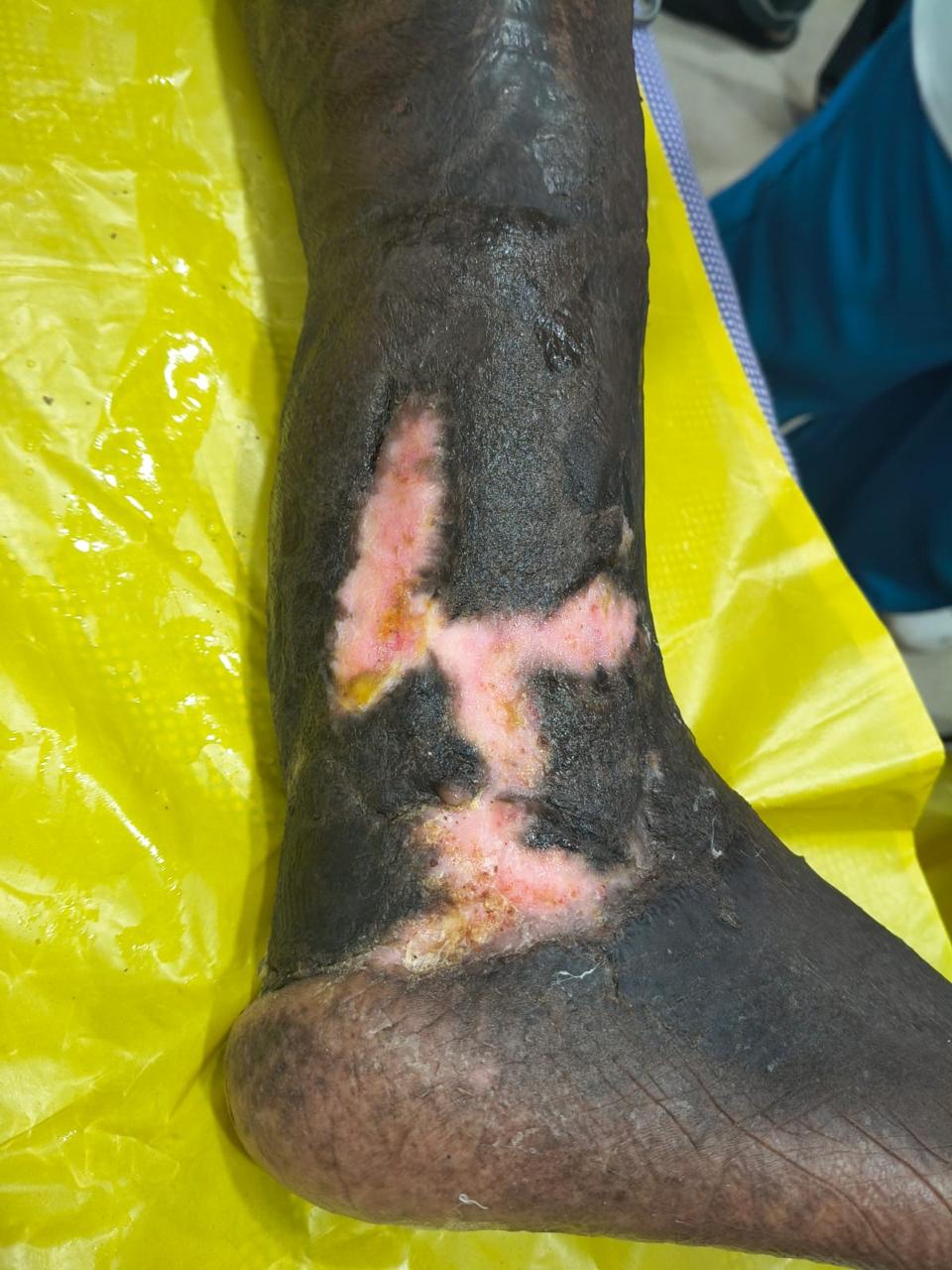
More advanced vein problems may cause skin changes or wounds around the ankle area. Persistent or worsening symptoms should be assessed by a healthcare professional.
The appearance of enlarged, twisted veins is one of the most noticeable signs. Some people may have visible varicose veins without experiencing significant discomfort, while others can develop symptoms that affect daily activities.
Common symptoms include:
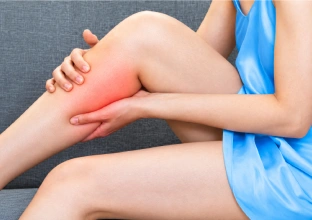
Aching or pain in the legs
Leg heaviness or tiredness
Swelling around the ankles or lower legs
Burning or throbbing sensations
Itching around affected veins
Muscle cramps, particularly at night
Skin discoloration
Restlessness or discomfort after prolonged standing
More advanced vein problems may cause skin changes or wounds around the ankle area. Persistent or worsening symptoms should be assessed by a healthcare professional.
Varicose veins can affect adults of different ages, although the risk may increase with age. People who spend many hours standing or sitting may also experience increased pressure on the veins.
Individuals who may have a higher risk include those with a family history of varicose veins, people who are overweight, pregnant women, older adults, and individuals with occupations involving prolonged standing or sitting.
Regular movement, maintaining a healthy weight, and avoiding long periods in one position may help support healthy circulation.
How Are Varicose Veins Diagnosed?
Diagnosis generally begins with a medical history and physical examination. A vascular or vein specialist may examine the legs while the patient is standing or sitting and ask about symptoms such as pain, swelling, heaviness, or skin changes.
A Doppler ultrasound or duplex ultrasound may be recommended to evaluate blood flow through the veins and identify problems such as venous reflux. The results can help the specialist determine the severity of the vein problem and select an appropriate treatment approach.
When Do Varicose Veins Need Treatment?
Not every varicose vein requires a procedure. Treatment may be considered when symptoms are persistent, veins are progressing, or complications or significant skin changes develop.
Medical evaluation is particularly important when varicose veins are associated with:
Persistent leg pain or swelling
Significant heaviness or discomfort
Skin discoloration or irritation
Recurrent swelling
Bleeding from a varicose vein
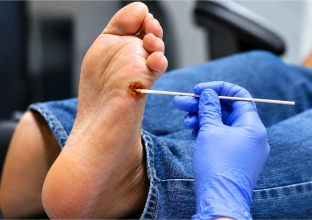
Non-healing sores or ulcers
Superficial vein inflammation
Symptoms that interfere with daily activities
A specialist can determine whether treatment is necessary based on symptoms, examination findings, and ultrasound results.
Varicose Veins Treatment Options
Treatment for varicose veins depends on the underlying vein problem, symptoms, overall health, and severity of the condition. Common approaches include the following.
Lifestyle Changes
For mild symptoms, lifestyle measures may help improve circulation and reduce discomfort. Regular walking and physical activity can encourage blood flow from the legs toward the heart.
Other helpful measures may include avoiding prolonged sitting or standing, elevating the legs when resting, maintaining a healthy weight, and taking movement breaks during long periods of sitting.
Lifestyle changes may support symptom management but may not eliminate established varicose veins.
Compression Therapy
Compression stockings apply controlled pressure to the legs and can help improve venous blood flow. They may reduce symptoms such as swelling, aching, and heaviness in some people.
The appropriate compression level and type should be selected with guidance from a healthcare professional, particularly for people with other circulation problems.
Sclerotherapy
Sclerotherapy is a minimally invasive treatment in which a medical solution is introduced into selected veins. The treated vein gradually closes and is eventually absorbed by the body.
It is commonly used for certain smaller varicose veins and spider veins. The suitability of sclerotherapy depends on the size, location, and condition of the affected veins.
Minimally Invasive Endovenous Procedures
For certain patients with problematic larger veins or venous reflux, minimally invasive endovenous treatments may be considered. These procedures can include endovenous laser treatment (EVLT/EVLA) or radiofrequency ablation (RFA).
These techniques use heat energy delivered through a catheter to close the affected vein. Blood can then be redirected through healthier veins. The exact procedure depends on the individual's vein anatomy and ultrasound findings.
Surgical Treatment When Required
Surgery may be considered in selected cases, particularly when veins are extensive or when other treatment approaches are not appropriate. Procedures may include removal or ligation of affected veins.
Because less invasive treatments are available for many patients, a specialist generally evaluates the condition carefully before recommending surgery.
When Should You Consult a Vascular or Vein Specialist?
Consider consulting a vascular or vein specialist if you have persistent leg pain, swelling, heaviness, visible enlarged veins, skin changes, or symptoms that are getting worse.
Prompt medical assessment is especially important if a varicose vein begins bleeding, if a painful or swollen area develops suddenly, or if you notice significant skin changes or a non-healing wound.
A specialist can assess whether the symptoms are related to varicose veins or another venous or circulatory condition.
Varicose Veins Treatment in RTC Crossroads, Hyderabad
For people looking for Varicose Veins Treatment in RTC Crossroads, Hyderabad, choosing a qualified vascular or vein specialist can make the evaluation and treatment process more convenient. RTC Crossroads is a well-connected locality in central Hyderabad, making it accessible to patients from nearby areas such as Musheerabad, Himayatnagar, Chikkadpally, Narayanaguda, and surrounding parts of the city.
When looking for vein treatment near RTC Crossroads, consider factors such as specialist expertise, diagnostic facilities, available treatment options, and whether the clinic provides an individualized treatment plan.
A proper consultation and venous ultrasound can help determine whether conservative management, minimally invasive treatment, or another approach is appropriate.
What to Expect During a Varicose Vein Consultation
During your consultation, the specialist may first discuss your symptoms, medical history, lifestyle, occupation, and family history of vein problems. The legs may then be physically examined for visible veins, swelling, skin changes, or other abnormalities.
If required, a duplex ultrasound may be performed to assess blood flow and identify venous reflux or other abnormalities.
Based on the findings, the specialist can explain the available treatment options, expected benefits, potential risks, recovery considerations, and follow-up requirements. Treatment recommendations should be individualized rather than based solely on the appearance of the veins.
Frequently Asked Questions
There is no single treatment that is best for everyone. Treatment depends on the type and severity of the vein problem, symptoms, ultrasound findings, and overall health. Options may include lifestyle measures, compression therapy, sclerotherapy, endovenous procedures, or surgery when appropriate.
Established varicose veins generally do not disappear completely without treatment. However, lifestyle measures and compression therapy may help manage symptoms. A specialist can determine whether intervention is appropriate.
The level of discomfort varies according to the treatment. Many modern minimally invasive procedures are performed using local anesthesia or other pain-control measures. Your specialist can explain what to expect for a particular procedure.
A physical examination is commonly followed by duplex or Doppler ultrasound when further evaluation is needed. Ultrasound can help identify abnormal blood flow and venous reflux.
You should consider medical evaluation if you experience persistent pain, swelling, heaviness, skin changes, bleeding, ulcers, or worsening symptoms. Sudden significant swelling or severe pain should receive prompt medical attention.
Healthy habits such as regular walking, maintaining a healthy weight, avoiding prolonged sitting or standing, and elevating the legs when resting may support healthy circulation and reduce symptoms. They cannot guarantee prevention of varicose veins.