Varicose Veins
Understanding Varicose Veins: Causes, Symptoms, and Treatment Options
What Are Varicose Veins?
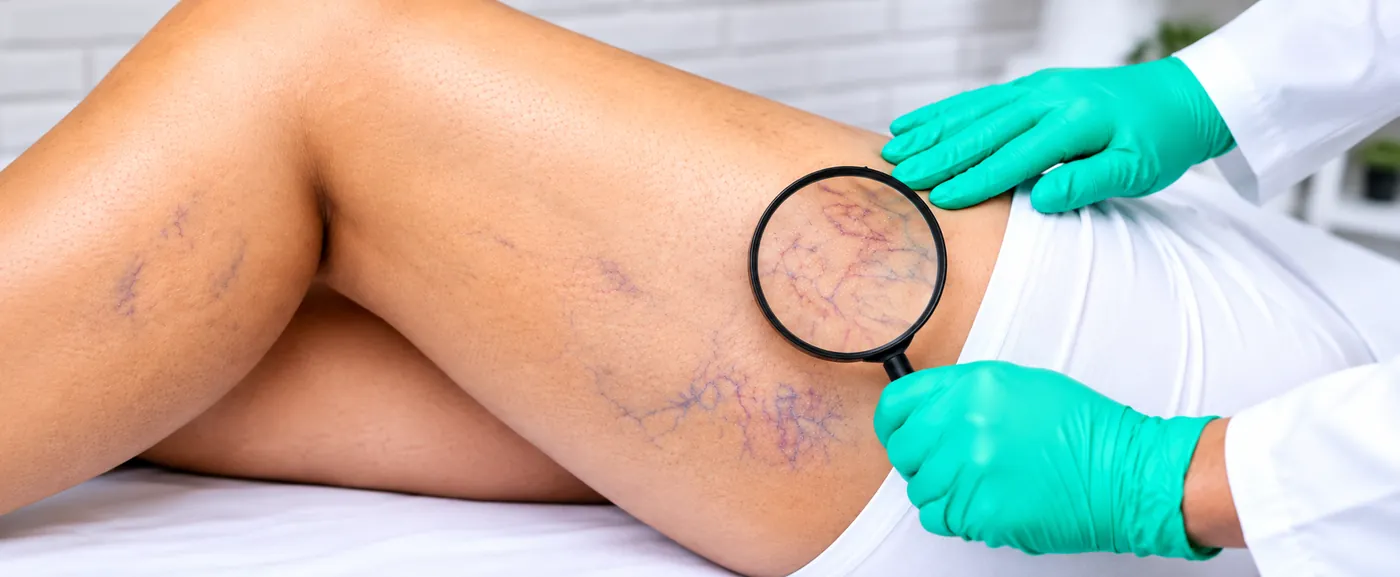
Varicose veins are a common and often misunderstood condition that affects millions of people worldwide. These enlarged, twisted veins are typically visible beneath the skin’s surface, most commonly in the legs and feet. While they are often considered a cosmetic concern, varicose veins can sometimes lead to discomfort, pain, and more serious health complications if left untreated. In this blog, we’ll dive into what varicose veins are, their causes, symptoms, and various treatment options available.
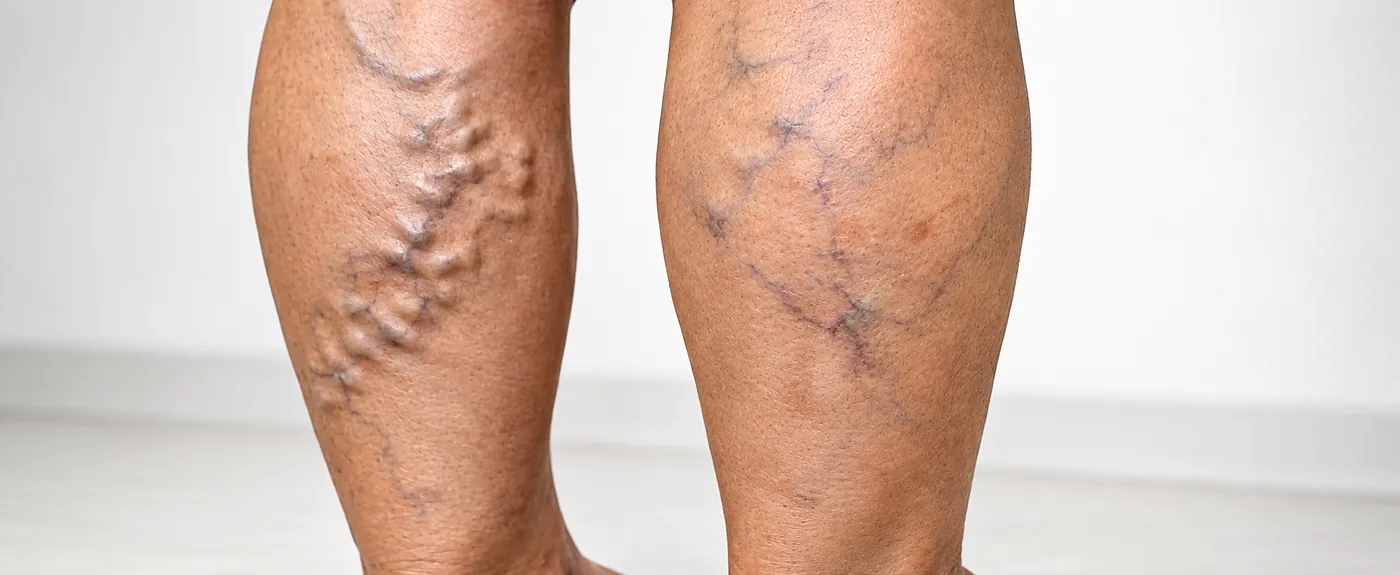
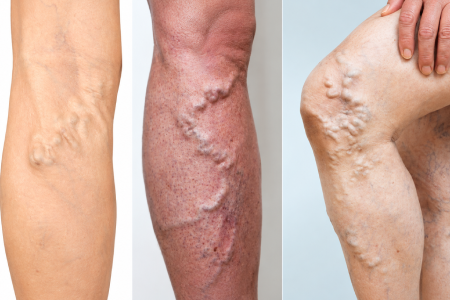
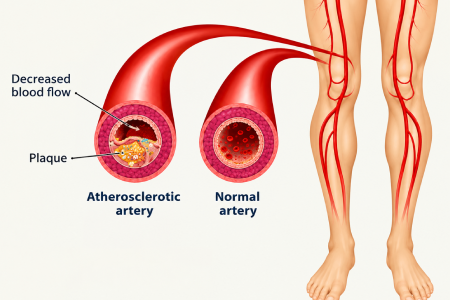
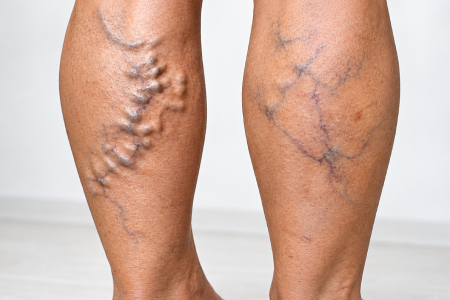
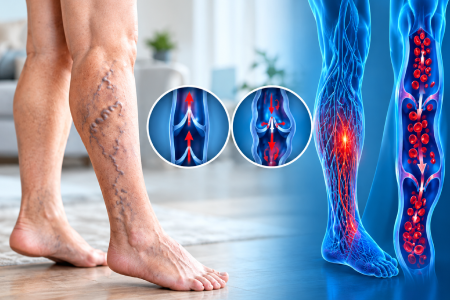
Varicose veins occur when the veins, which carry blood back to the heart, become enlarged and twisted. Normally, veins have one-way valves that help blood flow toward the heart. When these valves weaken or become damaged, blood can begin to flow backward and pool in the veins, causing them to swell and become more visible. Over time, these veins can become larger, darker, and more pronounced, creating the bulging appearance that is characteristic of varicose veins.
Varicose veins are most commonly found in the lower legs, as standing and walking put extra pressure on the veins in this area. However, they can also appear in other parts of the body, such as the pelvic area or esophagus.
Causes of Varicose Veins
Several factors contribute to the development of varicose veins. Understanding these causes can help in both prevention and treatment:
-
Weak or Damaged Valves: The most common cause of varicose veins is weakened or malfunctioning valves in the veins. These valves help ensure that blood flows upward toward the heart. When they don’t work properly, blood can flow backward and accumulate in the veins, causing them to stretch and bulge.
-
Age: As people age, the veins naturally lose some of their elasticity and the valves may weaken. This can increase the risk of developing varicose veins, particularly with advancing age.
-
Genetics: A family history of varicose veins can increase the likelihood of developing them. Inherited vein valve or connective tissue problems may contribute to the condition.
-
Pregnancy: Hormonal changes, increased blood volume, and pressure on the veins from the growing uterus during pregnancy can contribute to varicose veins. They may improve after childbirth but can recur or worsen with subsequent pregnancies.
-
Obesity: Excess body weight can put additional pressure on the veins, contributing to the development of varicose veins.
-
Prolonged Standing or Sitting: Jobs or lifestyles that involve long periods of standing or sitting can increase pressure on the veins and affect blood flow, contributing to varicose veins.
-
Hormonal Changes: Hormonal fluctuations, particularly during puberty, pregnancy, and menopause, can affect the veins and may increase the likelihood of developing varicose veins.
-
Injury or Trauma: Injury to the veins can contribute to varicose veins, particularly when the injury affects the structure of the vein or its valves.
Symptoms of Varicose Veins
While varicose veins may appear as a cosmetic issue, they can cause a range of uncomfortable symptoms. Common symptoms include:
-
Visible Bulging Veins: The most noticeable symptom of varicose veins is the appearance of twisted, swollen veins just beneath the skin. These veins are often dark blue or purple.
-
Pain or Discomfort: People with varicose veins may experience aching, throbbing, or a heavy feeling in the affected legs. This discomfort may worsen after prolonged periods of standing or sitting.
-
Swelling: Swelling in the lower legs and ankles is common, particularly at the end of the day.
-
Itching or Burning Sensation: The skin around the affected veins may feel itchy, irritated, or even slightly inflamed.
-
Leg Cramps: Some individuals with varicose veins experience cramps in the legs, especially at night.
-
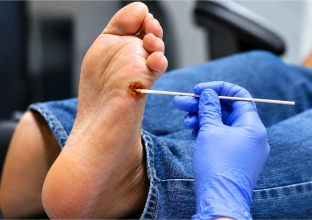
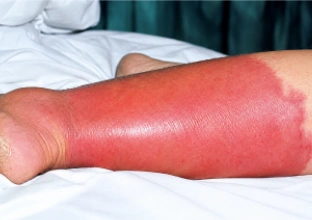
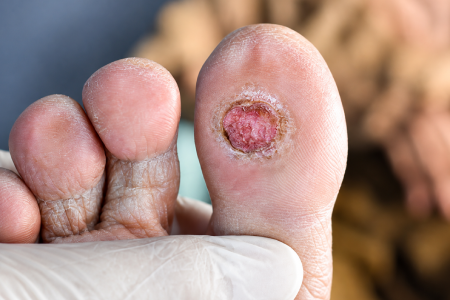
Skin Changes: In severe cases, the skin around the varicose veins may become discolored, dry, or develop sores or ulcers.
If left untreated, varicose veins can lead to more serious complications, such as blood clots or vascular venous insufficiency, which occurs when the veins can’t efficiently return blood to the heart.
Diagnosis
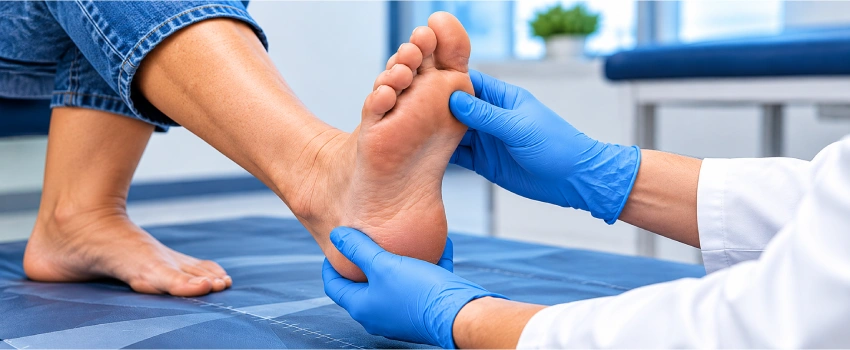
A doctor can usually diagnose varicose veins based on a physical examination and a discussion of the patient’s symptoms. In some cases, further diagnostic tests may be recommended, such as:
-
Ultrasound: A non-invasive procedure that uses sound waves to create an image of the veins and blood flow. It helps identify the presence of damaged valves or blood clots.
-
Venography: A rare test in which a special dye is injected into the veins to create X-ray images, offering a detailed view of the venous system.
Treatment Options for Varicose Veins
Treatment for varicose veins depends on the severity of the condition and how much it affects a person’s quality of life. Options range from conservative approaches to more invasive procedures:
-
Lifestyle Changes: For mild cases, lifestyle changes can help manage varicose veins. These include elevating the legs to improve circulation, wearing compression stockings to help reduce swelling and improve blood flow, regular physical activity such as walking or swimming, and avoiding prolonged periods of standing or sitting.
-
Medications: Over-the-counter pain relievers like ibuprofen or aspirin may help relieve symptoms of pain and inflammation. However, they do not treat the underlying vein problem.
-
Sclerotherapy: A minimally invasive procedure where a chemical solution is injected into varicose veins, causing them to collapse and fade over time. This is often used for smaller veins.
-
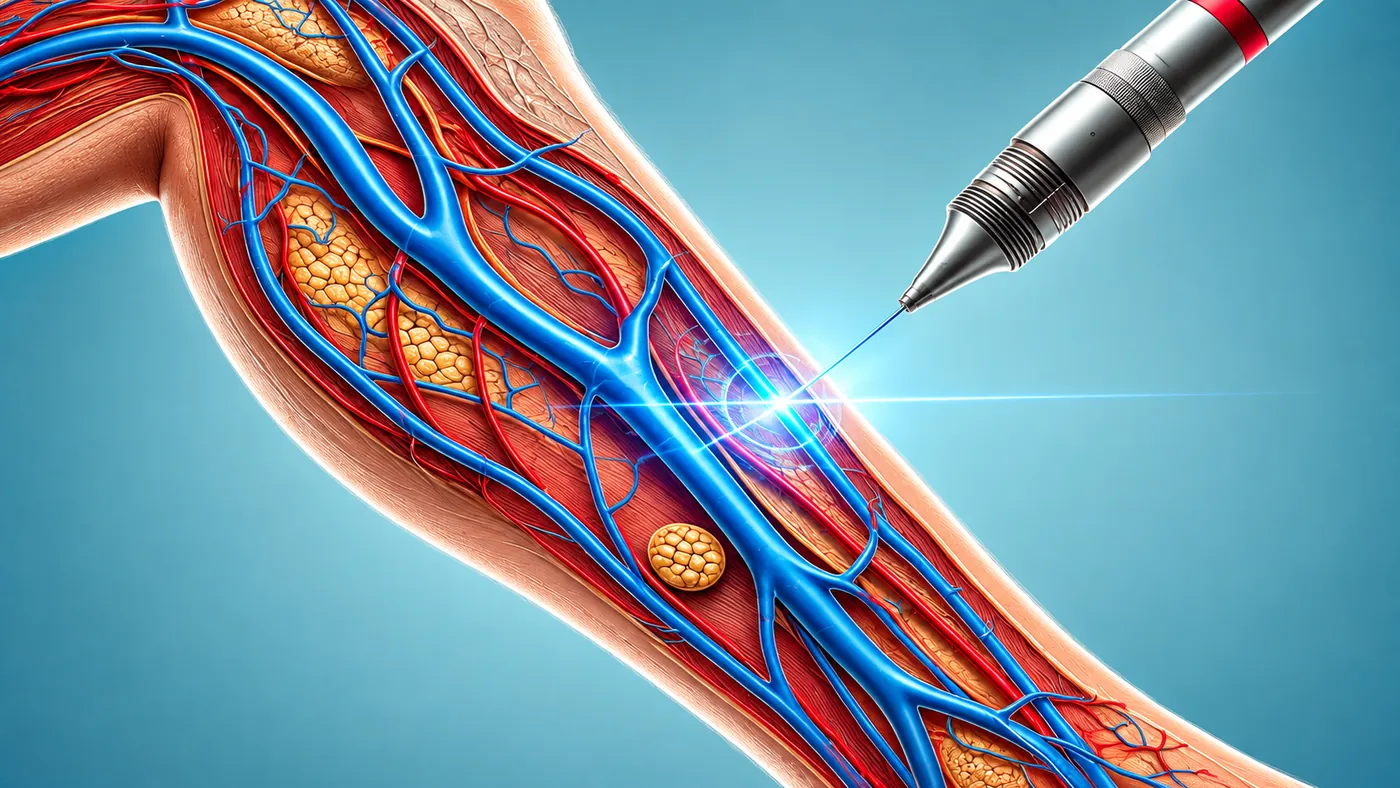
Laser Therapy: Laser treatments can seal off varicose veins without the need for large incisions. Laser energy is directed at the vein to close it, and the vein eventually fades away.
-
Endovenous Laser Treatment (EVLT): This procedure uses laser energy to heat and close off affected veins, which are then gradually absorbed by the body.
-
Vein Stripping and Ligation: In more severe cases, a surgical procedure may be performed to remove large varicose veins. This is typically done under local or general anesthesia and requires a recovery period.
-
Ambulatory Phlebectomy: In this minimally invasive procedure, small incisions are made in the skin, and varicose veins are removed using a special instrument.
Preventing Varicose Veins
While it may not be possible to completely prevent varicose veins, several steps can be taken to reduce your risk:
-
Maintain a healthy weight to reduce the pressure on your veins.
-
Stay active and exercise regularly to improve circulation.
-
Elevate your legs when sitting or lying down to reduce pressure on the veins.
-
Avoid wearing tight clothing that restricts blood flow.
-
Wear compression stockings if you are at risk or already have varicose veins.
Final Thoughts
Varicose veins are a common condition that can affect your comfort and quality of life. While they are often seen as a cosmetic issue, they can lead to more serious complications if left untreated. Understanding the causes, symptoms, and available treatments for varicose veins is key to managing the condition and improving overall vascular health. If you’re experiencing symptoms, it’s essential to consult with a healthcare provider to determine the best course of action for treatment and prevention.