Varicose Vein Clinic Near Me Secunderabad
Varicose Veins Guide: Causes, Symptoms, Treatment Options, and Choosing the Right Clinic
KM Vascular Clinic helps patients understand vein-related concerns and explore appropriate evaluation and treatment options for varicose veins. Large, twisted veins that frequently develop in the legs and feet are called varicose veins.
Visible changes, pain, heaviness, swelling, itching, or discomfort could result from them, especially after extended periods of sitting or standing.
Although varicose veins are often considered a cosmetic concern, they can sometimes indicate an underlying problem with blood flow. Understanding their causes, recognizing early symptoms, and consulting a qualified vascular specialist can help patients make informed decisions about their vein health.
This guide explains what causes varicose veins, how they are diagnosed, which treatments may be suitable, and what to consider when choosing a varicose vein clinic.
What Are Varicose Veins?
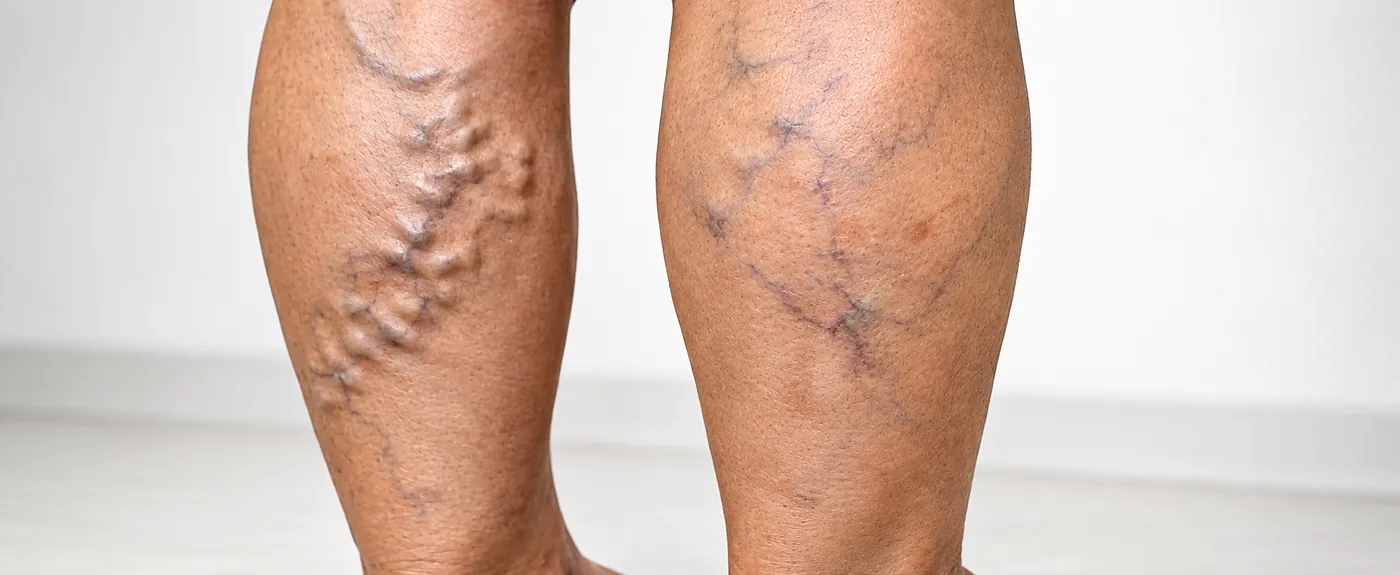
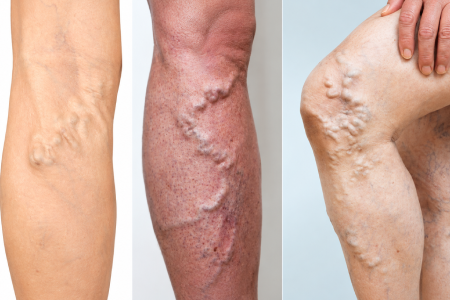
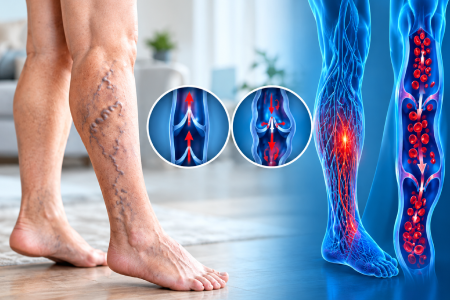
Enlarged, twisted veins that result from inefficient blood flow back toward the heart are known as Varicose Vein Clinic Near Me Secunderabad. Because the veins must defy gravity in order to return blood upward, they most frequently afflict the legs.
Healthy veins contain small valves that help prevent blood from flowing backward. When these valves weaken or become damaged, blood can collect inside the veins, increasing pressure and causing them to enlarge.
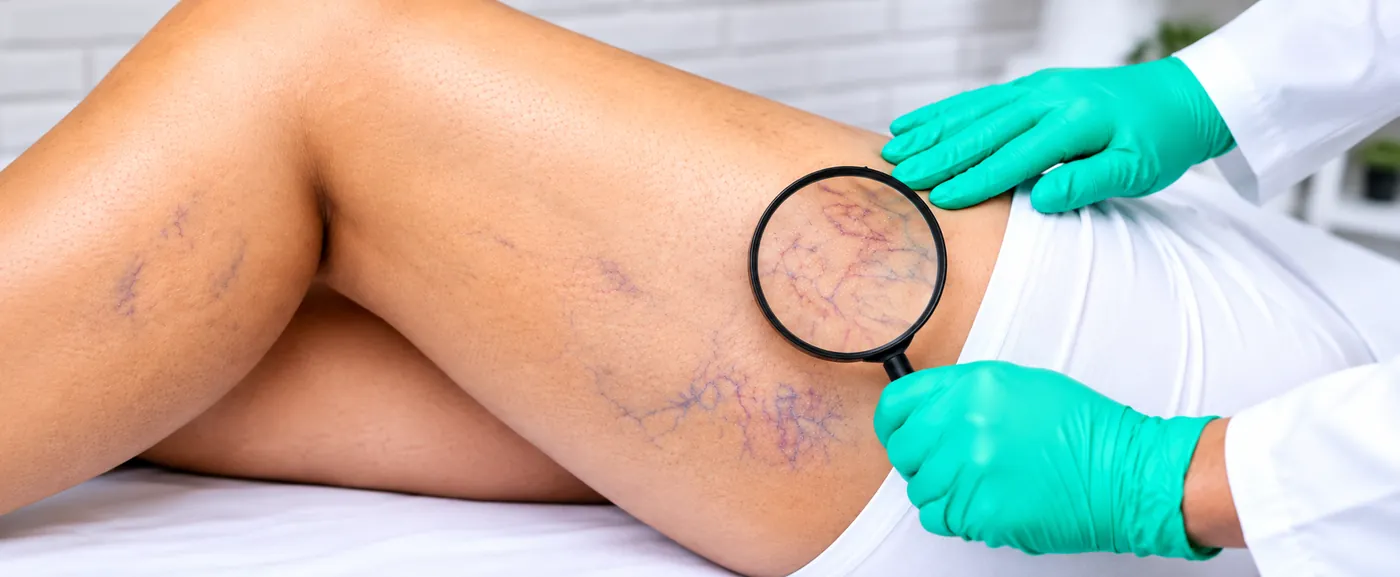
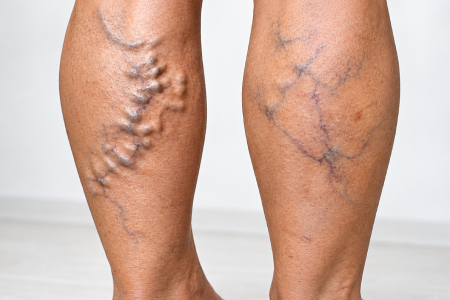
Beneath the skin, varicose veins might appear black, purple, or blue. While some people have noticeable veins without any discomfort, others suffer skin changes, pain, edema, or heaviness.
What Causes Varicose Veins?
Increased pressure within the leg veins and weakened vein valves are the usual causes of Varicose Vein Clinic Near Me Secunderabad. Their development can be influenced by a number of things.
1. Weak or Damaged Vein Valves
Vein valves help direct blood toward the heart. When they become weak or stop closing properly, blood may flow backward and collect in the veins. This illness is often associated with vascular venous insufficiency.
2. Prolonged Standing or Sitting
Spending many hours in one position can affect circulation in the legs. People whose jobs require extended standing or sitting may experience more leg heaviness or swelling, although these factors do not guarantee that varicose veins will develop.
3. Pregnancy
Pregnancy increases blood volume and changes hormone levels. The growing uterus can also place pressure on veins in the pelvis, contributing to vein enlargement. Pregnancy-related varicose veins may improve after delivery; however, some may not go away.
4. Age-Related Changes
As people age, vein walls and valves may gradually lose strength and elasticity. This could make varicose veins more likely.
5. Family History
An individual may be more vulnerable if they have a family history of varicose veins. Inherited differences in vein structure and valve function may contribute to their development.
6. Excess Body Weight
Increased body weight can put more strain on the legs' veins.
What Varicose Vein Symptoms Are Typical? Maintaining a healthy weight may help reduce pressure on the venous system.
What Varicose Vein Symptoms Are Typical?
Symptoms vary from person to person. Some people notice only visible veins, while others experience discomfort that affects daily activities.
Common varicose vein symptoms include:
-
Enlarged, twisted, or bulging veins.
-
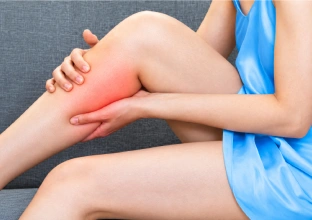
Aching or throbbing in the legs.
-
A feeling of heaviness or tiredness.
-
Swelling around the ankles or lower legs.
-
Itching around affected veins.
-
Burning or cramping sensations.
-
Discomfort that worsens with extended standing.
-
In more severe cases, the skin thickens or becomes discolored around the ankles.
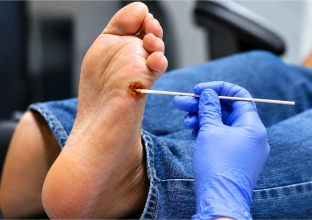
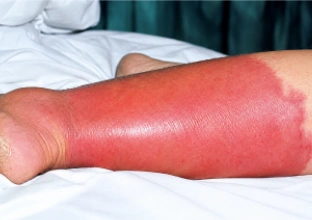
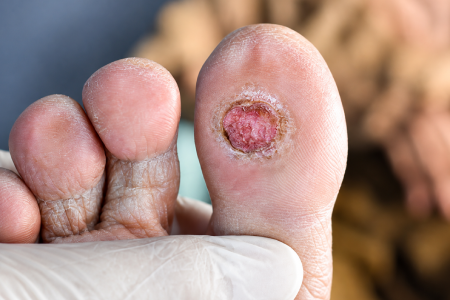
Some people develop inflammation or sores near the ankles. These symptoms require medical assessment, particularly if they persist or worsen.
When Should You Seek Medical Advice?
If leg pain, swelling, skin changes, or obvious Varicose Vein Clinic Near Me Secunderabad cause discomfort or interfere with daily activities, get medical advice.
Who Could Get Varicose Veins?
The following variables can raise the risk of developing varicose veins:
-
Family history: Close relatives with varicose veins may indicate an inherited tendency.
-
Age: Vein valves may weaken over time.
-
Pregnancy: Increased blood volume and pressure can affect leg veins.
-
Prolonged standing: Jobs involving long periods on the feet may aggravate venous symptoms.
-
Prolonged sitting: Limited movement can contribute to poor circulation.
-
Overweight: The veins may be impacted by additional pressure.
-
Previous blood clots: Damage to deeper veins can contribute to long-term circulation problems.
How Are Varicose Veins Diagnosed?
A vascular specialist typically evaluates symptoms, examines the legs, and determines whether further testing is needed. The purpose is to identify the affected veins, assess blood flow, and select an appropriate treatment plan.
1. Medical History
The specialist may ask when symptoms started, whether they worsen during the day, whether there is a family history of vein disease, and whether the patient has experienced previous blood clots or vein procedures.
2. Physical Examination
The legs may be examined while standing or sitting to identify enlarged veins, swelling, skin changes, tenderness, or other signs of venous disease.
3. Duplex Ultrasound
Duplex ultrasound is a commonly used, non-invasive test for evaluating vein problems. It integrates Doppler blood flow assessment with ultrasound imaging.
It can help identify backward blood flow, known as reflux, and evaluate the function of superficial and deep veins. The findings help the clinician determine whether a procedure is appropriate and which veins may need treatment.
Not every visible vein requires an intervention. The diagnosis and treatment plan should be based on symptoms, examination findings, and relevant test results.
What Varicose Vein Treatments Are Available?
The most appropriate treatment depends on symptom severity, the underlying cause, ultrasound findings, general health, and individual preferences. A vascular specialist can explain the benefits, limitations, and potential risks of each option.
1. Lifestyle Changes and Exercise
For mild symptoms, conservative measures may help manage discomfort. These can include:
-
Walking regularly to support circulation.
-
Avoiding prolonged periods of sitting or standing still.
-
Moving the ankles and calves throughout the day.
-
Elevating the legs when resting.
-
Maintaining a healthy weight.
2. Compression Stockings
Compression stockings apply graduated pressure to the legs to support venous blood flow and may reduce swelling or aching.
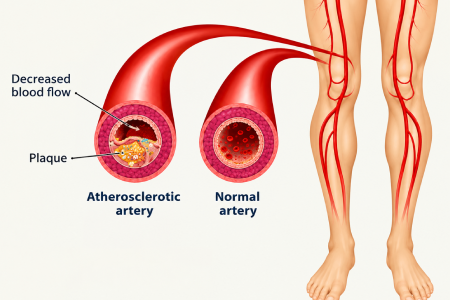
The correct pressure and fit depend on the patient's condition. A clinician should assess whether compression is suitable, particularly for people with peripheral arterial disease or other circulation problems.
Compression stockings can help manage symptoms, but they do not repair damaged vein valves or permanently remove varicose veins.
3. Sclerotherapy
A medicinal solution is injected into specific veins during sclerotherapy. The solution irritates the vein lining, causing the treated vein to close gradually.
4. Endovenous Laser Treatment
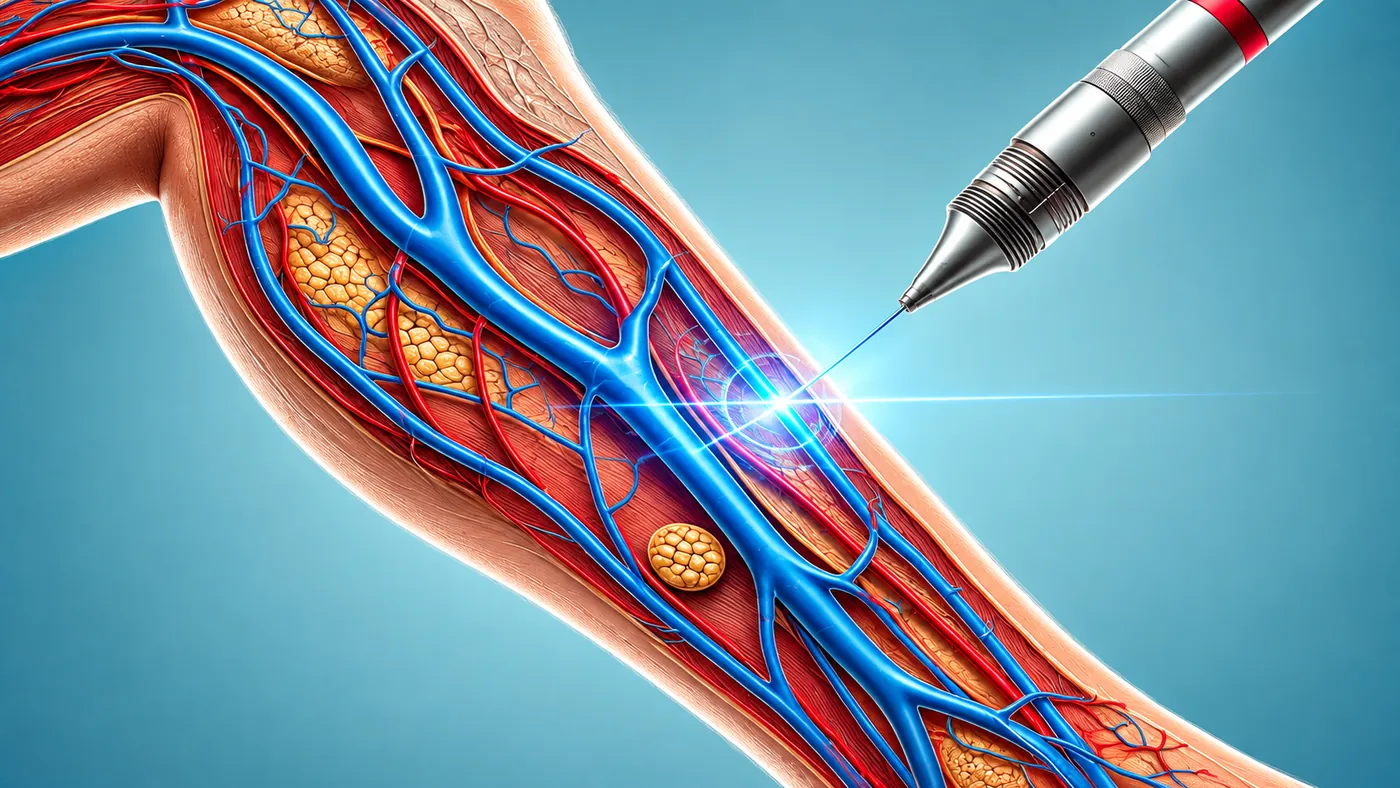
A tiny catheter is used to administer laser energy into an afflicted vein during endovenous laser treatment (EVLT). The vein closes as a result of the energy heating the vein wall.
Suitability depends on the vein's anatomy, ultrasound findings, and the clinician's assessment.
5. Radiofrequency Ablation
Using regulated heat, radiofrequency ablation closes a damaged vein from the inside out. The vein wall receives radiofrequency energy from a catheter. The procedure, recovery advice, and follow-up requirements depend on individual circumstances.
6. Ambulatory Phlebectomy
Ambulatory phlebectomy removes selected superficial varicose veins through small skin openings, usually under local anaesthesia.
7. Surgical Treatment
Surgical procedures, including ligation or vein removal, may be considered in selected cases. The choice depends on the severity and pattern of venous disease, anatomy, available treatment options, and the patient's overall health.
Key Features of Varicose Vein Evaluation and Care
A structured vein-care service may include the following features:
-
Ultrasound assessment: Investigation of venous reflux and blood-flow patterns when indicated.
-
Individualized treatment planning: Recommendations based on symptoms, test findings, and patient needs.
-
Procedure counselling: Explanation of treatment options, potential complications, and expected recovery.
-
Follow-up care: Review of healing, symptom changes, and the need for further management.
Patients should confirm which diagnostic tests, procedures, and follow-up services are available at their chosen clinic.
Benefits of Seeking Timely Medical Assessment
Seeking professional advice can help patients understand whether their symptoms are caused by varicose veins or another condition.
Potential benefits include:
-
Clearer diagnosis: Identifying the cause of leg discomfort and swelling.
-
Informed treatment choices: Understanding conservative care and procedural options.
-
Symptom management: Exploring ways to reduce aching, heaviness, and swelling.
-
Monitoring complications: Recognizing skin changes, inflammation, bleeding, or ulcers.
-
Personalized guidance: Receiving advice suited to individual health needs.
-
Improved daily comfort: Appropriate management may make standing, walking, and everyday activities more comfortable.
Technical Specifications: Clinical and Diagnostic Considerations
In vein care, technical considerations include the clinical tests, treatment methods, and safety factors used to plan appropriate care.
-
Duplex Ultrasound: Assesses vein structure, blood flow, and abnormal backward blood flow (reflux).
-
Vein Anatomy: Identifies the location, size, and pattern of affected veins.
-
Procedure Methods: May include sclerotherapy injections, laser treatment, radiofrequency ablation, phlebectomy, or surgery.
-
Anaesthesia: Depends on the selected procedure and the patient's medical needs.
-
Recovery and Follow-Up: Vary according to the treatment performed and the clinician's instructions.
-
Potential Risks: May include bruising, discomfort, skin changes, inflammation, nerve injury, or blood clots, depending on the procedure.
ApplicationsAssessment may be appropriate in several situations:
-
Persistent leg discomfort: Aching, heaviness, or throbbing that affects daily activities.
-
Ankle or lower-leg swelling: Particularly when it repeatedly occurs or worsens later in the day.
-
Skin changes: Darkening, irritation, thickening, or eczema around the lower legs.
-
Venous ulcers: Wounds near the ankles that are slow to heal.
-
Bleeding veins: A varicose vein that bleeds requires prompt medical attention.
-
Recurrent symptoms: Discomfort or visible veins that return after earlier treatment.
How Can Varicose Veins Be Treated or Prevented?
Varicose veins cannot always be prevented, particularly when genetics, age, or pregnancy contribute to their development.
Stay Physically Active
Walking and regular movement engage the calf muscles, which help push blood back toward the heart. Choose activities appropriate for your fitness and medical condition.
How Do You Choose the Right Varicose Vein Clinic?
Choosing a clinic is an important step toward safe, appropriate care. Consider the following points when comparing vascular clinics in Hyderabad or elsewhere in Telangana.
1. Check the Specialist's Qualifications
Look for a suitably qualified vascular surgeon or clinician with relevant experience in diagnosing and treating venous disorders. Verify credentials and professional registration where applicable.
2. Ask About Diagnostic Facilities
A clinic should be able to explain how it evaluates varicose veins and whether duplex ultrasound is available or arranged when clinically indicated.
3. Understand the Available Treatments
Ask which options may be suitable for your condition, including conservative management, sclerotherapy, endovenous procedures, phlebectomy, or surgery. 4. Discuss Benefits, Risks, and Costs
Before agreeing to a procedure, ask about expected outcomes, possible complications, recovery time, follow-up visits, and the total estimated cost.
5. Consider Accessibility and Follow-Up
A conveniently located clinic may make consultations and follow-up easier. Patients looking for a varicose vein clinic in Hyderabad can compare qualifications, diagnostic services, communication, and continuity of care rather than relying only on advertising or location.
Frequently Asked Questions About Varicose Veins
How Do I Know If My Varicose Veins Need Medical Treatment?
Varicose veins may need medical evaluation if they cause persistent aching, heaviness, swelling, itching, skin discoloration, or difficulty with daily activities. A specialist can assess your symptoms and determine whether lifestyle changes, compression therapy, or a medical procedure is appropriate.
Which Tests Are Used to Evaluate Varicose Veins?
A clinical examination and duplex ultrasound are commonly used to evaluate varicose veins. Ultrasound helps identify abnormal blood flow, assess vein valve function, and detect underlying venous insufficiency. The results help the specialist plan suitable treatment.
Can Standing for Long Hours Make Varicose Veins Worse?
Prolonged standing can exacerbate symptoms like heaviness, soreness, and swelling and raise pressure in the veins in the legs. Taking regular movement breaks, walking, and changing positions may help manage discomfort.
Are Minimally Invasive Varicose Vein Treatments Better Than Surgery?
Minimally invasive procedures, such as endovenous laser treatment and radiofrequency ablation, are suitable for many patients and often involve shorter recovery periods than traditional surgery. However, the appropriate option depends on vein anatomy, ultrasound findings, symptoms, and individual medical needs.
How Long Does It Take to Recover After Varicose Vein Treatment?
Recovery depends on the treatment performed, the extent of the vein problem, and individual health factors. Many patients return to normal activities relatively quickly after minimally invasive procedures, while other treatments may require additional recovery time. Follow your specialist's instructions regarding walking, exercise, and wound care.
Can Varicose Veins Develop Even If I Exercise Regularly?
Yes. Regular exercise supports circulation and may help relieve symptoms, but it cannot always prevent varicose veins. Genetics, ageing, pregnancy, and weakened vein valves can contribute to their development even in physically active individuals.
What Should I Check Before Choosing a Varicose Vein Clinic in Hyderabad?
Check the specialist's relevant qualifications, experience in venous disease management, access to duplex ultrasound, available treatment options, follow-up arrangements, and transparency about costs. Clear explanations and an individualized treatment plan are also important when comparing clinics.
What Takes Place If Varicose Veins Are Not Treated?
Some varicose veins remain stable for years, while others may gradually worsen. Possible complications include persistent swelling, skin changes, bleeding, inflammation, and venous ulcers. Medical assessment can help identify risks and determine whether treatment is necessary.