Podiatric clinic in Secunderabad

What Foot Care Treatments Are Available at a Podiatric Clinic in Secunderabad?
Foot health plays an important role in walking, balance, mobility, and everyday comfort. However, persistent foot pain, heel discomfort, thickened skin, nail problems, wounds, and changes in sensation can affect a person's quality of life. Some foot conditions can be managed with appropriate foot care, while others require assessment by a medical specialist.
People searching for a Podiatric clinic in Secunderabad should understand the available treatment options and choose a healthcare provider according to their specific needs. Individuals with diabetes, poor circulation, or reduced sensation may require additional attention because minor foot problems can sometimes develop into serious complications.
KM Vascular Clinic, associated with Dr Ajay B. Mosur, is relevant to patients seeking information about vascular health and circulation-related concerns. Patients should ask about the clinic's pertinent services and whether a vascular assessment or referral is necessary if they have foot wounds, color changes, or symptoms that could be related to poor blood flow. Direct confirmation from the clinic is necessary for dedicated podiatry services.
What Is a Podiatric Clinic?
A Podiatric Clinic In Secunderabad specializes in diagnosing and treating ailments of the feet and, frequently, the ankles and lower limbs. Foot care may involve the evaluation of skin and nail diseases, heel discomfort, structural issues, diabetic foot complications, and walking challenges, depending on the provider's credentials and facilities.
Appropriate foot care aims to improve comfort, support mobility, manage wounds, and reduce the risk of complications. Early assessment can also help identify problems that require specialist attention, such as an infection, a suspected fracture, nerve damage, or reduced blood circulation.
Not every clinic offers the same services. A podiatrist, orthopaedic specialist, dermatologist, vascular specialist, and other healthcare professionals may manage different aspects of foot health. The condition and the patient's general health determine which provider is best.
What Foot Care Treatments Are Available at a Podiatric Clinic in Secunderabad?
Foot care treatments depend on the diagnosis, severity of the problem, medical history, and available clinical services. Common categories of treatment include the following.
1. Diabetic Foot Care
Diabetic foot care focuses on identifying problems before they become serious. Assessments may include checking the skin, nails, foot structure, sensation, and circulation. Patients may also receive advice about daily foot inspection, suitable footwear, pressure reduction, and when to seek medical help.
2. Diabetic Foot Ulcer Treatment
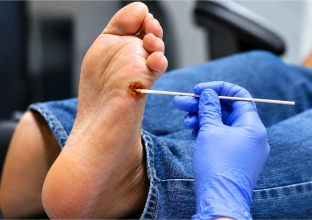
A diabetic foot ulcer is an open wound that may develop because of reduced sensation, repeated pressure, deformity, or poor circulation. Treatment may involve wound assessment, appropriate dressings, pressure offloading, infection evaluation, and circulation assessment when indicated.
Some ulcers require coordinated care involving wound-care professionals, vascular specialists, diabetes clinicians, and other relevant specialists. The wound and its underlying causes must be taken into consideration when administering treatment.
3. Heel Pain Treatment
Persistent heel pain can arise from plantar fasciitis, overuse, unsuitable footwear, tendon problems, or other musculoskeletal conditions. Depending on the diagnosis, management may include activity modification, stretching advice, footwear changes, physiotherapy, or other clinician-recommended treatments.
4. Corn and Callus Care
Corns and calluses are areas of thickened skin that commonly develop because of repeated friction or pressure. A healthcare professional can assess the affected area, identify possible causes, and recommend suitable treatment. Patients with diabetes or poor circulation should avoid cutting thickened skin themselves.
5. Ingrown Toenail Treatment
An ingrown toenail occurs when the nail edge presses into the surrounding skin. Depending on its severity, treatment may involve appropriate nail care, reducing pressure, or a minor medical procedure performed by a suitably qualified professional. Redness, swelling, pus, or increasing pain requires medical assessment.
6. Foot and Nail Infection Management
Fungal and bacterial infections can affect the skin and nails. Assessment helps determine the likely cause and suitable treatment. Depending on the condition, management may involve topical medication, prescribed oral medication, or further investigation. Spreading redness, discharge, fever, or rapidly increasing pain may indicate a more serious infection.
7. Foot Deformity Management
Bunions, hammertoes, flat feet, and other structural changes can contribute to pain, pressure points, and difficulty walking. Assessment may help determine whether footwear changes, orthotic support, exercises, monitoring, or specialist referral is appropriate.
8. Foot Injury Care
Sprains, suspected fractures, tendon injuries, and other foot or ankle injuries require assessment according to their severity. Examination and imaging may be needed. Severe pain, significant swelling, deformity, or inability to bear weight warrants prompt medical evaluation.
9. Footwear and Orthotic Support
Suitable footwear can reduce friction, improve comfort, and distribute pressure more evenly. Some patients may benefit from custom orthotics or other pressure-relieving devices, depending on their foot structure and diagnosis. These devices should be selected according to individual needs rather than used as a substitute for necessary medical treatment.
10. Vascular and Neuropathy-Related Foot Care
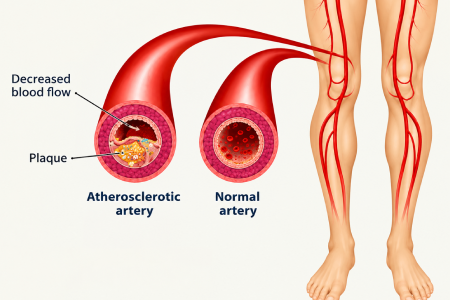
Poor circulation and nerve damage can affect wound healing and the ability to recognise an injury. Assessment may include checking foot temperature, skin colour, pulses, sensation, and wound characteristics. Further vascular testing or specialist referral may be required when reduced blood flow is suspected.
There is no assurance that every Podiatric Clinic In Secunderabad offers every service; the therapies mentioned above are broad areas of foot care. Before scheduling therapy, patients should validate the provider's credentials and the facilities that are available.
How Is Diabetic Foot Care Managed?
People with diabetes may develop nerve damage, known as diabetic neuropathy, or circulation problems that increase the risk of foot wounds and delayed healing. Reduced sensation can make it difficult to notice a blister, cut, burn, or pressure injury.
Regular foot checks are particularly important for people who have reduced sensation, poor circulation, foot deformities, or a history of ulcers.
A diabetic foot assessment may involve:
-
Examining the skin, toenails, and spaces between the toes.
-
assessing feeling and locating areas where pressure is higher.
-
Assessing circulation when clinically appropriate.
-
Reviewing footwear and possible sources of repeated friction.
-
Evaluating existing wounds and signs of infection.
-
Recommending suitable dressings, pressure offloading, or specialist care when needed.
Patients should inspect their feet daily, keep the skin clean and dry, wear appropriate footwear, and avoid walking barefoot if they are at increased risk. They should not attempt to remove corns with blades or chemical corn-removal products without professional guidance.
A new wound, unexplained swelling, spreading redness, discharge, or a sudden change in foot colour requires prompt assessment, particularly in a person with diabetes. A vascular specialist may be involved when poor circulation is suspected.
What Should You Do About Persistent Heel Pain or Foot Pain?
Persistent foot pain can have several causes, and symptoms alone are not enough to establish a diagnosis. Plantar fasciitis may cause pain around the heel, particularly during the first steps after waking. Other possibilities include overuse injuries, tendon problems, joint conditions, footwear-related pressure, nerve-related disorders, and injuries.
During an assessment, a healthcare professional may ask when the pain began, where it occurs, which activities make it worse, and whether swelling or numbness is present. The examination may include checking movement, tenderness, foot structure, walking patterns, and circulation where relevant.
X-rays, ultrasound, or other investigations may be recommended if the findings suggest an injury or another condition requiring further evaluation.
Treatment depends on the cause. It may involve activity modification, footwear changes, exercises, physiotherapy, medication when appropriate, or referral to an orthopaedic, vascular, or other relevant specialist. Persistent or worsening pain should not be ignored, especially when accompanied by wounds, numbness, or changes in skin colour.
When Should You Visit a Podiatric Clinic?
Consider medical assessment if you experience any of the following:
-
Persistent or worsening foot pain.
-
Swelling or difficulty walking.
-
Recurrent corns, calluses, or ingrown toenails.
-
Numbness, tingling, or reduced sensation.
-
Foot wounds that do not heal.
-
Unusual changes in skin colour or temperature.
-
Spreading redness, discharge, or other signs of infection.
People with diabetes, poor circulation, or reduced sensation should seek prompt medical assessment for any new wound or significant change in their feet. Do not wait for pain to develop, because nerve damage can reduce the ability to feel an injury.
A suddenly cold, pale, or severely painful foot requires emergency medical assessment. Sudden changes in circulation can be time-sensitive and should not be managed with home remedies alone.
What Happens During a Podiatric Consultation?
A foot care consultation generally begins with a review of symptoms, medical history, current medication, previous injuries, and any history of diabetes or circulation problems.
The provider may then examine the feet, skin, nails, and foot structure. Depending on the presenting concern, the assessment may include sensation testing, circulation checks, walking-pattern evaluation, or identification of pressure points.
Additional tests or imaging may be arranged when clinically indicated. Based on the findings, the provider can recommend a personalised treatment plan, explain preventive measures, and schedule follow-up visits if required.
When the problem falls outside the provider's scope of practice, referral to an appropriate specialist is an important part of safe care.
How Can You Choose a Podiatric Clinic in Secunderabad?
Choosing the right healthcare provider involves more than finding a clinic nearby. Patients should consider the provider's qualifications, experience with their specific condition, available treatment services, wound-care practices, referral arrangements, and follow-up support.
Before booking a consultation, consider these points:
-
Relevant qualifications: Check whether the healthcare professional is qualified to assess and treat your particular foot condition.
-
Experience with diabetic foot problems: Inquire about wound care, diminished feeling, and diabetes-related complications.
-
Vascular assessment: If you have poor circulation, enquire whether appropriate vascular evaluation is available or whether referral is required.
-
Treatment facilities: Confirm that the clinic provides the specific assessment or treatment you need.
-
Follow-up arrangements: Ask how progress will be monitored and what to do if symptoms worsen.
Complex diabetic foot wounds, serious infections, suspected fractures, and vascular problems may require a multidisciplinary team. Depending on the condition, treatment may involve a vascular specialist, orthopaedic specialist, diabetes physician, wound-care professional, or another appropriately qualified clinician.
Patients searching online for a Podiatric Clinic In Secunderabad should verify the provider's actual services rather than relying solely on the clinic's name or general healthcare descriptions.
Why Consider KM Vascular Clinic for Foot-Related Concerns?
KM Vascular Clinic is relevant for people seeking information about vascular conditions that may affect circulation in the lower limbs. Dr Ajay B. Mosur is associated with the clinic, and patients can enquire about assessment for suspected circulation-related foot problems.
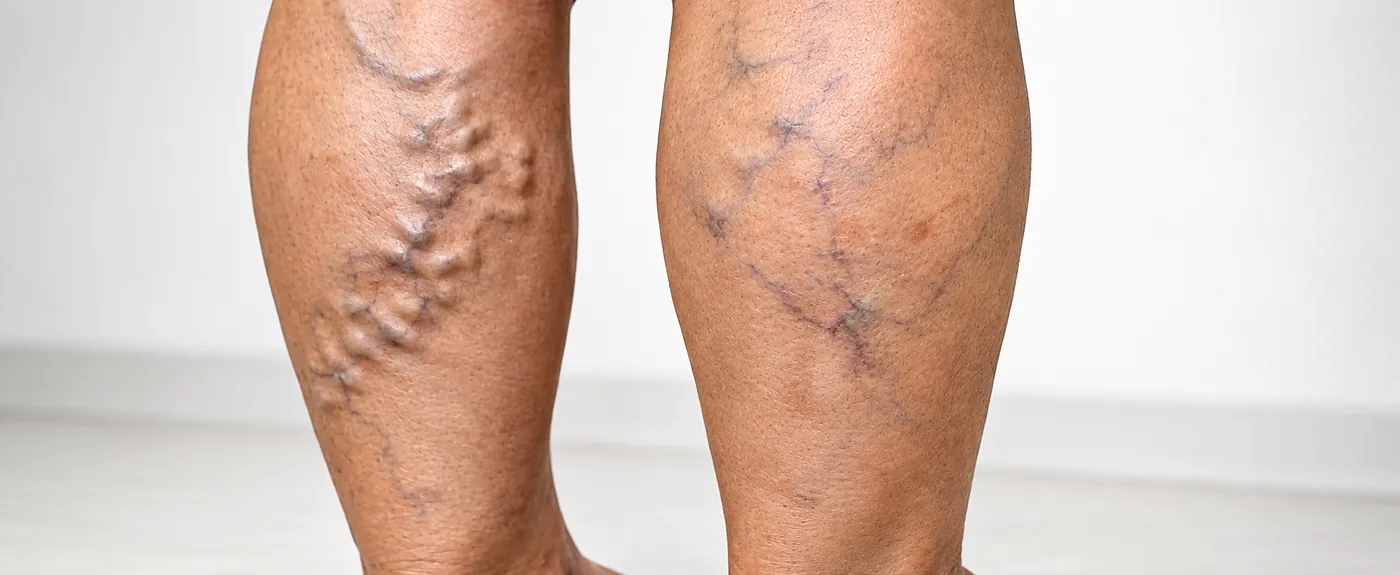
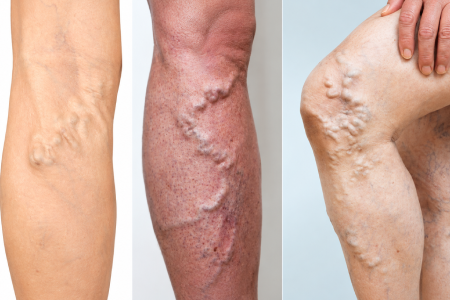
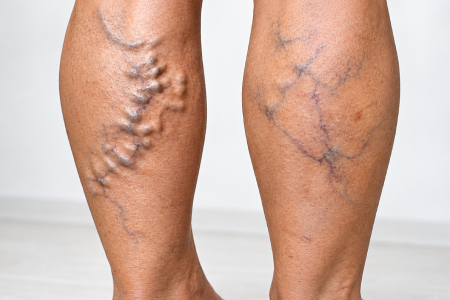
Vascular conditions can be important in foot care because reduced blood flow may contribute to delayed wound healing and increase the risk of complications. Symptoms such as persistent wounds, changes in skin colour, unusual foot temperature, or pain associated with poor circulation may warrant medical evaluation.
Patients considering KM Vascular Clinic should contact the clinic directly to confirm the available consultation services, whether vascular assessment is appropriate for their symptoms, and whether additional wound-care or podiatry services are offered. Dedicated podiatry facilities and treatments should not be assumed without confirmation.
For concerns involving suspected vascular disease, an appropriate assessment can help determine whether further investigations, treatment, or referral is necessary. Patients with urgent symptoms, including a suddenly cold or pale foot or severe sudden pain, should seek emergency care rather than wait for a routine appointment.
Frequently Asked Questions About Podiatric Treatment in Secunderabad
What treatments are available at a podiatric clinic?
Depending on the provider's qualifications and facilities, treatments may include diabetic foot assessments, wound care, heel pain evaluation, corn and callus management, ingrown toenail treatment, infection assessment, footwear advice, orthotic support, and foot deformity management. Vascular or complex conditions may require referral to another specialist.
Which doctor should I consult for foot pain in Secunderabad?
The cause of the pain determines which doctor is best. A podiatrist or orthopaedic specialist may assess many musculoskeletal and structural problems. A vascular specialist may be appropriate when poor circulation is suspected, while a dermatologist may help with certain skin and nail conditions. Severe or unexpected symptoms need to be evaluated by a doctor right away.
Can a podiatric clinic treat diabetic foot ulcers?
Some clinics provide diabetic foot ulcer assessment and treatment, including dressings and pressure offloading. However, availability varies. Ulcers associated with poor circulation, deep infection, or extensive tissue damage may require coordinated specialist care, including vascular assessment.
What treatment is available for persistent heel pain?
Treatment depends on the underlying cause. A clinician may recommend activity modification, stretching exercises, suitable footwear, physiotherapy, or other appropriate treatment. Further examination or imaging may be necessary if an injury or another condition is suspected.
How are corns and calluses treated?
Treatment generally focuses on reducing pressure and friction, improving footwear, and managing thickened skin safely. People with diabetes, reduced sensation, or poor circulation should seek professional advice before attempting removal at home.
Can foot specialists treat ingrown toenails?
Yes, appropriately qualified healthcare professionals can assess ingrown toenails. Management may include conservative nail care or a minor procedure, depending on severity. Signs of infection or recurring problems require medical assessment.
When should a diabetic patient seek foot care?
People with diabetes should arrange regular foot assessments according to their risk level and seek prompt care for new wounds, blisters, swelling, redness, discharge, or colour changes. A suddenly cold, pale, or severely painful foot requires emergency assessment.
Are custom orthotics useful for foot problems?
Custom orthotics may help some patients by improving pressure distribution or supporting particular foot structures. Their usefulness depends on the diagnosis, footwear, and individual needs. A qualified expert should assess their suitability.
What are the warning signs of a foot infection?
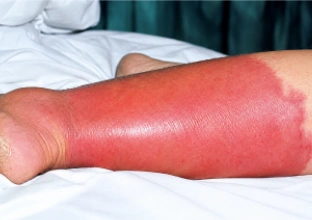
Warning signs include spreading redness, warmth, swelling, discharge, increasing pain, or an unpleasant smell from a wound. A fever or rapidly worsening symptoms could be signs of a serious infection. People with diabetes or poor circulation should seek prompt medical attention, even when pain is limited.
How can I enquire about foot care services at KM Clinic?
Contact KM Vascular Clinic directly to ask about consultations with Dr Ajay B. Mosur, the availability of vascular assessments, and whether your symptoms require a vascular specialist or another type of foot care provider. Confirm the clinic's current services before booking. If you have a non-healing wound or suspected circulation problem, explain your symptoms when enquiring so the clinic can advise on the appropriate next step.