Best Varicose Vein Doctor In Secunderabad
How to Choose the Best Varicose Vein Doctor: Treatment Options & Diagnosis
KM Vascular Clinic helps patients understand vein-related concerns and explore appropriate options for varicose vein evaluation and treatment. Choosing the right Best Varicose Vein Doctor In Secunderabad is an important step toward understanding the cause of visible leg veins, relieving discomfort, and reducing the risk of complications. A qualified vascular specialist can assess your symptoms, recommend suitable diagnostic tests, and explain treatment options based on your individual condition.
If you notice enlarged veins, leg heaviness, swelling, or discomfort after standing for long periods, a medical assessment can help determine whether you have varicose veins or another vein-related problem. This guide explains how to choose a suitable doctor, understand the diagnosis process, compare treatment options, and prepare for your consultation.
What Are Varicose Veins?
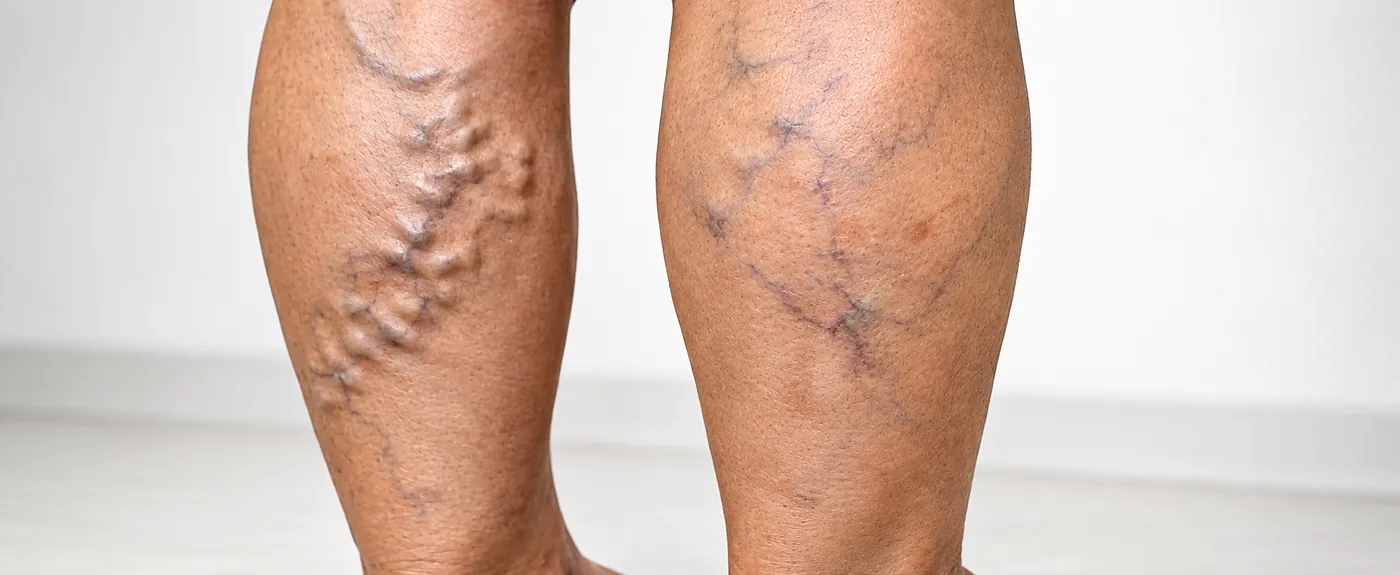
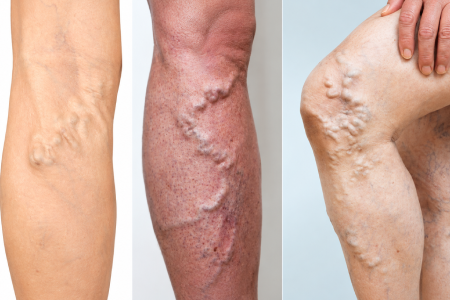
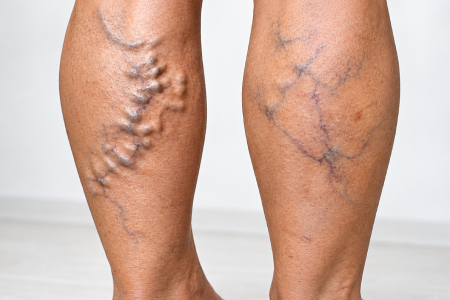
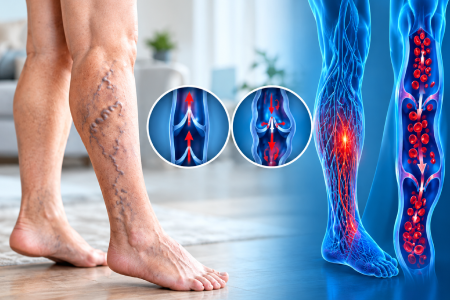
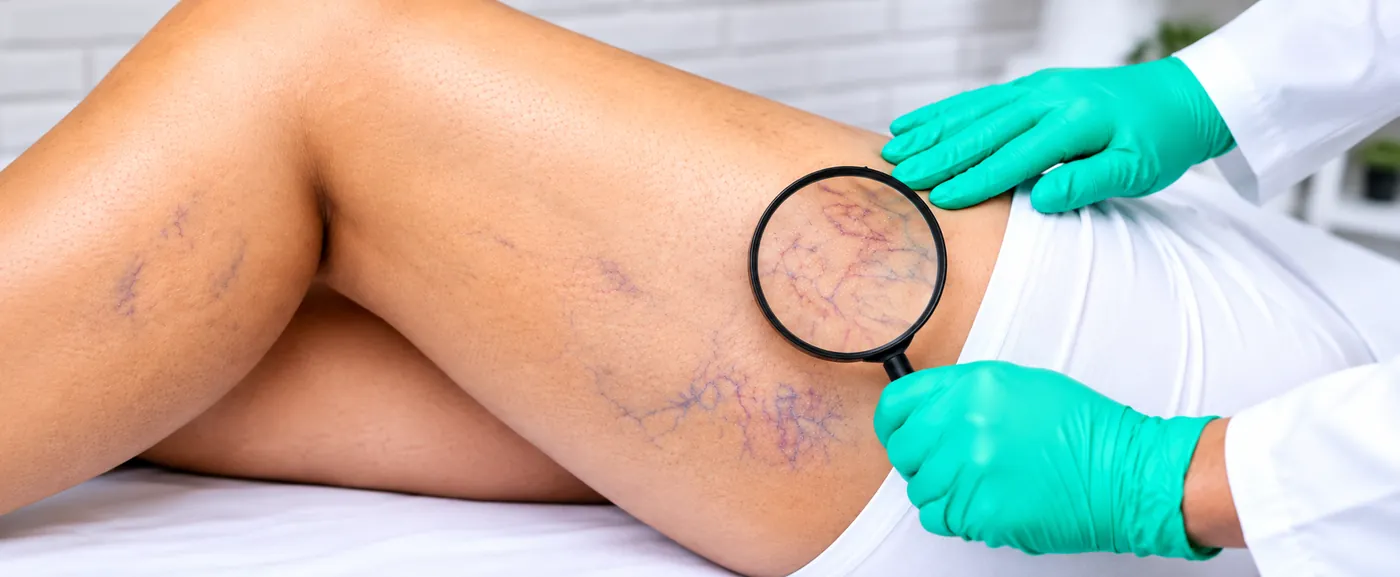
Usually found on the legs, varicose veins are twisted, swollen veins. They develop when the valves inside veins do not function properly, allowing blood to flow backward and collect in the veins. This increases pressure and makes the veins more noticeable or swollen.
Beneath the skin, varicose veins can be blue, purple, or dark. Some people experience only visible veins, while others develop aching, heaviness, itching, swelling, or skin changes.
Best Varicose Vein Doctor In Secunderabad can determine whether the condition requires monitoring, lifestyle changes, compression therapy, or a medical procedure.
What Causes Varicose Veins?
Varicose veins usually develop because of weakened vein walls or valves that do not move blood efficiently toward the heart.
Common contributing factors include:
-
Family history: Having close relatives with varicose veins can increase your likelihood of developing them.
-
Prolonged standing or sitting: Remaining in one position for extended periods can contribute to leg discomfort and poor venous circulation.
-
Age: Vein valves may become less effective as people get older.
-
Pregnancy: Hormonal changes and increased blood volume can contribute to vein enlargement.
-
Previous blood clots: Certain vein problems can affect circulation and require specialist assessment.
-
Hormonal influences: Varicose veins may form or worsen as a result of hormonal changes.
What Common Varicose Vein Symptoms Exist?
Symptoms vary from person to person. Some people have visible veins without discomfort, while others experience symptoms that interfere with daily activities.
Common signs include:
-
Enlarged, twisted veins visible beneath the skin.
-
Aching, throbbing, or heaviness in the legs.
-
Itching or irritation around affected veins.
-
Muscle cramps or a tired feeling in the legs.
-
Skin discoloration or thickening near the ankles.
-
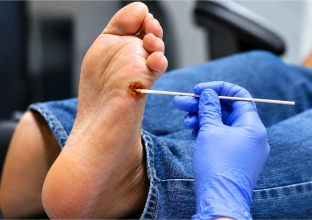
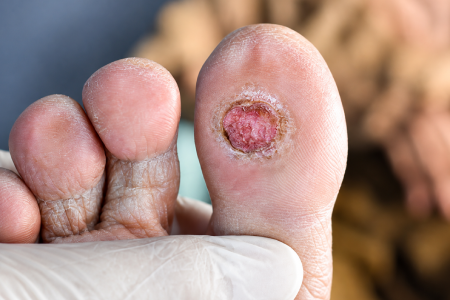
Slow-healing wounds or ulcers around the lower legs.
Who Should Consult a Varicose Vein Doctor?
If you have persistent leg pain, swelling, skin changes, or noticeable veins that worry you, you can benefit from seeing a vascular expert for the best Best Varicose Vein Doctor In Secunderabad
A consultation is particularly important if:
-
You develop skin discoloration near the ankles.
-
Your wound isn't getting better.
-
A varicose vein bleeds.
-
You have a history of deep vein thrombosis or other venous disorders.
-
You want to understand treatment options beyond self-care.
How Are Varicose Veins Diagnosed?
A proper diagnosis helps determine the severity of the condition and whether treatment is necessary.
1. Medical History and Symptom Review
The doctor may ask when your symptoms started, whether they worsen after standing, and whether you have a family history of vein disease, previous blood clots, pregnancy-related vein changes, or earlier treatments.
2. Physical Examination
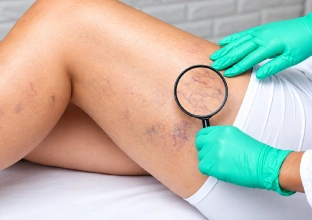
The doctor examines your legs for enlarged veins, swelling, skin changes, tenderness, and signs of possible complications. The assessment may be performed while standing because varicose veins can become more noticeable in this position.
3. Duplex Ultrasound
Duplex ultrasound is a commonly used, non-invasive test for evaluating vein circulation. It combines ultrasound imaging with blood-flow information to help identify backward blood flow, known as venous reflux, and assess the deep and superficial veins.
4. Individual Treatment Assessment
The doctor considers your symptoms, examination findings, ultrasound results, medical history, and preferences before recommending a management plan.
Not everyone with varicose veins requires a procedure. The right approach depends on the clinical findings and how the condition affects your health and quality of life.
What Varicose Vein Treatments Are Available?
Treatment depends on the underlying vein problem, symptom severity, ultrasound findings, general health, and personal preferences.
1. Lifestyle Changes
Lifestyle measures may help manage symptoms, although they do not reliably eliminate existing varicose veins.
Helpful measures include:
-
Walking regularly to support calf-muscle activity.
-
Avoiding prolonged periods of sitting or standing without movement.
-
Elevating your legs when resting, if comfortable.
-
Maintaining a healthy body weight.
-
Taking movement breaks during long journeys.
-
Following the doctor's advice about exercise and daily activities.
2. Compression Stockings
Compression stockings apply controlled pressure to the legs to help manage swelling and discomfort. They may be recommended for symptom relief or in specific clinical situations.
They do not permanently remove varicose veins. The appropriate compression level and fit should be determined with medical guidance, particularly if you have peripheral arterial disease or other circulation problems.
3. Endovenous Laser Ablation
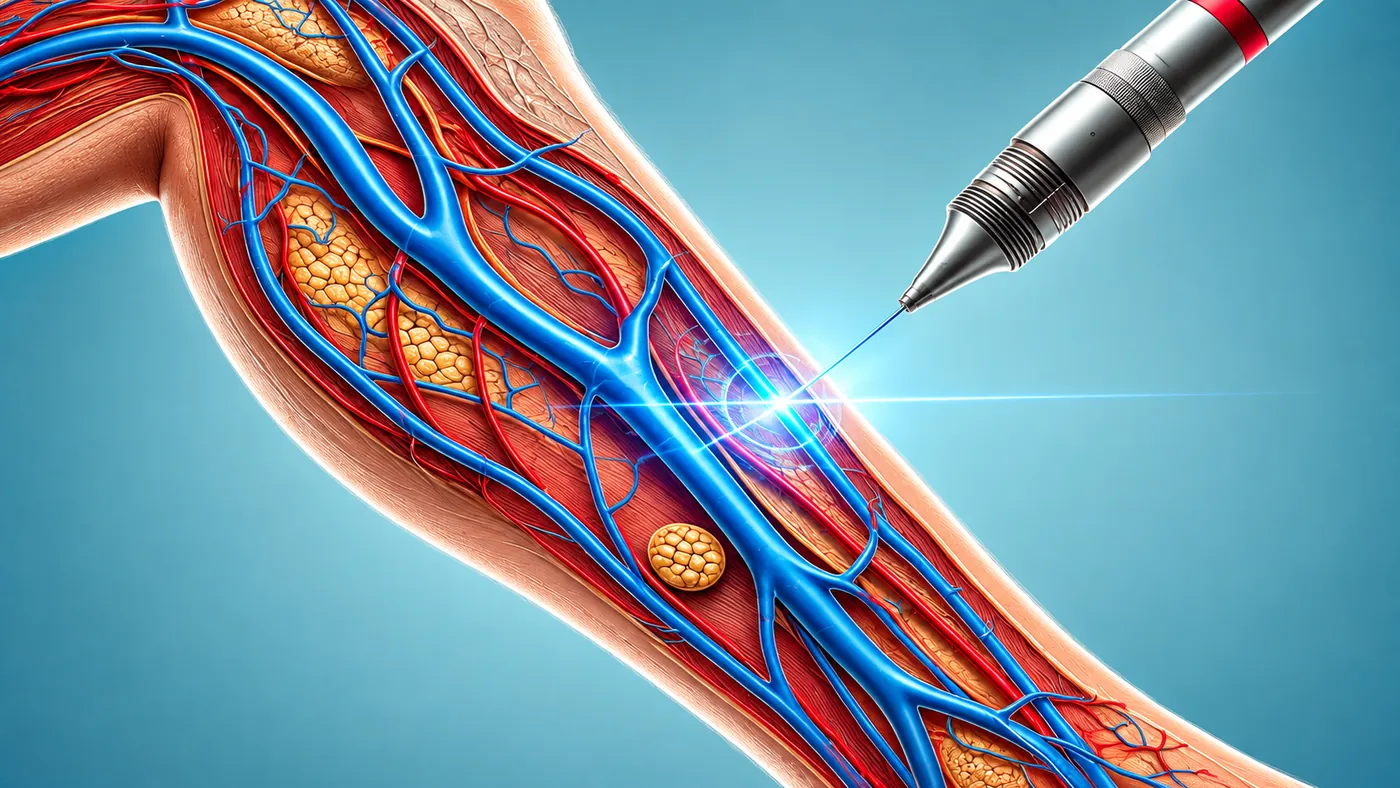
Endovenous laser ablation (EVLA) uses heat delivered through a thin catheter to close a diseased vein. It is generally performed under ultrasound guidance and may be considered when suitable superficial veins have significant reflux.
The doctor will explain the potential benefits, risks, recovery expectations, and suitability for your condition.
4. Sclerotherapy
Sclerotherapy involves injecting a medical solution into selected veins to make them close. The technique and expected results depend on the size and location of the veins being treated.
5. Ambulatory Phlebectomy
Ambulatory phlebectomy removes selected superficial varicose veins through small skin openings. It may be recommended when prominent veins remain suitable for removal after clinical evaluation.
6. Surgical Treatment
Surgical procedures may be considered in particular cases depending on vein anatomy, disease severity, previous treatment, and the availability or suitability of other approaches.
A qualified specialist should explain why a procedure is being recommended and whether alternatives are appropriate.
Key Features of Good Varicose Vein Care
When comparing clinics, look for a patient-care process that includes:
-
Comprehensive assessment: Review of symptoms, medical history, and risk factors.
-
Appropriate diagnostic testing: Access to duplex ultrasound when clinically indicated.
-
Personalized treatment planning: Recommendations based on individual findings rather than a one-size-fits-all approach.
-
Clear communication: Explanations of procedures, alternatives, potential risks, and expected recovery.
-
Follow-up care: Guidance on recovery, symptom monitoring, and further assessment when needed.
-
Safety-focused practice: Appropriate infection control, procedural standards, and referral pathways for complex conditions.
What Are the Benefits of Consulting a Varicose Vein Specialist?
Consulting a suitable specialist can help you understand your condition and choose an appropriate course of action.
Potential benefits include:
-
Accurate assessment: Identifying the likely cause of symptoms and determining whether further testing is needed.
-
Personalized treatment: Matching treatment options to the patient's symptoms and vein anatomy.
-
Symptom management: Exploring ways to reduce aching, heaviness, or swelling.
-
Complication assessment: Identifying skin changes, ulcers, bleeding, or other concerns that require attention.
-
Informed decisions: Understanding the advantages, limitations, and risks of available treatments.
-
Ongoing monitoring: Receiving guidance about recovery and future vein health.
Technical Specifications: Clinical and Diagnostic Considerations
Before selecting a varicose vein treatment, discuss these clinical and diagnostic factors with your doctor:
-
Duplex Ultrasound: Evaluates blood flow, vein anatomy, and abnormal backward blood flow (venous reflux) when indicated.
-
Vein Mapping: Identifies affected veins and helps plan suitable treatment.
-
Treatment Suitability: Depends on vein size, location, reflux, symptoms, and medical history.
-
Procedure Method: May include laser ablation, radiofrequency ablation, sclerotherapy, phlebectomy, or surgery.
-
Anesthesia Requirements: Vary depending on the procedure, patient needs, and clinical setting.
-
Recovery Plan: Includes activity guidance, follow-up appointments, and monitoring for complications.
-
Potential Risks: May include bruising, pain, skin changes, inflammation, nerve injury, or blood clots, depending on the procedure.
Applications: When Is Varicose Vein Assessment or Treatment Needed?
Assessment and treatment may be considered in several clinical situations.
Symptomatic Varicose Veins
People experiencing persistent aching, heaviness, itching, or swelling may benefit from an evaluation to identify the cause and discuss symptom management.
Skin Changes and Venous Ulcers
Darkened, inflamed, or thickened skin around the ankles can be associated with vascular venous disease. Open wounds or suspected venous ulcers require medical assessment.
Bleeding Varicose Veins
A bleeding varicose vein needs prompt medical attention. Apply firm, direct pressure and seek urgent care; if bleeding is severe or does not stop, call emergency services.
Recurrent or Previously Treated Veins
People whose varicose veins return after an earlier procedure may need another assessment to identify the underlying cause and determine suitable next steps.
Cosmetic Concerns
Some patients seek treatment because prominent veins affect their confidence. A consultation can help distinguish cosmetic concerns from symptoms that may indicate a more significant vein problem.
How Can Varicose Veins Be Prevented or Managed?
It is not always possible to prevent varicose veins, particularly when age, pregnancy, or family history contributes to their development. However, certain habits may help manage symptoms and support circulation.
-
Stay active: Walking regularly helps activate the calf muscles, which support blood return from the legs.
-
Change positions frequently: Move around during long periods of sitting or standing.
-
Elevate your legs: Raise your legs while resting if this helps relieve discomfort.
-
Follow medical advice: Use compression stockings or other treatments only as recommended for your needs.
-
Monitor changes: Seek assessment if swelling, pain, skin changes, or wounds develop.
How Do You Choose the Best Varicose Vein Doctor?
Choosing a doctor involves more than comparing advertisements or treatment prices.
1. Check Qualifications and Experience
Look for a doctor with appropriate qualifications and experience in vascular disease and the treatment being considered. Depending on your condition, a vascular surgeon or another suitably trained specialist may be appropriate.
2. Ask About Diagnostic Facilities
Find out whether the clinic can arrange a duplex ultrasound when needed and whether treatment decisions are based on the results of a clinical assessment.
3. Understand the Available Treatments
A good consultation should explain which treatments are suitable for your condition, why they are recommended, and what alternatives exist.
4. Review Follow-Up Arrangements
Choose a clinic that explains how your progress will be monitored and whom to contact if you experience unexpected symptoms after treatment.
5. Compare Costs Transparently
Request a clear estimate that explains consultation fees, ultrasound charges, procedure costs, medications, and follow-up expenses where applicable. Avoid choosing a provider solely because of a low advertised price or a promise of guaranteed results.
6. Consider Accessibility and Communication
If you are looking for a varicose vein doctor in Hyderabad or Secunderabad, consider travel distance, appointment availability, communication, and access to follow-up care. Confirm the clinic's location, services, and appointment details directly before visiting.
Frequently Asked Questions About Varicose Veins
Which Physician Should I See About Varicose Veins?
A vascular surgeon or another appropriately trained vascular specialist can evaluate varicose veins. The right professional depends on your symptoms, medical history, and treatment needs.
Is Duplex Ultrasound Necessary for Varicose Veins?
Duplex ultrasound is commonly used when evaluating symptomatic varicose veins or planning treatment. Based on the results of your examination and the clinical situation, your doctor will decide if it is required.
How Should Varicose Veins Be Treated?
There isn't just one ideal course of action for everyone. Options may include compression therapy, endovenous laser ablation, radiofrequency ablation, sclerotherapy, phlebectomy, or surgery, depending on the findings.
Can Varicose Veins Go Away Without Treatment?
Existing varicose veins generally do not disappear permanently on their own. Lifestyle changes may help manage symptoms, while procedures may close or remove selected affected veins.
Are Varicose Vein Procedures Painful?
Discomfort varies by procedure and individual. Many minimally invasive treatments use local anesthesia, but patients may experience temporary soreness, bruising, or tenderness afterward. Ask your doctor what to expect.
How Long Does Recovery From Varicose Vein Treatment Take?
Recovery depends on the procedure, the number of veins treated, and your general health. Some people resume routine activities quickly after minimally invasive treatment, but your specialist should provide personalized instructions.
When Should I See a Doctor for Varicose Veins?
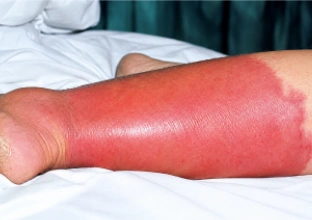
Arrange an assessment for persistent pain, swelling, itching, skin changes, or wounds. Sudden one-sided leg swelling or painful redness needs urgent evaluation, while chest pain or breathing difficulty requires emergency care.
How Do I Choose a Reliable Varicose Vein Clinic in Hyderabad?
Check the doctor's qualifications, experience, diagnostic facilities, treatment options, transparent pricing, and follow-up arrangements. Choose a clinic that explains your diagnosis clearly and supports informed decisions without guaranteeing results.