Best Vascular Surgeon in Secunderabad
Who Is the Best Vascular Surgeon in Secunderabad? Conditions Treated, Symptoms, Diagnosis, and Treatment Options
Choosing the right Best Vascular Surgeon in Secunderabad is an important step when dealing with conditions that affect the arteries, veins, and blood circulation throughout the body. If you are searching for the best vascular surgeon in Secunderabad, it is essential to understand the specialist’s experience, the vascular conditions they manage, the diagnostic facilities available, and the treatment options suitable for your condition.
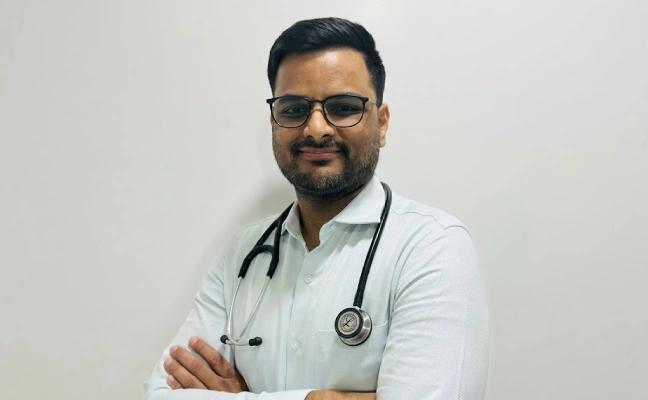
Dr. Ajay B. Mosur at KM Vascular Clinic is a relevant point of contact for people seeking vascular care in the Secunderabad and RTC Cross Roads areas. Patients experiencing symptoms such as leg pain while walking, swollen veins, persistent leg swelling, non-healing wounds, or circulation-related discomfort should consider an appropriate medical evaluation.
Vascular conditions can range from common problems, such as varicose veins, to more serious diseases involving reduced arterial blood flow or blood clots. Early diagnosis can help identify the underlying cause and guide appropriate treatment. The right treatment depends on the patient’s symptoms, medical history, examination findings, and diagnostic test results.
This guide explains how to choose a vascular surgeon in Secunderabad, which conditions require vascular care, how these conditions are diagnosed, and what treatment options may be considered.
Who Is the Best Vascular Surgeon in Secunderabad?
The Best Vascular Surgeon in Secunderabad for an individual patient is a qualified specialist who can accurately assess the condition, explain the available treatment options, and recommend a suitable care plan based on clinical findings. Rather than relying only on online rankings or promotional claims, patients should consider professional qualifications, relevant experience, treatment approaches, communication, and follow-up care.
Dr. Ajay B. Mosur at KM Vascular Clinic is a name patients can consider when exploring vascular consultation in the Secunderabad area. Patients should confirm the clinic’s current consultation details and discuss their specific symptoms directly with the medical team.
What Should You Look for When Choosing a Vascular Surgeon?
Consider the following factors before selecting a vascular specialist:
-
Relevant specialist qualifications: Check the doctor's recognised medical qualifications and training in vascular surgery.
-
Experience with your condition: Ask whether the specialist regularly evaluates conditions such as varicose veins, peripheral artery disease, deep vein thrombosis, or diabetic vascular complications.
-
Diagnostic assessment: Determine whether appropriate clinical examinations and vascular investigations can be arranged.
-
Treatment options: Look for a specialist who explains conservative management, minimally invasive procedures, and surgery when indicated.
-
Clear communication: The doctor should explain the diagnosis, potential benefits, risks, alternatives, and expected recovery.
-
Continuity of care: Follow-up appointments are important for monitoring recovery and managing long-term vascular health.
Patients searching for a vascular surgeon near RTC Cross Roads or Secunderabad should also consider accessibility, appointment availability, and the suitability of the clinic for their treatment needs.
What Does a Vascular Surgeon Treat?
A Best Vascular Surgeon in Secunderabad specialises in diseases affecting blood vessels outside the heart and brain, particularly the arteries and veins. These conditions may interfere with blood flow, cause swelling or pain, increase the risk of blood clots, or affect wound healing.
At KM Vascular Clinic, patients seeking consultation with Dr. Ajay B. Mosur can enquire about the evaluation and management of their particular vascular concerns.
Common conditions requiring vascular assessment include:
-
Varicose veins and vascular venous insufficiency.
-
Peripheral artery disease (PAD).
-
Deep vein thrombosis (DVT).
-
Pulmonary embolism-related vascular concerns.
-
Carotid artery disease.
-
Arteriovenous fistula (AV fistula) assessment and related vascular access concerns.
-
Vascular complications associated with diabetes.
-
Poor circulation and non-healing wounds.
-
Selected vascular infections and complications requiring specialist evaluation.
The condition determines the right specialist and treatment environment. For example, suspected pulmonary embolism requires urgent hospital assessment rather than a routine outpatient appointment.
What Are the Common Symptoms of Vascular Diseases?
Vascular diseases may develop gradually or appear suddenly. While some patients have minor discomfort at first, others develop symptoms that need to be treated right away. Recognising these warning signs can help patients seek appropriate care without unnecessary delays.
Symptoms That May Indicate a Vascular Problem
-
Leg pain while walking: Cramping or aching that repeatedly occurs during walking and improves with rest may indicate peripheral artery disease.
-
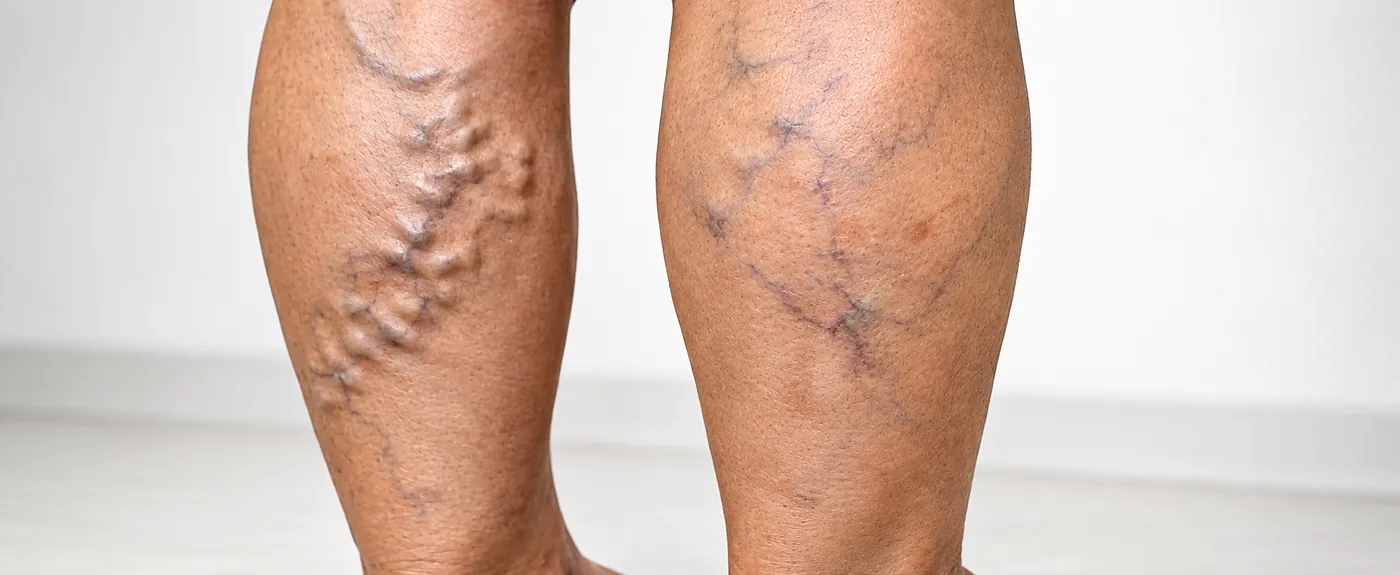
Swollen or bulging veins: Visible, twisted veins accompanied by heaviness, itching, or discomfort may indicate varicose veins.
-
Persistent leg swelling: Swelling, particularly when associated with skin changes or discomfort, may be related to venous insufficiency or a blood clot.
-
Cold feet or changes in skin colour: Reduced arterial circulation can cause coldness, pale or bluish skin, and other circulation-related changes.
-
Non-healing wounds: Foot or leg wounds that heal slowly may be associated with poor circulation, diabetes, infection, or pressure damage.
-
Numbness or tingling: These symptoms can have several causes, including nerve problems and reduced circulation, and require assessment when persistent.
-
Skin darkening around the ankles: This may occur with vascular venous insufficiency.
-
Sudden severe limb pain: Abrupt pain with a cold, pale, numb, or weak limb may indicate acute loss of blood supply.
Not every symptom indicates vascular disease. A clinical examination helps distinguish circulation problems from muscle, joint, nerve, and other medical conditions.
When Should You Seek Emergency Medical Care?
Some vascular symptoms should never wait for a routine consultation.
-
Sudden, severe limb pain accompanied by coldness, pallor, numbness, or weakness requires emergency assessment.
-
New one-sided leg swelling and pain may indicate deep vein thrombosis and require urgent evaluation.
-
A pulmonary embolism may be indicated by sudden dyspnea, chest pain, fainting, or blood in the cough. Seek emergency care immediately.
-
Sudden facial drooping, difficulty speaking, loss of vision, or weakness on one side of the body may indicate a stroke. Call emergency services.
-
A rapidly worsening foot wound with spreading redness, fever, blackened tissue, or severe pain requires urgent medical attention.
Which Vascular Conditions Require Specialist Treatment?
1. Varicose Veins
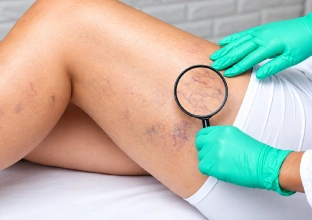
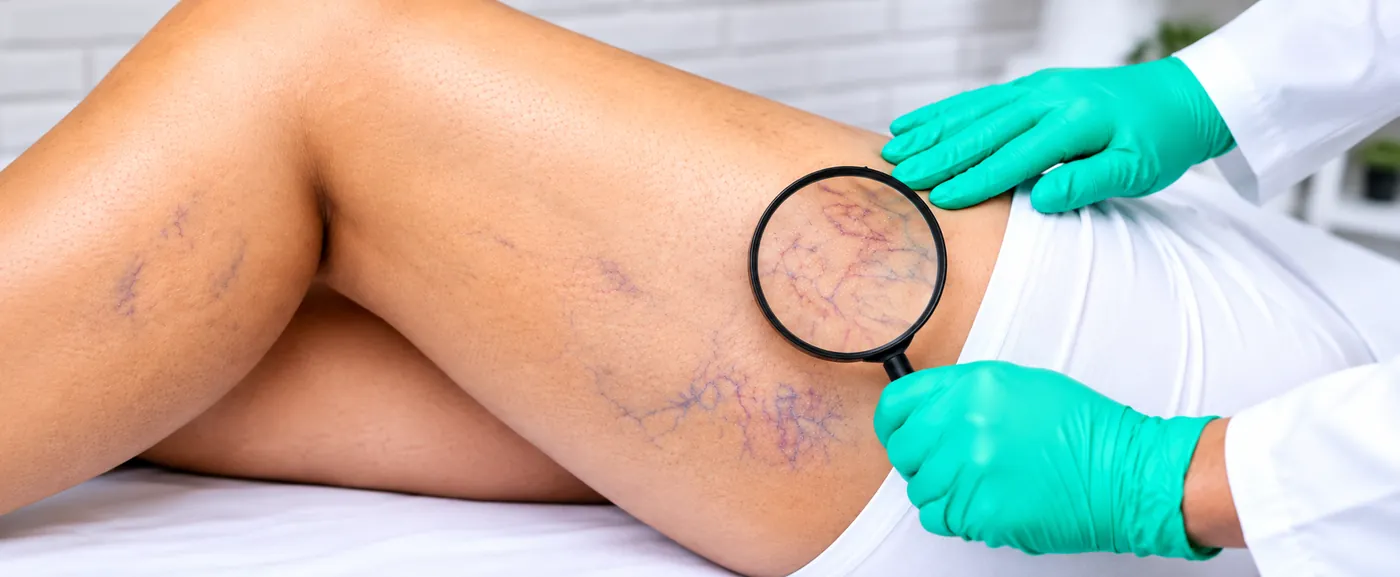
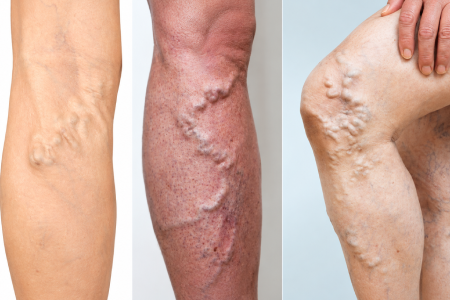
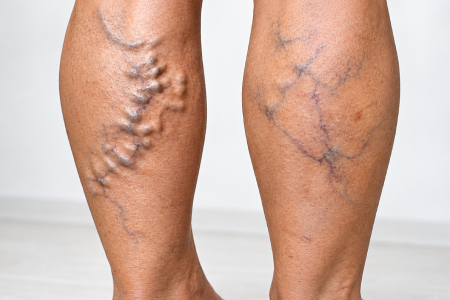
Varicose veins develop when superficial veins become enlarged and twisted, often because their valves do not work effectively. Blood can accumulate in the legs, causing discomfort and visible veins. Prolonged sitting or standing may exacerbate symptoms.
Common symptoms include:
-
Prominent blue or purple veins.
-
Leg heaviness, aching, or burning.
-
Ankle swelling and nighttime cramps.
-
Itching or darkened skin around the ankles.
-
In advanced cases, skin ulcers or bleeding.
Treatment options:
-
Lifestyle changes, including regular movement and avoiding prolonged immobility.
-
Compression stockings when recommended by a clinician.
-
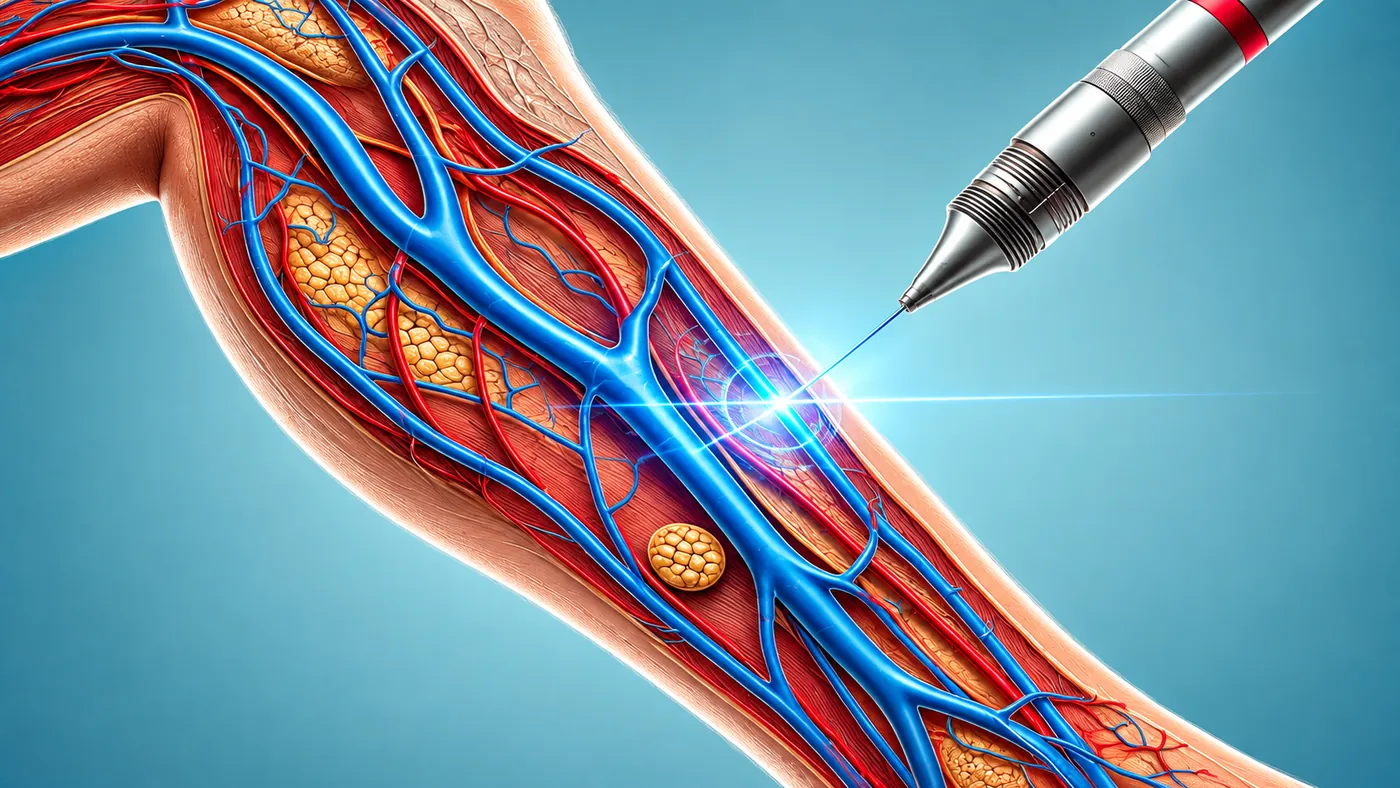
Endovenous laser or radiofrequency ablation.
-
Foam sclerotherapy or medical adhesive closure in selected patients.
-
Surgery or other vein procedures when clinically indicated.
A vascular specialist may recommend a venous duplex ultrasound to identify abnormal blood flow and determine which treatment is appropriate. Not every patient requires surgery.
2. Peripheral Artery Disease (PAD)
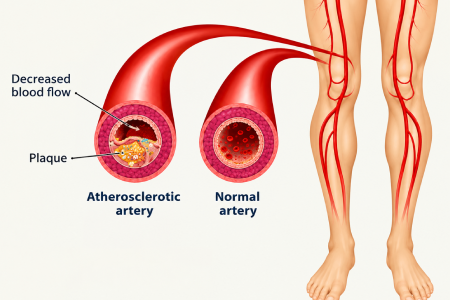
Peripheral artery disease occurs when arteries supplying the legs become narrowed, often because of atherosclerosis. This reduces blood flow to the muscles and tissues and can affect walking ability and wound healing.
Symptoms of PAD may include:
-
Cramping in the calves, thighs, or buttocks during walking.
-
Pain that improves with rest.
-
Coldness or colour changes in the feet.
-
Weak pulses in the legs or feet.
-
Foot wounds that do not heal.
-
Pain at rest in advanced disease.
Smoking, diabetes, high blood pressure, abnormal cholesterol levels, and increasing age can increase the risk of PAD.
Treatment options may include:
-
Smoking cessation and risk-factor management.
-
A structured walking programme under appropriate medical guidance.
-
Medicines to manage cholesterol, blood pressure, diabetes, or cardiovascular risk.
-
For certain patients, angioplasty and stenting can enhance blood flow.
-
Surgical bypass when an appropriate blockage requires it.
Sudden deterioration in circulation is an emergency. Early assessment is particularly important for patients with diabetes or persistent foot wounds.
3. Deep Vein Thrombosis (DVT)
When a blood clot forms in a deep vein, usually in the leg, it is known as deep vein thrombosis. A potentially fatal pulmonary embolism could result from the clot obstructing blood flow and, in certain situations, traveling to the lungs.
Possible symptoms include:
-
Swelling in one leg.
-
Calf or thigh pain and tenderness.
-
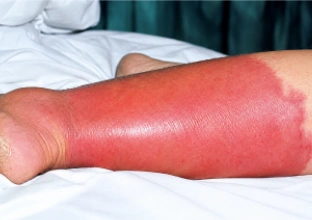
Warmth or redness in the affected area.
-
Unexplained discomfort or tightness.
Some people have few noticeable symptoms, so diagnosis cannot rely on appearance alone.
Treatment options include:
-
Anticoagulant medicines to prevent the clot from growing and reduce the risk of further clots.
-
medical observation and evaluation of the root cause.
-
Selected clot-removal or catheter-based treatments for particular patients.
-
Follow-up to evaluate complications and recurrence risk.
Suspected DVT requires prompt medical evaluation. Do not massage a newly swollen, painful leg or start blood-thinning medicines without medical advice.
4. Vascular Venous Insufficiency (CVI)
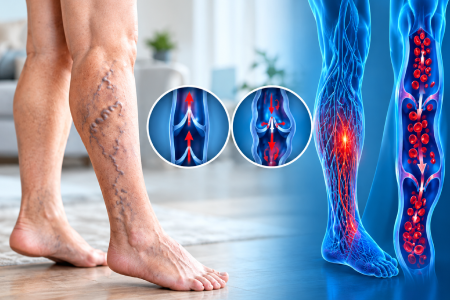
Vascular venous insufficiency occurs when veins cannot return blood efficiently towards the heart. Persistent pressure in the leg veins may lead to swelling, skin changes, discomfort, and venous ulcers.
Common symptoms include:
-
Heaviness and aching in the legs.
-
Ankle swelling, especially after standing.
-
Brownish skin discolouration.
-
Itching or irritation around the lower legs.
-
Open wounds near the ankles.
Treatment options may include leg elevation, appropriate physical activity, clinician-recommended compression therapy, treatment of underlying venous reflux, and wound care. Selected patients may benefit from vein ablation or other procedures.
5. Carotid Artery Disease
Carotid artery disease develops when the arteries supplying blood to the brain become narrowed, commonly because of plaque buildup. It might make stroke more likely.
Warning signs can include sudden weakness, speech difficulties, temporary loss of vision, or facial drooping. These symptoms require emergency assessment, even if they disappear quickly.
Treatment depends on the degree of narrowing, symptoms, and overall stroke risk. Options may include medicines, management of cardiovascular risk factors, and carotid endarterectomy or stenting for appropriately selected patients.
6. Diabetic Foot and Vascular Complications
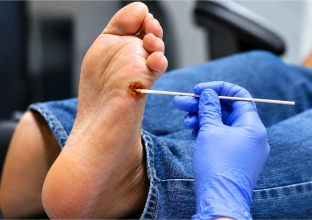
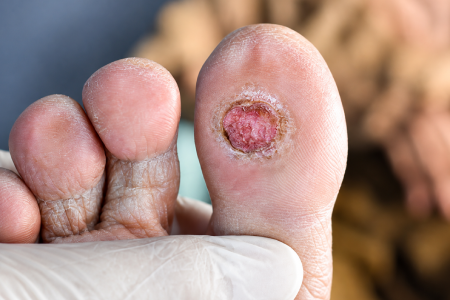
Diabetes increases the risk of foot injuries, infections, ulcers, and delayed healing because it can cause nerve damage and decreased circulation. It may be challenging to detect an injury due to diminished sensation.
Patients should seek medical assessment for:
-
Persistent foot wounds or ulcers.
-
Blackened tissue or unusual colour changes.
-
Increasing redness, warmth, swelling, or discharge.
-
A cold foot or sudden changes in sensation.
-
Wounds that are not improving.
Treatment may involve blood-glucose management, wound care, infection treatment, assessment of blood supply, and revascularisation when appropriate. Early intervention may help preserve tissue and reduce the risk of severe complications.
7. Arteriovenous Fistula (AV Fistula) Problems
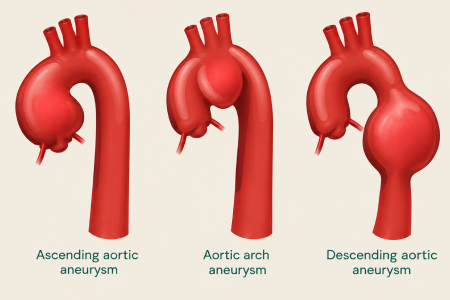
An arteriovenous fistula is a connection between an artery and a vein, often created to provide access for haemodialysis. A fistula may develop narrowing, clotting, aneurysmal changes, or reduced function.
Warning signs include reduced vibration over the access, difficulty during dialysis, prolonged bleeding after needle removal, or swelling of the arm. Sudden loss of the fistula's usual vibration warrants urgent contact with the dialysis team.
Depending on the problem, treatment may involve fistula assessment, angioplasty, surgical revision, or another access-related procedure.
How Are Vascular Diseases Diagnosed?
Accurate diagnosis helps a vascular surgeon determine whether symptoms are caused by arterial disease, venous problems, blood clots, or another condition. The specialist usually goes over the patient's medical history, symptoms, risk factors, and prior investigations during a consultation.
Depending on the suspected condition, diagnostic tests may include:
-
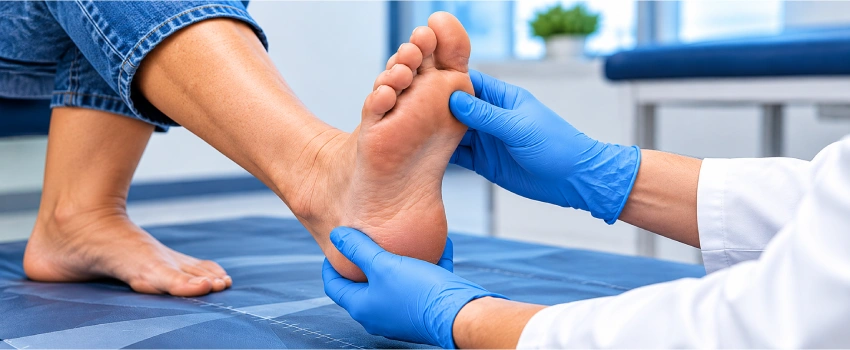
Physical examination: The doctor checks swelling, skin changes, wounds, temperature, and pulses.
-
Doppler ultrasound: Uses sound waves to assess blood flow and identify certain blockages, abnormal vein function, or blood clots.
-
Ankle-Brachial Index (ABI): Compares blood pressure at the ankle and arm to help assess peripheral artery disease.
-
CT angiography: Produces detailed images of blood vessels and may help plan treatment for arterial narrowing or aneurysms.
-
MR angiography: Provides vascular images in selected situations when additional anatomical information is required.
-
Blood tests: May help assess diabetes, cholesterol, kidney function, infection, or other factors relevant to treatment.
Not every patient needs every test. The choice depends on the symptoms, examination findings, suspected disease, and medical history.
What Treatment Options Does a Vascular Surgeon Offer?
Vascular treatment is selected according to the type and severity of disease, the patient's overall health, and the expected benefits and risks.
Conservative and Medical Management
Some conditions can initially be managed without a procedure. Treatment options may vary based on the diagnosis:
-
Lifestyle changes and smoking cessation.
-
Medicines to manage cardiovascular risk factors.
-
Anticoagulants for appropriate blood-clot conditions.
-
Compression therapy for selected venous disorders.
-
Structured exercise and wound-care programmes.
-
Regular monitoring and follow-up.
Minimally Invasive Endovascular Procedures
Endovascular treatments use catheters and imaging guidance to treat selected blood vessel problems from inside the vessel. Depending on the condition, procedures may include angioplasty, stenting, endovenous ablation, or selected clot-removal techniques.
These procedures may offer advantages for suitable patients, but their risks, recovery requirements, and effectiveness depend on the individual case.
Open Vascular Surgery
Open surgery may be appropriate when a vascular condition cannot be treated adequately with medication or a minimally invasive procedure. Examples include selected bypass operations, carotid endarterectomy, and surgical repair of certain aneurysms.
A vascular surgeon should explain why a particular procedure is recommended, what alternatives are available, and what recovery and follow-up may involve.
Why Consider KM Vascular Clinic for Vascular Consultation in Secunderabad?
Patients looking for a Best Vascular Surgeon in Secunderabad can consider Dr. Ajay B. Mosur at KM Vascular Clinic when exploring care for arterial and venous conditions.
When choosing a clinic, patients should look for an individualised approach that includes:
-
Assessment of symptoms and relevant medical history.
-
Appropriate investigation of circulation problems.
-
Discussion of medical, minimally invasive, and surgical treatment options.
-
Clear explanations of the expected benefits, limitations, and risks.
-
Follow-up planning based on the diagnosed condition.
The appropriate care pathway depends on the patient's clinical needs. Patients should confirm current consultation arrangements and available services directly with the clinic before visiting.
FAQs
Who is the best vascular surgeon in Secunderabad?
The right vascular surgeon depends on the patient's condition, the doctor's specialist qualifications and experience, and the treatment required. Dr. Ajay B. Mosur is a vascular and endovascular surgeon associated with vascular care in Secunderabad. Patients should review his current professional profile and confirm consultation details before booking.
When should I consult a vascular surgeon?
Consult a vascular specialist for persistent leg pain while walking, varicose veins with discomfort, unexplained leg swelling, circulation problems, non-healing foot wounds, or a suspected vascular condition. Sudden severe symptoms require emergency assessment rather than a routine appointment.
Can varicose veins be treated without surgery?
Yes. Depending on the severity and underlying vein problem, management may include activity changes, compression therapy, sclerotherapy, laser ablation, radiofrequency ablation, or adhesive closure. The appropriate option is determined after clinical assessment and, when indicated, ultrasound imaging.
Which test is commonly used to diagnose vascular problems?
Doppler ultrasound is commonly used to evaluate blood flow in veins and arteries. Other tests, such as the ankle-brachial index, CT angiography, or MR angiography, may be recommended according to the suspected condition.
Is leg pain while walking a sign of poor circulation?
It can be. Repeated cramping or aching during walking that improves with rest may indicate peripheral artery disease. However, muscle, joint, and nerve conditions can cause similar symptoms, so a proper medical assessment is important.
Are vascular procedures always necessary?
No. Some vascular conditions can be managed with medication, lifestyle changes, monitoring, compression therapy, or wound care. Procedures are considered when the condition, symptoms, or risk of complications makes intervention appropriate.
Can diabetes cause vascular problems in the feet?
Yes. Diabetes can contribute to arterial disease and nerve damage, increasing the risk of foot ulcers, infection, and delayed wound healing. Regular foot checks and early assessment of wounds are important.
How can I arrange a consultation with Dr. Ajay B. Mosur?
Patients can check the current contact details and appointment options listed by KM Vascular Clinic or the doctor's verified hospital profile. Confirm the consultation location, timings, and any required reports before visiting.