Vascular Surgeon Near Me Secunderabad
Where Can You Find a Vascular Surgeon in Secunderabad for Varicose Veins and Poor Circulation?
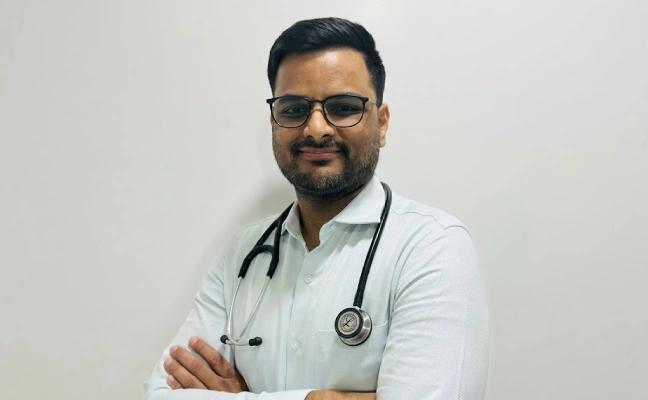
If you are looking for a vascular surgeon in Secunderabad for varicose veins, leg swelling, poor blood circulation, or non-healing wounds, KM Vascular Clinic is a relevant option to explore for vascular consultation. The clinic’s published website identifies Dr. Ajay B. Mosur as a vascular and endovascular surgeon and lists services related to varicose veins, peripheral artery disease (PAD), deep vein thrombosis (DVT), and diabetic foot management. Patients can ask about the availability of consultations and the best way to evaluate their symptoms.
The arteries and veins that transport blood throughout the body are impacted by vascular disorders. Early assessment can help identify the cause of persistent leg discomfort, swelling, visible veins, or changes in foot circulation. The underlying condition, its severity, and the patient's general health all influence the appropriate course of treatment.
Where Can You Find a Vascular Surgeon in Secunderabad?
Patients searching for a Vascular Surgeon Near Me Secunderabad, can explore KM Vascular Clinic and enquire about consultations for vein-related problems and circulation concerns. The clinic's published website provides information about vascular treatments and Dr. Ajay B. Mosur's qualifications.
Contact information published online:
-
Clinic/website: KM Vascular Clinic
-
Website: https://kmvascularclinic.com/
-
Listed contact number: +91 97643 42999
-
Listed email: kmcliniccare@gmail.com
The publicly available website does not provide a comprehensive, independently verified street address for RTC Crossroads or attest to the availability of all services listed there. Contact the clinic before travelling to confirm its current consultation address, appointment timings, availability of Dr. Ajay B. Mosur, and booking procedure.
When enquiring, explain whether you have visible varicose veins, pain while walking, persistent swelling, a diabetic foot wound, or another circulation-related concern. This helps the clinic direct your enquiry appropriately.
What Does a Vascular Surgeon Treat?
When necessary, a Vascular Surgeon Near Me Secunderabad can perform minimally invasive and surgical procedures to treat disorders affecting blood vessels outside of the heart and brain. Clinical evaluation, diagnostic imaging, medicine, wound care, and procedures to enhance blood flow are all examples of vascular care.
Common conditions include:
-
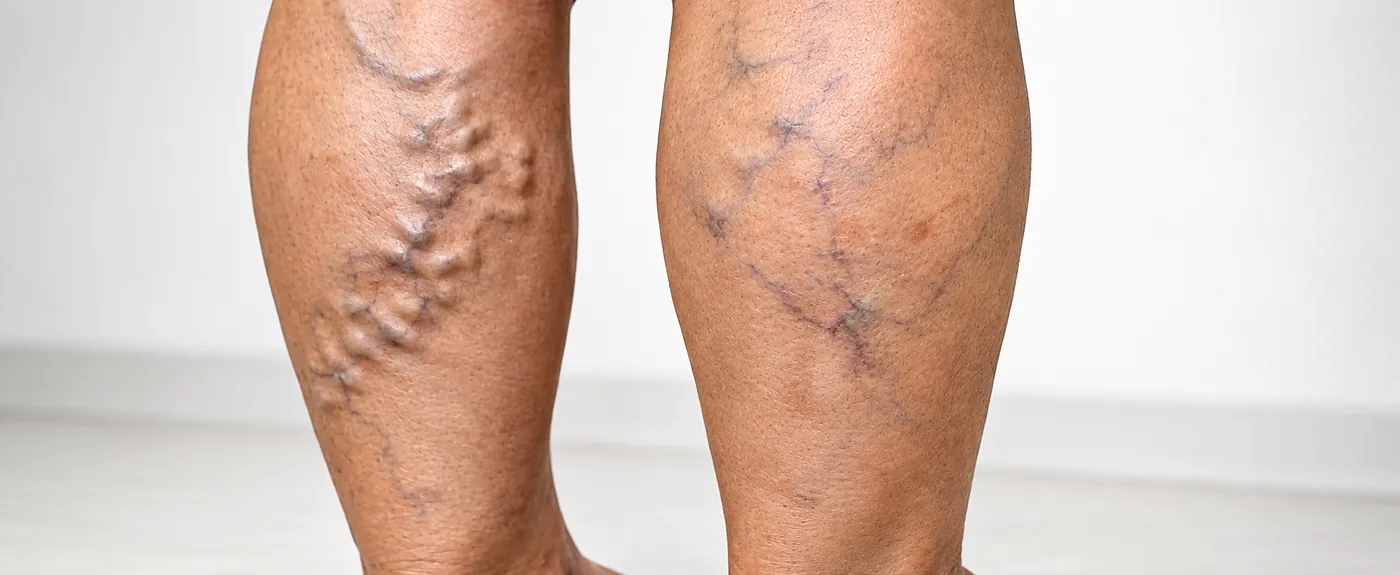
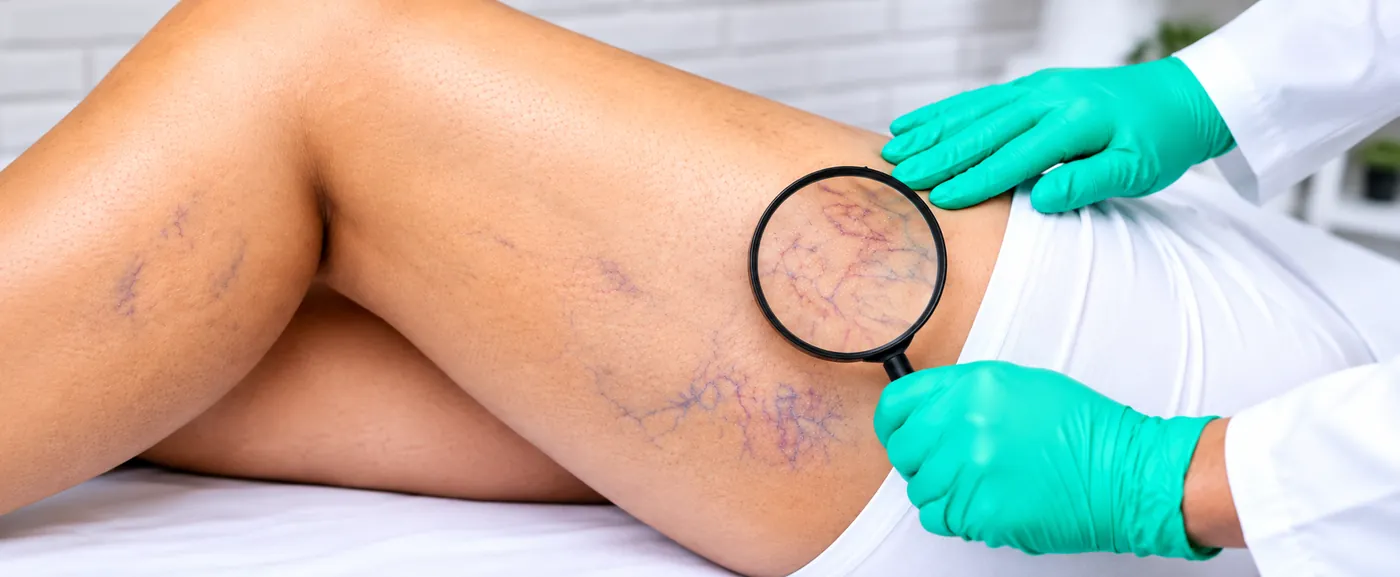
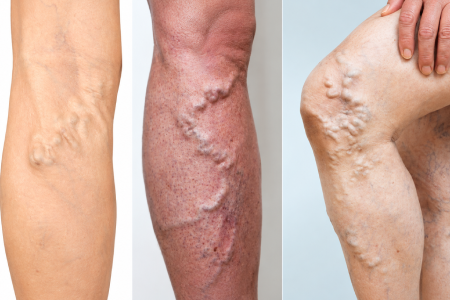
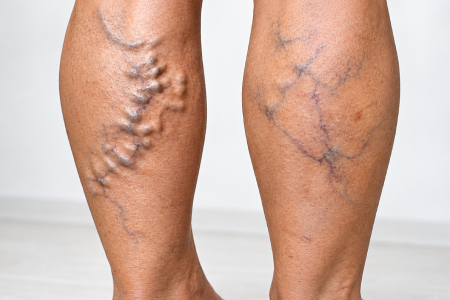
Varicose Veins: Enlarged, twisted veins, usually in the legs, that may cause aching, heaviness, swelling, or skin changes.
-
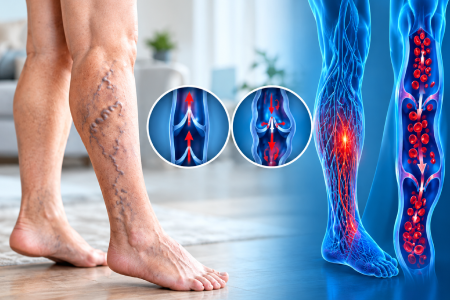
Vascular Venous Insufficiency (CVI): A condition in which veins struggle to return blood efficiently to the heart, potentially causing swelling and skin changes.
-
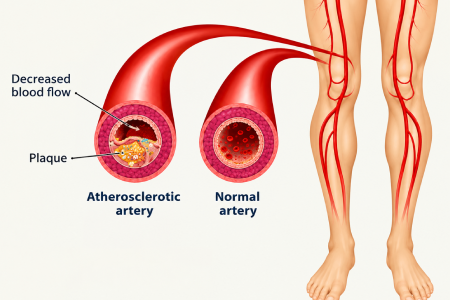
Peripheral Artery Disease (PAD): Narrowing of arteries that reduces blood flow to the legs and feet.
-
Deep Vein Thrombosis (DVT): A blood clot in a deep vein, commonly in the leg, that can cause serious complications.
-
Arterial Blockages: Narrowed or obstructed arteries that may cause pain, reduced circulation, and tissue damage.
-
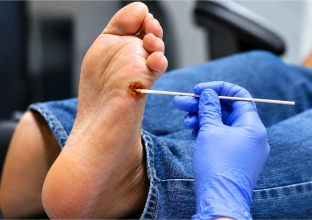
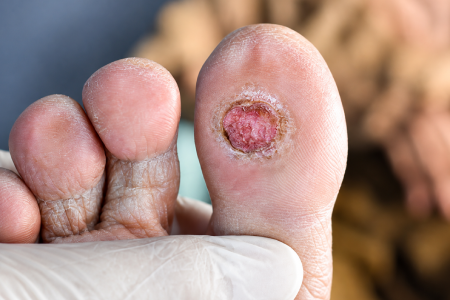
Diabetic Foot Ulcers: Foot wounds in people with diabetes that may be complicated by nerve damage, reduced circulation, or infection.
-
Non-Healing Vascular Wounds: Wounds that remain open because of inadequate blood supply, venous disease, or other medical problems.
A vascular surgeon determines whether symptoms are caused by a vascular condition or another health problem and recommends appropriate investigations or treatment.
What Are the Symptoms of Varicose Veins?
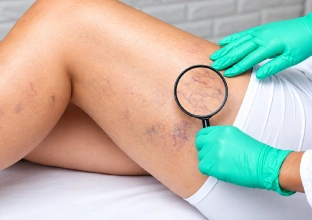
Varicose veins develop when veins become enlarged and twisted, often because their valves do not efficiently prevent blood from flowing backwards. Blood may collect in the legs, particularly after prolonged standing or sitting.
Common symptoms include:
-
Enlarged, twisted, or visibly bulging leg veins.
-
Aching, heaviness, or tiredness in the legs.
-
Swelling around the ankles, especially later in the day.
-
Itching, burning, or discomfort around affected veins.
-
Skin discoloration close to the ankles, such as darkening.
-
Skin thickening or venous ulcers in advanced cases.
Some people have visible veins without significant discomfort, while others experience symptoms even when changes are less obvious. Before choosing a course of treatment, a medical evaluation is crucial because similar symptoms can also be caused by other conditions.
What Leads to Inadequate Blood Flow in the Legs?
Poor circulation is a general description rather than a specific diagnosis. The underlying problem may involve arteries, veins, diabetes-related complications, or other medical conditions.
Peripheral artery disease develops when fatty deposits narrow arteries and reduce blood flow to the legs. Patients may experience cramping or pain while walking that improves after resting. Advanced disease can cause pain at rest or wounds that do not heal.
Vascular venous insufficiency occurs when blood does not return efficiently through the leg veins. It can cause ankle swelling, heaviness, varicose veins, and skin changes.
Diabetes-related vascular complications can affect circulation and increase the risk of foot ulcers. Diabetes may also damage nerves, reducing sensation and allowing injuries to go unnoticed.
Other conditions, including blood clots and certain neurological or musculoskeletal problems, can cause similar symptoms.
Possible warning signs include cold feet, numbness, skin colour changes, leg pain during walking, and slow-healing wounds. These symptoms do not automatically mean vascular disease, but persistent or worsening symptoms warrant medical evaluation.
When Should You Consult a Vascular Surgeon?
Consider a vascular consultation if you experience:
-
Persistent leg swelling or heaviness.
-
Visible varicose veins accompanied by pain or itching.
-
Recurrent leg pain while walking.
-
Changes in the colour or texture of the skin around the ankles.
-
Slow-healing wounds on the feet or legs.
-
Repeated foot problems associated with diabetes.
-
A previous DVT or a diagnosed circulation disorder requiring follow-up.
Know the difference between routine and emergency care. Persistent varicose veins or stable leg discomfort can generally be assessed through a scheduled consultation. However, sudden severe limb pain, a suddenly cold or pale foot, or new weakness or loss of sensation requires immediate emergency assessment because these can indicate acute loss of blood flow.
Sudden breathlessness or chest pain, particularly when accompanied by possible DVT symptoms such as new one-sided leg swelling, may indicate a pulmonary embolism. Instead of waiting for a regular appointment, seek emergency medical attention right away.
How Does a Vascular Surgeon Diagnose Varicose Veins and Poor Circulation?
The diagnostic process depends on the symptoms and the suspected vascular condition. A Vascular Surgeon Near Me Secunderabad may recommend the following steps:
-
Medical history: Your symptoms, their onset, any pertinent medical conditions, medications, prior blood clots, and, if relevant, your family history are all reviewed by the doctor.
-
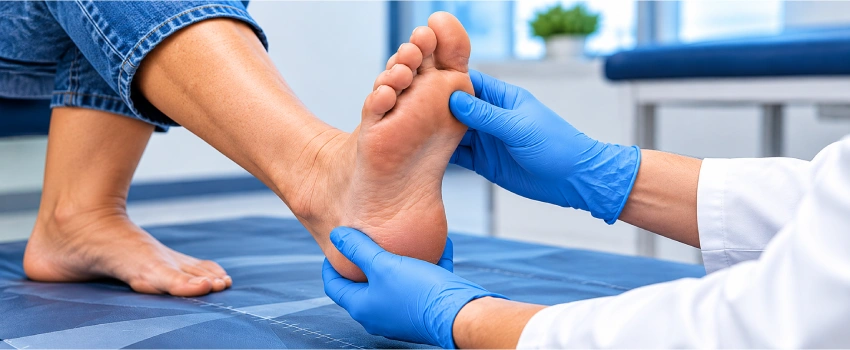
Physical examination: The legs and feet are examined for visible veins, swelling, wounds, skin changes, and other abnormalities.
-
Circulation assessment: The doctor may check pulses, limb temperature, skin appearance, and other clinical signs.
-
Doppler or duplex ultrasound: Ultrasound can assess blood flow and help identify venous reflux, blood clots, or other vascular abnormalities, depending on the examination.
-
Additional tests when needed: An ankle-brachial index, blood tests, or further vascular imaging may be appropriate for selected patients.
Not everyone needs every test. The doctor chooses investigations based on the clinical findings and the condition being considered.
What Treatments Are Available for Varicose Veins?
Varicose vein treatment aims to relieve symptoms, manage complications, and address abnormal blood flow when necessary. Treatment options vary according to the severity of the condition and ultrasound findings where indicated.
-
Lifestyle changes and movement: Regular walking, avoiding prolonged immobility, and taking movement breaks may help manage symptoms.
-
Leg elevation: Raising the legs while resting can reduce venous swelling in some patients.
-
Compression therapy: Properly selected compression stockings may help reduce swelling and discomfort. Medical advice is important, particularly if arterial disease is suspected.
-
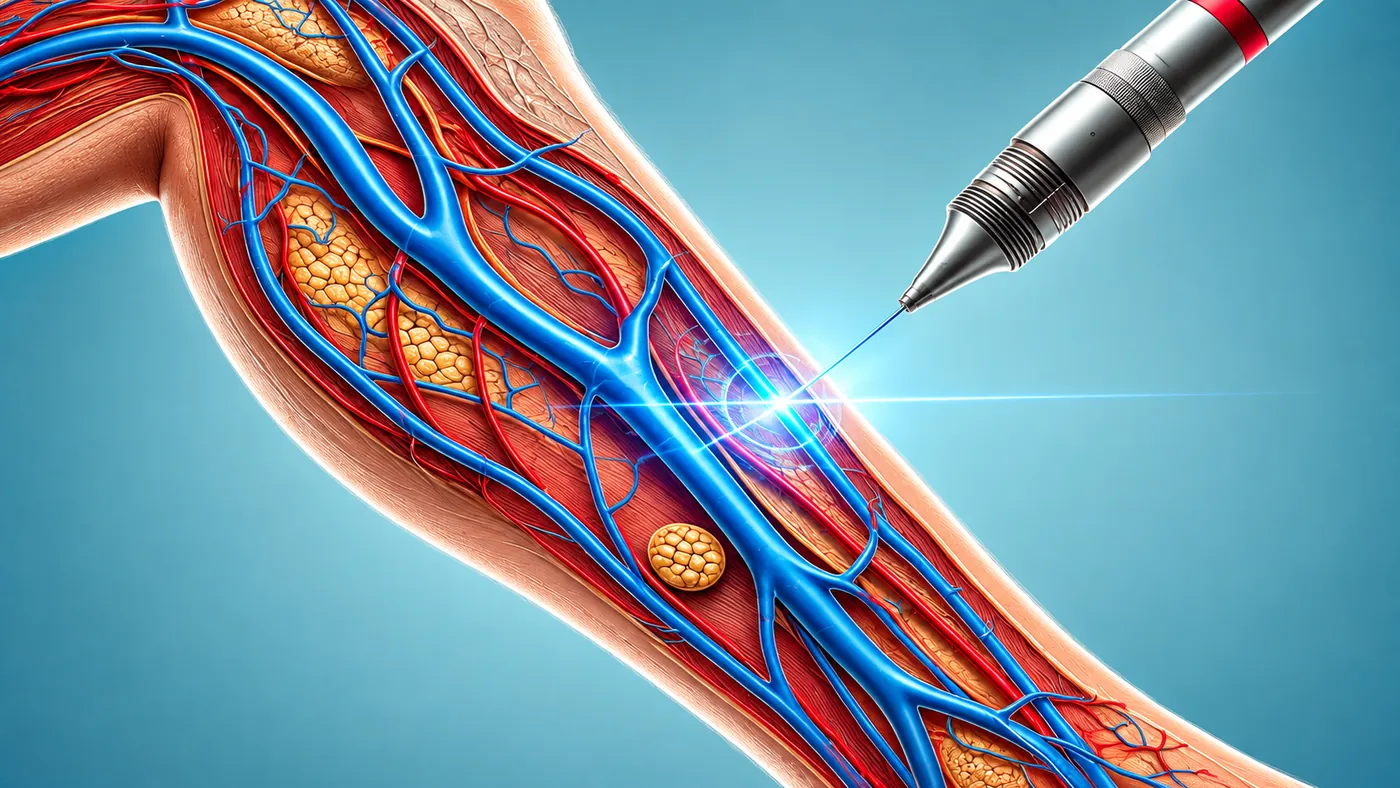
Endovenous procedures: Selected patients may benefit from minimally invasive treatments such as endovenous laser ablation or radiofrequency ablation.
-
Sclerotherapy and other vein treatments: In suitable cases, a clinician may use injections or other techniques to close targeted veins.
-
Surgical treatment: Surgery may be considered when clinically appropriate, depending on the vein problem and the available alternatives.
Not every patient requires surgery, laser treatment, or another procedure. A vascular assessment helps establish whether conservative management or an intervention is appropriate.
What Treatments Help Poor Blood Circulation?
Treatment for poor blood circulation depends on whether the problem involves arterial blockages, venous disease, blood clots, diabetes-related complications, or another condition.
Common approaches include:
-
Risk-factor management: Managing diabetes, blood pressure, and cholesterol, stopping smoking, and following an appropriate activity plan can help reduce vascular risks.
-
Prescribed medicines: Depending on the diagnosis, a doctor may prescribe medicines to manage risk factors, reduce clotting risks, or treat specific vascular conditions.
-
Wound care: Diabetic foot ulcers and other non-healing wounds may require professional wound care, pressure reduction, infection management, and assessment of blood supply.
-
Angioplasty and stenting: Selected patients with significant arterial narrowing may benefit from procedures that widen the affected blood vessel.
-
Vascular surgery: In some cases, surgery may be required to bypass a blockage or restore blood flow.
Compression therapy should not be started without medical advice when significant arterial disease is suspected, because compression may be unsuitable for some patients with reduced arterial blood flow.
People with diabetes should seek prompt assessment for new foot wounds, redness, swelling, or changes in skin colour. Early evaluation can help identify circulation problems and reduce the risk of complications.
Why Consider KM Clinic for Vascular Consultation in RTC Crossroads?
Patients researching for Vascular Surgeon Near Me Secunderabad can explore KM Vascular Clinic's published service information to understand the vascular conditions it addresses. The clinic website identifies Dr. Ajay B. Mosur as a vascular and endovascular surgeon and lists services relating to varicose veins, peripheral artery disease, DVT, and diabetic foot management.
Dr. Ajay B. Mosur's published professional qualifications include MBBS, MS in General Surgery, and DrNB in Vascular Surgery. His current hospital affiliations and consultation locations should be confirmed directly before publication or booking.
When choosing a vascular specialist, consider the following factors:
-
Relevant expertise: Look for experience evaluating the particular arterial or venous condition you are concerned about.
-
Appropriate investigations: Ask whether the consultation can establish which examinations or vascular tests you may need.
-
Clear explanations: Your doctor should explain the suspected diagnosis, available treatment choices, potential risks, and expected follow-up.
-
Individualised treatment: Management should reflect your symptoms, test findings, medical history, and preferences.
-
Continuity of care: Ask how follow-up, wound monitoring, or review after a procedure will be arranged when necessary.
Before visiting KM Clinic, confirm the current address, appointment availability, contact details, and whether your preferred consultation can be arranged with Dr. Ajay B. Mosur. Avoid choosing a provider based solely on advertising claims or unsupported rankings.
How Can You Prepare for a Vascular Consultation?
Preparing for your appointment can help the doctor understand your symptoms and determine which investigations may be useful.
Bring the following where available:
-
Previous Doppler ultrasound reports and other vascular scan results.
-
Recent prescriptions and a list of current medicines.
-
Details of existing conditions, especially diabetes, high blood pressure, high cholesterol, or previous blood clots.
-
Information about previous vascular procedures or operations.
-
Photographs showing changes in visible veins, swelling, or wounds, if these changes come and go.
-
A list of questions about diagnosis, treatment choices, recovery, and follow-up.
Explain when the symptoms started, whether they affect one or both legs, and what makes them better or worse. Mention pain during walking, swelling after standing, changes in foot temperature or colour, numbness, and any wounds that are slow to heal.
If you have sudden severe symptoms, do not delay emergency treatment to prepare documents or arrange a routine appointment.
Frequently Asked Questions
Where can I find a vascular surgeon in Secunderabad for varicose veins?
You can explore KM Vascular Clinic's published website at kmvascularclinic.com for information about varicose vein care and vascular consultations. Confirm the current clinic address and appointment availability before visiting.
Which doctor should I consult for poor blood circulation?
A vascular surgeon is an appropriate specialist for suspected problems affecting arteries and veins. Depending on the cause, you may also need care from a physician, diabetologist, or another specialist.
What are the early signs of varicose veins?
Early signs may include visible leg veins, aching, heaviness, itching, and mild ankle swelling. Symptoms can become more noticeable after prolonged standing.
Can varicose veins cause leg pain and swelling?
Yes. Varicose veins can cause aching, heaviness, and swelling, particularly around the ankles. Persistent symptoms should be evaluated to confirm the cause and identify suitable treatment.
Is Doppler ultrasound necessary for varicose veins?
Not every patient requires the same tests. Duplex ultrasound is commonly used when an assessment of venous reflux, vein anatomy, or other abnormalities is needed to guide treatment.
What treatments are available for varicose veins?
Treatment may include lifestyle changes, leg elevation, medically appropriate compression, sclerotherapy, endovenous ablation, or surgery. The choice depends on the patient's condition and examination findings.
Can poor circulation in the legs be treated?
Yes, many circulation problems can be managed or treated. Options include risk-factor management, prescribed medication, wound care, angioplasty, or vascular surgery, depending on the diagnosis.
When should I see a vascular surgeon for leg pain?
Arrange an assessment for recurring pain while walking, persistent swelling, visible veins with discomfort, or slow-healing wounds. Sudden severe pain, a cold or pale limb, or new weakness or loss of sensation requires emergency care.
Can diabetes cause circulation problems in the feet?
Yes. Diabetes can contribute to peripheral artery disease and nerve damage, increasing the risk of foot injuries and ulcers. Regular foot checks and prompt evaluation of wounds are important.
How can I book a vascular consultation at KM Clinic?
Visit KM Vascular Clinic's website or enquire using the published contact number, +91 97643 42999. Confirm the current consultation location, timings, and Dr. Ajay B. Mosur's availability before booking.