Diabetic Foot Ulcers (Podiatrics)
Diabetic Foot Limb Salvage
Diabetic Foot Ulcer Treatment
KM Vascular Clinic provides evaluation and management of diabetic foot ulcers in RTC Crossroads, Hyderabad. A diabetic foot ulcer is an open wound or sore that commonly develops on the foot of a person with diabetes. Because diabetes can affect sensation, blood glucose control, and blood circulation, even a small foot injury may take longer to heal and can become more serious if not treated promptly.
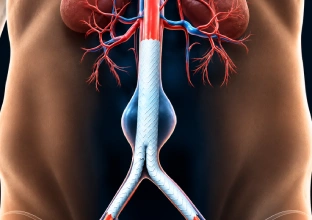
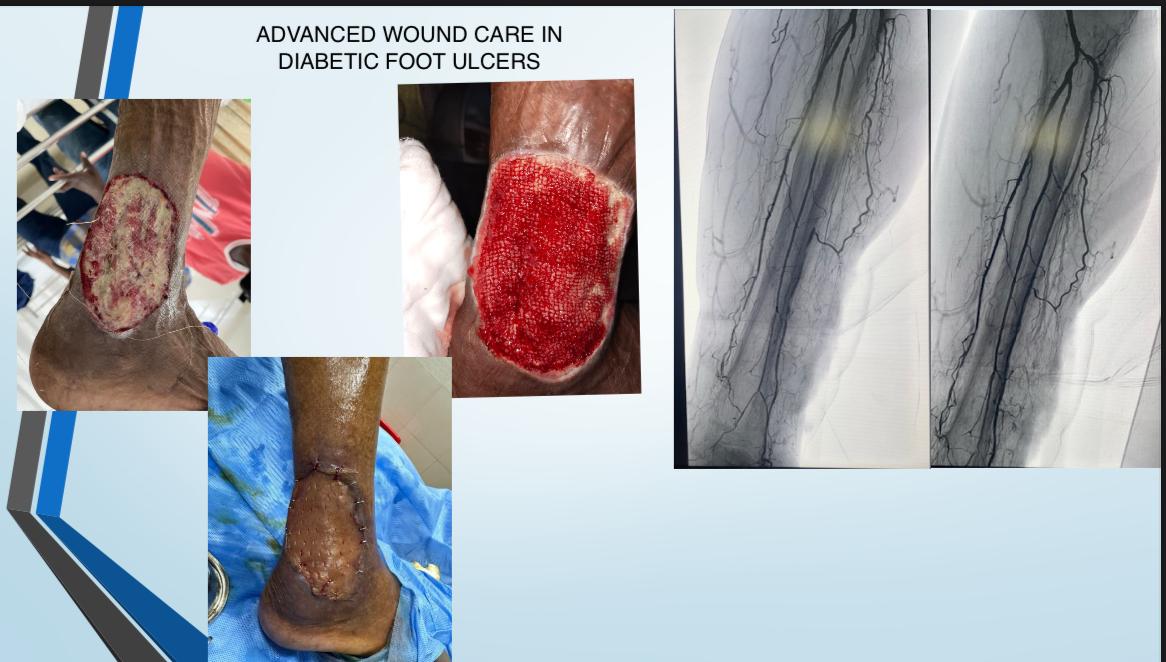
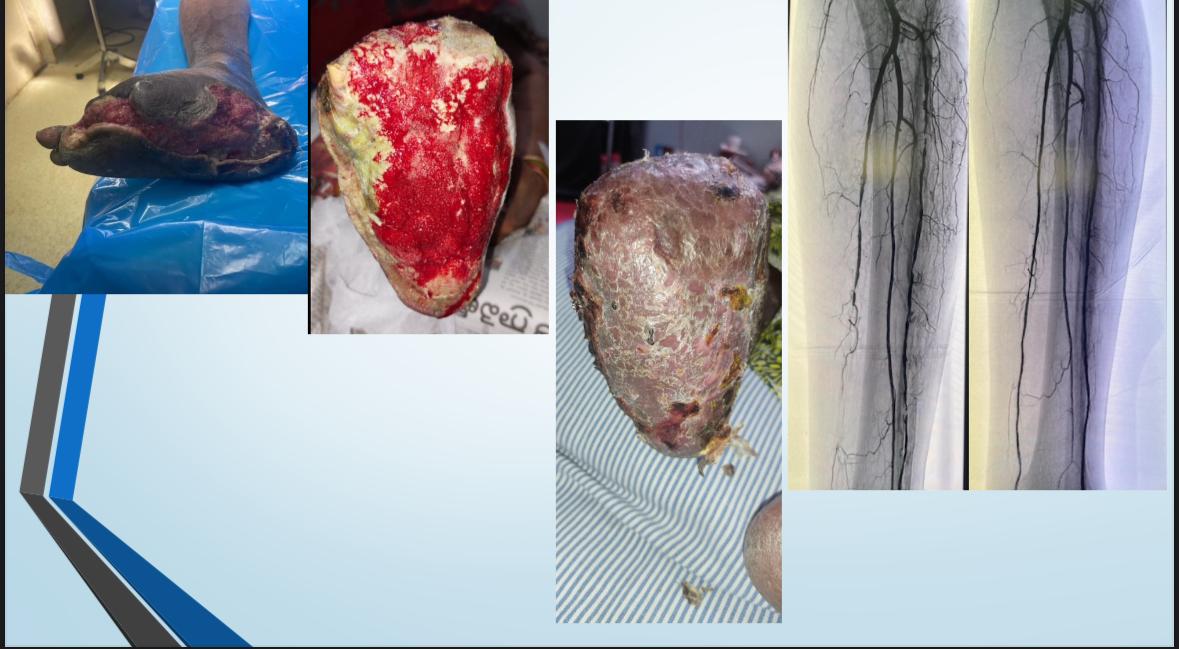
Diabetic foot ulcer treatment may involve wound assessment, infection management, pressure relief, blood-sugar control, wound care, and evaluation of blood circulation. When reduced blood flow is suspected, vascular assessment is particularly important because peripheral artery disease (PAD) is common among people with diabetes and a foot ulcer. The 2023 IWGDF PAD guideline notes that approximately half of people with diabetes and a foot ulcer also have PAD.
At KM Vascular Clinic, treatment planning is based on the condition of the wound, circulation, infection status, nerve function, and other individual health factors.
What Is a Diabetic Foot Ulcer?
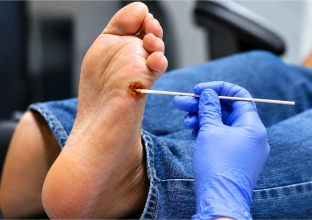
A diabetic foot ulcer is an open sore or wound that develops on the foot in a person with diabetes. It can occur on the toes, sole, heel, or other areas exposed to pressure, friction, or injury.
Diabetes may contribute to foot ulcers in several ways. Nerve damage, known as peripheral neuropathy, can reduce the ability to feel pain, heat, pressure, or injury. As a result, a person may not notice a blister, cut, pressure point, or wound until it becomes larger.
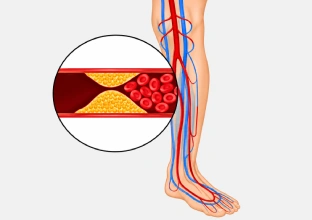
Diabetes may also be associated with poor blood circulation. Reduced blood flow can make it more difficult for an injured area to receive the oxygen and nutrients needed for healing.
A diabetic foot ulcer should not be ignored, even when it appears small or causes little pain.
What Causes Diabetic Foot Ulcers?
Diabetic foot ulcers can develop because of a combination of nerve problems, pressure, injury, infection, and circulation problems.
Common contributing factors include:
-
Peripheral neuropathy: Reduced sensation can make it difficult to notice injuries or pressure.
-
Poor blood circulation: Peripheral artery disease can reduce blood flow to the foot and affect wound healing.
-
Repeated pressure: Walking or standing on an area of the foot repeatedly can prevent a wound from healing.
-
Foot deformities: Changes in foot structure can create areas of excessive pressure.
-
Cuts, blisters, or burns: Minor injuries can develop into ulcers when they are not noticed or treated.
-
Calluses and corns: Thickened skin may increase pressure on particular areas.
-
Poorly fitting footwear: Tight or unsuitable shoes can cause friction and pressure.
-
High blood glucose: Diabetes management is an important part of reducing complications and supporting overall wound care.
-
Infection: An existing wound can become infected and require prompt medical treatment.
Smoking and poor circulation can further increase the risk of serious foot complications. Regular foot examination and appropriate diabetes management can help reduce risk.
What Are the Symptoms of a Diabetic Foot Ulcer?
A diabetic foot ulcer may appear as a small break in the skin, but symptoms can vary depending on nerve function, circulation, and infection.
Possible warning signs include:
-
An open sore or wound on the foot
-
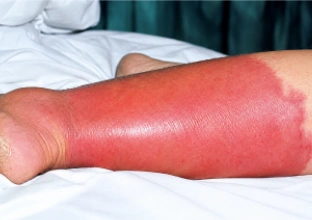
Redness around the wound
-
Swelling
-
Warmth around the affected area
-
Drainage or discharge
-
Unpleasant odor
-
Skin discoloration
-
Bleeding
-
Increasing wound size
-
Delayed wound healing
-
Pain or tenderness, although pain may be reduced when neuropathy is present
-
Blackened or damaged tissue in severe cases
-
Fever or other signs of infection
A person with diabetes should seek medical assessment when a foot wound does not heal normally or shows signs of infection. Mayo Clinic recommends contacting a healthcare professional for open sores, bleeding, swelling, warmth, changes in skin color, bad odor, or wounds that are slow to heal or become larger.
How Is a Diabetic Foot Ulcer Diagnosed?
Diagnosis begins with a detailed examination of the foot and the ulcer. A vascular specialist may assess the wound, surrounding tissue, sensation, pulses, and blood circulation.
Depending on the patient's condition, evaluation may include:
-
Physical examination of the wound
-
Assessment of wound size, depth, and location
-
Examination for signs of infection
-
Neurological assessment for reduced sensation
-
Pulse examination
-
Ankle-brachial index (ABI), when appropriate
-
Toe pressure or other vascular measurements
-
Doppler or duplex ultrasound
-
Additional vascular imaging when clinically indicated
-
Assessment of blood glucose and diabetes control
-
Evaluation for bone involvement when suspected
The 2023 IWGDF PAD guideline recommends appropriate vascular assessment in people with diabetes and foot ulcers because PAD can significantly affect healing and limb outcomes.
What Are the Treatment Options for Diabetic Foot Ulcers?
Treatment depends on the size, depth, location, cause, circulation, infection status, and overall health of the patient. There is no single treatment that is appropriate for every diabetic foot ulcer.
Management may include:
-
Wound cleaning and dressing: Keeping the wound appropriately protected and managed.
-
Debridement: Removal of dead or unhealthy tissue when clinically indicated.
-
Offloading: Reducing pressure on the ulcer so that walking and weight-bearing do not continually stress the wound.
-
Infection treatment: Infected diabetic foot ulcers may require appropriate antimicrobial treatment based on clinical assessment.
-
Blood glucose management: Good diabetes management forms an important part of overall care.
-
Circulation assessment: PAD should be evaluated when reduced blood flow is suspected.
-
Revascularization: In selected patients with significant arterial disease, procedures may be considered to improve blood flow.
-
Surgical treatment: Some ulcers may require surgical intervention, particularly when there is extensive infection, dead tissue, deep structural involvement, or another complication.
-
Ongoing monitoring: Regular follow-up helps evaluate wound progress and identify complications.
The IWGDF guidelines include specific recommendations covering infection management, offloading, wound-healing interventions, and peripheral artery disease in diabetes-related foot disease.
When Should You Seek Medical Care for a Diabetic Foot Ulcer?
People with diabetes should take foot wounds seriously. Medical evaluation is appropriate when there is an open wound, persistent blister, unexplained swelling, skin discoloration, drainage, bleeding, increasing redness, warmth, or an ulcer that is not healing.
Seek prompt medical attention if there are signs such as:
-
Rapidly increasing redness or swelling
-
Pus or significant drainage
-
Foul odor
-
Fever or feeling unwell
-
Increasing wound size
-
Severe or new foot pain
-
Black or visibly damaged tissue
-
A deep wound
-
Exposed bone or tendon
-
A cold, pale, or unusually discolored foot
Early assessment can help identify infection, tissue damage, neuropathy, or circulation problems before the condition becomes more difficult to manage.
Why Is Circulation Important in Diabetic Foot Ulcer Healing?
Adequate blood circulation is important because healing tissue requires oxygen and nutrients supplied through the bloodstream. Peripheral artery disease can reduce blood flow to the lower limbs and may contribute to delayed wound healing.
This is particularly relevant in diabetes. The IWGDF reports that PAD occurs in approximately 50% of people with diabetes and a foot ulcer and states that PAD is associated with increased adverse limb and cardiovascular outcomes.
If a diabetic foot ulcer is not healing despite appropriate wound care, vascular assessment may be necessary. The 2023 IWGDF PAD guideline provides recommendations for diagnosing PAD, assessing healing potential, and considering revascularization in appropriate patients.
At KM Vascular Clinic, assessment of circulation can help determine whether an underlying vascular problem may be contributing to delayed wound healing.
How Can Diabetic Foot Ulcers Be Prevented?
Prevention is an important part of diabetic foot care. People with diabetes can reduce their risk by checking their feet regularly and addressing problems early.
Helpful measures include:
-
Inspect your feet every day for cuts, blisters, redness, swelling, or skin changes.
-
Keep feet clean and dry.
-
Wear properly fitting footwear.
-
Avoid walking barefoot, particularly where injuries may go unnoticed.
-
Manage blood glucose according to your healthcare professional's advice.
-
Do not ignore numbness or reduced sensation.
-
Attend recommended diabetic foot examinations.
-
Treat calluses and other foot problems professionally rather than cutting them yourself.
-
Avoid smoking.
-
Seek medical advice for wounds that do not heal normally.
-
Follow prescribed wound-care and offloading instructions.
Regular foot care is especially important for people with previous ulcers, neuropathy, foot deformities, or circulation problems.
Frequently Asked Questions About Diabetic Foot Ulcer Treatment
1. What is a diabetic foot ulcer?
A diabetic foot ulcer is an open wound or sore that develops on the foot of a person with diabetes. It may result from a combination of nerve damage, pressure, injury, infection, and reduced blood circulation. Early medical evaluation is important because diabetic foot ulcers can become more serious if they are not appropriately managed.
2. What causes diabetic foot ulcers?
Diabetic foot ulcers can be caused by peripheral neuropathy, repeated pressure, foot injuries, poorly fitting footwear, calluses, foot deformities, infection, and reduced blood circulation. Several factors may occur together in the same patient.
3. What are the warning signs of a diabetic foot ulcer?
Warning signs include an open sore, redness, swelling, warmth, drainage, bleeding, skin discoloration, bad odor, increasing wound size, or delayed healing. Because neuropathy can reduce sensation, a diabetic foot ulcer may sometimes cause little or no pain.
4. Can a diabetic foot ulcer heal?
Yes, many diabetic foot ulcers can heal with appropriate medical management, but healing depends on factors such as wound severity, infection, blood glucose control, pressure on the wound, nerve function, and circulation. Some patients may require specialized wound care or vascular treatment.
5. How is a diabetic foot ulcer treated?
Treatment can involve wound care, debridement when required, pressure offloading, infection management, diabetes management, vascular assessment, and treatment of circulation problems. The appropriate combination depends on the individual wound and underlying causes.
6. When should I see a doctor for a diabetic foot ulcer?
You should seek medical care for any open foot wound if you have diabetes, especially if it is increasing in size, draining, becoming red or swollen, producing an odor, or failing to heal. Urgent assessment is particularly important when there are signs of infection or significant tissue damage.
7. Can poor blood circulation delay diabetic foot healing?
Yes. Reduced blood flow can make it harder for an ulcer to heal because the affected tissues may receive inadequate oxygen and nutrients. Peripheral artery disease is common among people with diabetes and foot ulcers, making vascular assessment an important part of appropriate care.
8. What is diabetic foot wound care?
Diabetic foot wound care refers to the medical management of a foot ulcer. Depending on the wound, it may include cleaning and dressing, removal of unhealthy tissue, pressure offloading, infection management, circulation assessment, and regular monitoring.Diabetic foot wound care refers to the medical management of a foot ulcer. Depending on the wound, it may include cleaning and dressing, removal of unhealthy tissue, pressure offloading, infection management, circulation assessment, and regular monitoring.
9. Is surgery always required for a diabetic foot ulcer?
No. Surgery is not required for every diabetic foot ulcer. Treatment depends on the wound and its underlying cause. However, selected patients may require a surgical procedure for problems such as severe infection, extensive dead tissue, deep structural involvement, or significant arterial disease.
10. How can diabetic foot ulcers be prevented?
Daily foot inspection, suitable footwear, diabetes management, regular medical foot examinations, avoiding barefoot walking, addressing pressure areas, and promptly treating minor injuries can help reduce the risk of diabetic foot ulcers. People at higher risk may require more frequent professional assessment.
11. Can diabetes cause numbness in the feet?
Yes. Diabetes can contribute to peripheral neuropathy, which may cause numbness, tingling, or reduced sensation. Reduced sensation can make it difficult to notice cuts, blisters, pressure injuries, or burns, increasing the risk of an unnoticed foot wound.
12. Why is a vascular specialist involved in diabetic foot ulcer treatment?
A vascular specialist can assess whether reduced blood circulation or peripheral artery disease is contributing to poor wound healing. If significant arterial disease is identified, appropriate vascular treatment may form part of the overall management plan.
Diabetic Foot Ulcer Care at KM Vascular Clinic
If you are looking for Diabetic Foot Ulcer Treatment in RTC Crossroads, KM Vascular Clinic provides vascular evaluation and individualized management based on the patient's wound and circulation status. A diabetic foot ulcer should be assessed promptly, particularly when there are signs of infection, poor circulation, tissue damage, or delayed healing.
Early professional evaluation can help identify contributing factors and determine an appropriate treatment plan. Treatment recommendations vary from patient to patient and should be made after a clinical examination.