KM Vascular Clinic at RTC X Roads offers evaluation and treatment for abdominal aortic aneurysm, helping patients in the area identify and manage the risks associated with an enlarged aorta before complications occur. If you've been searching for a Vascular Surgeon Near Me RTC X Roads, this program focuses on early detection, appropriate repair options, and long-term monitoring so aneurysms can be identified and managed before rupture becomes a concern.
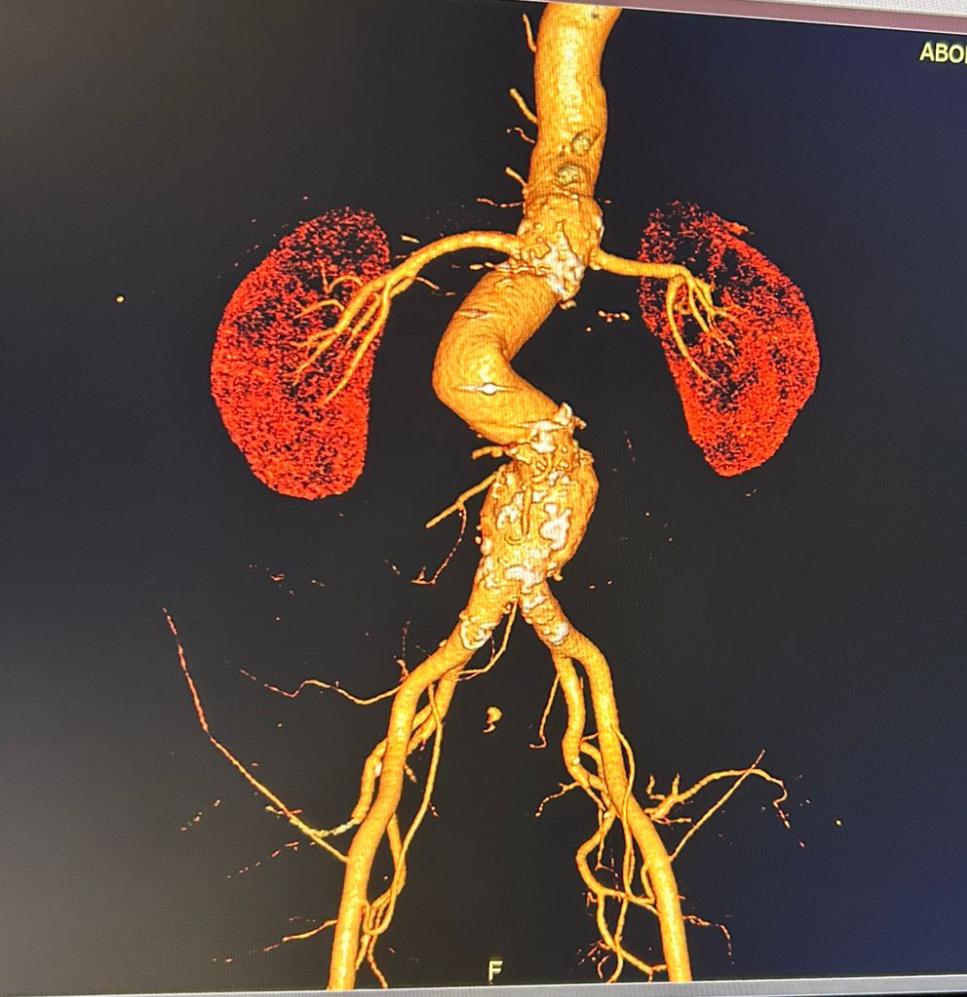
An abdominal aortic aneurysm (AAA) is a bulge that forms in the wall of the aorta, the main blood vessel running through the abdomen. Many aneurysms grow slowly and may cause no symptoms, which is why appropriate screening can be important for people at increased risk, including some older adults, smokers, and those with a family history of the condition. Patients who reach out to a Vascular Specialist Nearby RTC X Roads may arrive after a screening ultrasound identifies an abnormality or because a routine scan for another condition detects an aneurysm incidentally.
The goal of this program is straightforward: identify abdominal aortic aneurysms early, monitor their growth when appropriate, and consider intervention at the right time based on the patient's anatomy, aneurysm characteristics, and overall health.
Untreated aneurysms can enlarge without obvious symptoms and may eventually rupture. The clinical purpose is therefore to provide a clear path from initial diagnosis through appropriate monitoring or treatment and long-term follow-up.
Comprehensive Diagnostic Workup
Ultrasound, CT angiography, and physical evaluation may be used together to confirm aneurysm size, location, anatomy, and changes over time before a treatment decision is made.
Endovascular Aneurysm Repair (EVAR)
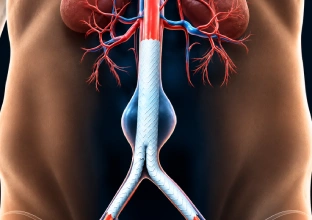
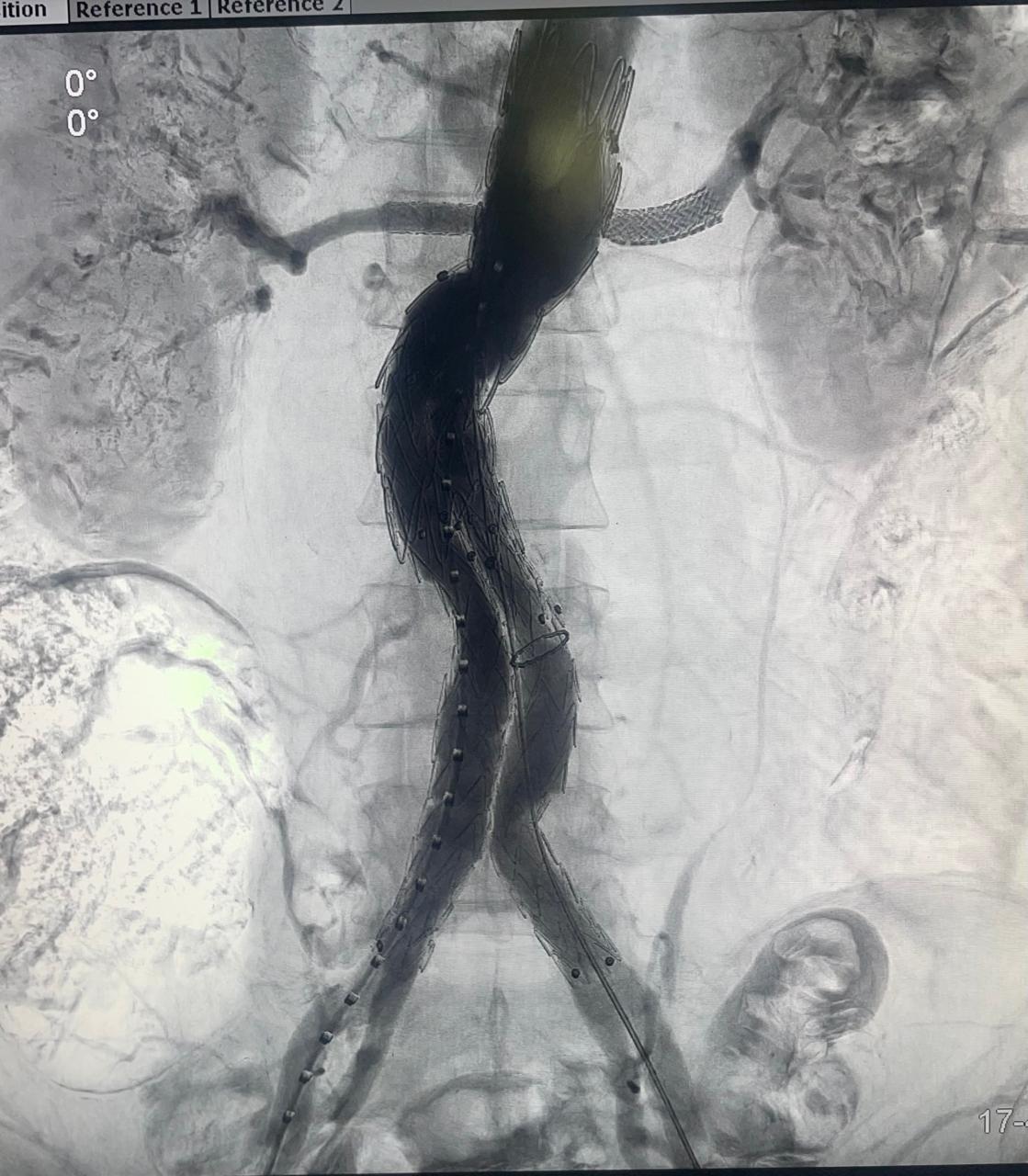
Endovascular aneurysm repair (EVAR) is a catheter-based technique in which a stent graft is placed inside the affected section of the aorta through access points in the groin. It can avoid the need for traditional open abdominal surgery in eligible patients.
Open Surgical Repair
For aneurysms that are unsuitable for endovascular treatment, open surgical repair remains an established treatment option, with appropriate pre-operative and post-operative care.
Surveillance Programs for Small Aneurysms
Aneurysms that do not currently require intervention can be monitored through a structured imaging surveillance program. This helps avoid unnecessary procedures while allowing changes in aneurysm size to be identified.
Risk Factor Management
Blood pressure control, cholesterol management, and smoking cessation guidance can form part of the overall treatment plan because cardiovascular risk factors are important considerations in patients with aneurysms.
Smaller incisions and potentially faster recovery with endovascular repair compared with traditional open surgery for suitable patients.
Reduced risk of rupture through appropriate monitoring and timely intervention when indicated.
Personalised treatment decisions based on aneurysm size, shape, anatomy, growth, and individual health rather than a one-size-fits-all approach.
Coordinated care that addresses cardiovascular risk factors alongside the aneurysm.
Potentially shorter hospital stays for patients who qualify for minimally invasive repair.
Patients looking for a Vascular Doctor Near Me RTC X Roads want more than a single procedure — they want a team that can support the full course of care, from the first suspicious scan through follow-up imaging.
This clinic combines diagnostic imaging, endovascular and open repair options, and structured surveillance so patients with smaller aneurysms can be monitored appropriately and those requiring treatment can be evaluated in a timely manner.
Every treatment decision is based on individual anatomy, aneurysm characteristics, overall health, and clinical risk rather than a generic timeline. The local RTC X Roads location also makes consultation, imaging, and follow-up more convenient.
Frequently Asked Questions
The decision depends mainly on aneurysm size, growth rate, anatomy, symptoms, and overall patient risk. Smaller aneurysms are often followed with periodic imaging, while larger, symptomatic, or rapidly expanding aneurysms may require consideration of repair. Your individual treatment plan should be determined after a complete diagnostic assessment.
Not always. Endovascular aneurysm repair (EVAR) can offer a less invasive approach and may have a shorter recovery for eligible patients. However, aneurysm anatomy, location, suitability for a stent graft, and overall health all influence the choice. Some patients may be better suited to open surgical repair.
An abdominal aortic aneurysm can continue to enlarge without producing obvious symptoms. As the aneurysm becomes larger, the risk of rupture can increase, and rupture is a medical emergency. This is why appropriate evaluation, risk-factor management, screening when indicated, and consistent follow-up are important.