Deep Vein Thrombosis Specialist in Secunderabad

Deep Vein Thrombosis (DVT): Spotting Early Symptoms, Treatment Options, and Recovery
KM Vascular Clinic aims to help patients understand vascular conditions, recognize warning signs, and explore appropriate medical care. Deep Vein A blood clot that forms in a deep vein, usually in the leg, is known as thrombosis (DVT). Because a portion of the clot may move to the lungs and result in a potentially fatal complication known as a pulmonary embolism (PE), early detection and prompt treatment are crucial.
Venous thromboembolism (VTE), which encompasses pulmonary embolism and deep vein thrombosis, is a set of disorders that includes deep vein Deep Vein Thrombosis Specialist in Secunderabad. While some people may not have any visible warning signals, others may have noticeable symptoms. Consequently, one should never disregard unexplained swelling or pain in one leg.
What Is Deep Vein Thrombosis (DVT)?
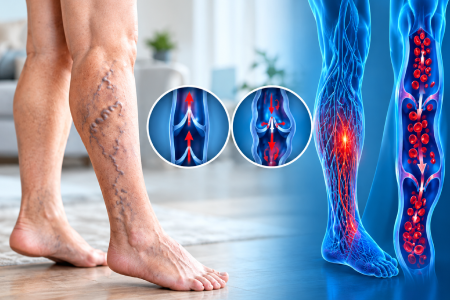
When a blood clot forms in a deep vein, typically in the calf, thigh, or pelvis, it is known as deep vein thrombosis. The arm or other bodily parts may also experience it. Blood flow may be totally or partially blocked by the clot.
DVT belongs to a group of conditions called venous thromboembolism (VTE), which includes DVT and pulmonary embolism. Some people experience noticeable symptoms, while others may have no obvious warning signs. Therefore, unexplained swelling or pain in one leg should never be ignored.
What Are the Early Symptoms of DVT?
-
The location and size of the clot can affect the early signs of deep vein thrombosis. Typical indicators consist of:
-
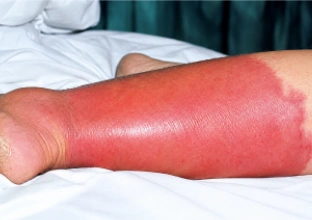
Swelling in one arm or leg, especially if it appears rapidly.
-
Discomfort or pain, usually in the thigh or calf.
-
Warm skin around the affected area.
-
Redness or skin discoloration.
-
A feeling of heaviness or discomfort in the affected limb.
What Causes Deep Vein Thrombosis?
DVT usually develops when blood flow slows, a vein becomes damaged, or the blood is more likely to clot. Several factors may contribute to its development.
1. Reduced Movement
Long periods of sitting or bed rest can slow blood flow through the legs. This may happen during long-distance travel, hospitalization, recovery after surgery, or illness that limits movement.
2. Surgery or Injury
Major surgery, fractures, and injuries can damage blood vessels or reduce mobility, increasing the risk of clot formation.
3. Medical Conditions
Certain illnesses, including cancer and some inherited or acquired clotting disorders, can increase the likelihood of developing DVT.
4. Hormonal Changes
Pregnancy, the period after childbirth, and some estrogen-containing contraceptives or hormone treatments may increase blood clot risk.
5. Previous Blood Clots
People who have previously experienced DVT or pulmonary embolism may have a higher risk of another episode.
Often, several factors combine to increase risk rather than one single cause being responsible.
Who Is at Risk of DVT?
Although DVT can affect people of different ages, some circumstances increase the risk.
Common risk factors include:
-
Older age.
-
Previous DVT or pulmonary embolism.
-
Family history of blood clots.
-
Recent major surgery, hospitalization, or serious injury.
-
Prolonged immobility or long-distance travel.
-
Pregnancy and the postpartum period.
-
Certain hormone-based medications.
-
Cancer or specific vascular medical conditions.
-
Obesity and limited physical activity.
-
Inherited clotting disorders.
How Is DVT Diagnosed?
A Deep Vein Thrombosis Specialist in Secunderabad cannot accurately diagnose the condition based just on symptoms. Before determining whether tests are suitable, a medical expert evaluates your symptoms, medical history, and risk factors.
1. Medical History and Physical Examination
The clinician may ask when symptoms began, whether one limb is swollen, and whether you have recently travelled, undergone surgery, or experienced a previous clot. A physical examination helps guide further testing but cannot confirm DVT by itself.
2. Duplex Ultrasound
Duplex ultrasonography is the standard imaging test commonly used to identify a clot in a deep vein. It uses sound waves to assess blood flow and examine the veins without surgery.
3. D-Dimer Blood Test
A D-dimer test measures a substance released when a blood clot breaks down. A negative result may help rule out DVT in appropriately selected patients. A positive result does not prove a clot is present because other conditions can also raise D-dimer levels.
4. Additional Imaging
In selected cases, a clinician may recommend repeat ultrasound or other imaging if the initial findings are inconclusive or the suspected clot is in an area that is difficult to assess.
What Are the Treatment Options for DVT?
DVT treatment aims to prevent the clot from growing, reduce the risk of additional clots, and lower the chance of pulmonary embolism. The appropriate treatment depends on the clot’s location, severity, bleeding risk, and the patient’s overall health.
1. Anticoagulant Medicines
Anticoagulants, often called blood thinners, are the main treatment for many patients with DVT. They reduce the blood’s ability to form clots, helping prevent the existing clot from growing and reducing the risk of new clots.
Depending on the patient’s needs, a clinician may prescribe tablets or injectable medication. Treatment commonly lasts at least three months, although some people need a shorter or longer course based on the cause of the clot and their risk of recurrence.
2. Compression Therapy
Medical compression stockings may be recommended for selected patients to help manage leg swelling or discomfort. They are not suitable for everyone and should be chosen with professional guidance. They do not replace anticoagulant medication when that medication is indicated.
3. Clot-Removal Procedures
For selected patients with severe DVT, specialists may consider procedures such as catheter-directed treatment or thrombectomy to remove or reduce the clot. These options are not necessary for most cases and carry potential risks, including bleeding. The specialist weighs the possible benefits against those risks.
4. Inferior Vena Cava (IVC) Filter
An IVC filter is a device placed in a large vein to catch clots travelling toward the lungs. It is reserved for specific situations, such as when anticoagulation cannot be used or under other carefully selected circumstances.
Key Features of DVT Assessment and Care
A structured DVT care plan may include:
-
Assessment of symptoms and personal risk factors.
-
Appropriate diagnostic testing, including ultrasound when indicated.
-
An individualized treatment plan.
-
Guidance on anticoagulant use and bleeding precautions.
-
Follow-up to review symptoms, medication, and recovery.
-
Advice on reducing future clot risk.
Benefits of Early Diagnosis and Appropriate Treatment
Early assessment and appropriate treatment can help:
-
Reduce the risk of pulmonary embolism and other serious complications.
-
Prevent the clot from growing and lower the risk of additional clots.
-
Manage pain and swelling.
-
Identify patients who need longer-term treatment or monitoring.
-
Reduce the risk of long-term problems such as post-thrombotic syndrome.
Technical Specifications: DVT Clinical and Diagnostic Considerations
-
Clinical Assessment: Evaluation of symptoms, medical history, and blood clot risk factors.
-
Duplex Ultrasound: Imaging test used to examine deep veins and identify blood clots.
-
D-Dimer Blood Test: Helps assess the likelihood of a blood clot in appropriately selected patients.
-
Anticoagulant Therapy: Medication selection based on clot location, medical history, kidney function, and bleeding risk.
-
Treatment Duration: Commonly at least three months, depending on individual risk factors and clinical assessment.
-
Follow-Up Monitoring: Review of symptoms, medication safety, bleeding risks, and possible recurrence.
-
Advanced Treatment Procedures: Catheter-directed treatment or thrombectomy may be considered for selected patients.
Applications: When Should You Consult a Vascular Specialist?
A vascular specialist may be involved in the assessment and management of several situations related to blood clots, including:
-
Suspected DVT: New, unexplained swelling, pain, warmth, or discoloration in one leg or arm.
-
DVT after surgery: Symptoms developing during recovery from an operation or hospital stay.
-
Travel-related concerns: Symptoms following prolonged sitting or long-distance travel.
-
Recurrent blood clots: A history of DVT that requires assessment of ongoing risk and treatment duration.
-
Persistent leg symptoms: Continuing swelling, discomfort, or skin changes after a previous clot.
-
Complex treatment decisions: Cases involving significant clot burden, bleeding risks, or possible specialist procedures.
How Can You Help Prevent DVT?
Not every blood clot can be prevented, but practical steps may reduce risk.
Stay Active
Move regularly throughout the day, particularly if your work involves prolonged sitting. During long journeys, take opportunities to stand, walk, and move your ankles and calves.
Follow Medical Advice After Surgery
Ask your healthcare team about your personal risk of blood clots before and after surgery. Your care plan may include early movement, prescribed medication, or compression devices.
Discuss Your Risk Before Long-Distance Travel
If you have previously had a clot, recently undergone surgery, or have other significant risk factors, ask your doctor about travel precautions. People at higher risk may need a specific prevention plan.
Use Medication Only as Prescribed
Do not take aspirin or anticoagulants solely to prevent travel-related clots unless your clinician recommends them. These medicines are not appropriate for everyone and can cause harm.
Maintain Healthy Daily Habits
Regular physical activity and weight management may help reduce some risk factors. However, healthy habits do not eliminate the need for prescribed preventive treatment when it is indicated.
What Does DVT Recovery Involve?
Recovery varies according to the clot's location, severity, treatment, and the patient's general health. Some symptoms improve gradually with treatment, while swelling or discomfort may take longer to settle.
Follow Your Treatment Plan
Take prescribed anticoagulants consistently and attend follow-up appointments. Inform your healthcare professional about unusual bleeding, worsening symptoms, or difficulties taking medication.
Return to Activity Safely
Your clinician can advise when to resume walking, exercise, work, and other everyday activities. Prolonged inactivity is generally discouraged, but activity recommendations should account for your individual condition.
Watch for Long-Term Symptoms
Some people develop post-thrombotic syndrome, which may cause ongoing swelling, pain, heaviness, or skin changes. Report persistent or worsening symptoms so that they can be assessed.
Understand the Possibility of Recurrence
Some patients need extended anticoagulant treatment because their risk of another clot remains elevated. The decision depends on the cause of the original clot, bleeding risk, and other medical factors.
Important: Seek immediate emergency care if you develop sudden breathlessness, chest pain, coughing up blood, or fainting during recovery.
How Do You Choose the Right DVT Clinic in Hyderabad?
Look for a service that can quickly evaluate symptoms and arrange for the proper diagnosis and treatment when looking for a Deep Vein Thrombosis Specialist in Secunderabad or a vascular clinic in Hyderabad.
Consider the following factors:
-
Qualified clinicians: Check the credentials and experience of the professionals managing vascular conditions and blood clots.
-
Diagnostic access: Ask whether appropriate investigations, such as duplex ultrasound, are available or can be arranged promptly.
-
Clear treatment guidance: The clinician should explain the diagnosis, medication options, potential risks, and follow-up requirements.
-
Medication monitoring: Ask how the clinic supports patients taking anticoagulants and responds to side effects or concerns.
-
Emergency arrangements: Confirm where patients with suspected acute DVT or pulmonary embolism should go for urgent care.
-
Follow-up planning: Choose a service that explains how progress, treatment duration, and recurrence risk will be reviewed.
Frequently Asked Questions About Deep Vein Thrombosis (DVT)
What Causes Deep Vein Thrombosis?
Deep Vein Thrombosis (DVT) occurs when a blood clot forms in a deep vein, usually in the leg. Common risk factors include prolonged immobility, surgery, injury, pregnancy, certain medications, and a history of blood clots.
What Are the Early Warning Signs of DVT?
Early warning signs may include swelling in one leg, calf pain, tenderness, warmth, redness, or skin discoloration. Some people have no noticeable symptoms, so suspected DVT requires prompt medical assessment.
Can Deep Vein Thrombosis Go Away on Its Own?
A blood clot may gradually change over time, but it is unsafe to wait for a suspected DVT to resolve without medical care. Prompt diagnosis and appropriate treatment help reduce the risk of serious complications.
Which Doctor Should I Consult for DVT Treatment?
A vascular specialist or another qualified doctor experienced in managing blood clots can assess suspected DVT. Depending on the situation, treatment may also involve an emergency physician, hematologist, or other specialist.
Is DVT a Life-Threatening Condition?
Yes, DVT can become life-threatening if part of the clot travels to the lungs and causes a pulmonary embolism. Sudden breathlessness, chest pain, coughing up blood, or fainting requires immediate emergency medical care.
How Long Does It Take to Recover From DVT?
Recovery varies depending on the clot's location, severity, and the patient's overall health. Anticoagulant treatment commonly lasts at least three months, while swelling or discomfort may take longer to improve.
Can Walking Help Prevent Deep Vein Thrombosis?
Regular walking and moving your ankles and calves during long periods of sitting can help maintain blood flow and reduce DVT risk. People with additional risk factors may need medical advice about other preventive measures.
When Should I Seek Emergency Care for DVT Symptoms?
Seek prompt medical assessment if you develop unexplained swelling, pain, warmth, or discoloration in one limb. If you experience sudden breathing difficulty, chest pain, coughing up blood, or fainting, seek emergency care immediately.