Pulmonary Embolism (PE)
Pulmonary Embolism Treatment
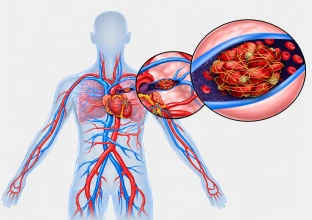
A dangerous illness known as pulmonary embolism (PE) occurs when a blood clot obstructs a blood vessel in the lungs. It commonly occurs when part of a clot formed in a deep vein—often in the leg or pelvis—travels through the bloodstream to the lungs. Because a pulmonary embolism can affect breathing and circulation, prompt medical evaluation is important.
For people searching for Pulmonary Embolism Treatment in RTC Crossroads, understanding the symptoms, causes, diagnosis, treatment choices, and follow-up care can help you recognize when specialist medical attention is needed.
What Is Pulmonary Embolism?
A pulmonary embolism occurs when a blood clot becomes lodged in one of the blood vessels supplying the lungs. The blockage can reduce blood flow through the lungs and, depending on its size and location, may place significant strain on the heart.
PE is a component of a disorder known as venous thromboembolism (VTE), which also includes pulmonary embolism and deep vein thrombosis (DVT). A PE requires prompt medical attention because severe cases can become life-threatening.
What Causes Pulmonary Embolism?
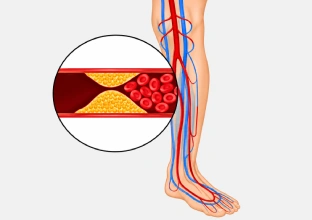
A blood clot that develops in a deep vein, often in the lower limb or pelvis, is the most frequent cause. Deep vein thrombosis (DVT) is the term for this condition. If part of the clot breaks away, it can travel through the veins and reach the lungs.
Factors that encourage clot formation include reduced blood flow, injury to a vein, certain medical conditions, surgery, prolonged immobility, and increased estrogen levels.
How Do DVT and Pulmonary Embolism Relate?
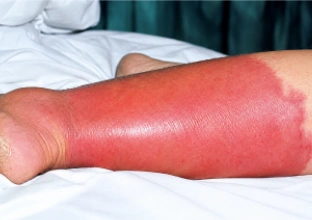
DVT and PE are closely connected. DVT develops when a clot forms in a deep vein, commonly in the leg. If part of this clot separates, it can travel through the bloodstream and become lodged in the lungs, causing pulmonary embolism.
Not everyone with PE has noticeable DVT symptoms. Therefore, sudden breathing difficulty or unexplained chest discomfort should not be ignored simply because there is no obvious leg swelling or pain.
Who Could Get a Pulmonary Embolism?
PE can occur in different people, but certain factors increase the likelihood of developing a blood clot. These include:
Recent major surgery or hospitalization
-
Prolonged bed rest or limited movement
-
Long-distance travel or extended sitting
-
Previous DVT or pulmonary embolism
-
Cancer and some cancer treatments
-
Certain heart or lung conditions
-
Pregnancy and the period following childbirth
-
Estrogen-containing medicines
-
Obesity or being overweight
-
Older age
-
Family history of blood clots
-
Certain inherited clotting disorders
-
Significant injury or fractures
Having several risk factors together can further increase the risk.
What Are the Symptoms of Pulmonary Embolism?
Pulmonary embolism symptoms can appear suddenly or develop more gradually. Common symptoms include:
-
Sudden or unexplained shortness of breath
-
Chest pain, particularly pain that becomes worse with deep breathing or coughing
-
Rapid breathing
-
Fast or irregular heartbeat
-
Cough
-
Coughing up blood
-
Lightheadedness
-
Fainting
-
Sweating or a feeling of anxiety
The symptoms can overlap with other conditions, so medical evaluation and appropriate testing are necessary to establish the diagnosis.
Emergency Warning Signs of Pulmonary Embolism
Severe breathing difficulty, sudden chest pain, coughing up blood, fainting, severe lightheadedness, or sudden collapse can indicate a potentially serious pulmonary embolism.
Do not wait for a routine vascular consultation if these symptoms occur. Seek emergency medical care immediately. PE can require urgent assessment and treatment.
How Is Pulmonary Embolism Diagnosed?
Diagnosis usually begins with an assessment of symptoms, medical history, risk factors, and physical findings. Depending on the clinical situation, doctors may use blood tests and imaging studies.
CT pulmonary angiography (CTPA) is commonly used to look for a clot in the blood vessels of the lungs. A D-dimer blood test may also be considered in appropriate patients. Other investigations can be used when CT imaging is unsuitable or when additional information is required.
If DVT is suspected as the source of the embolus, duplex ultrasound may be performed to examine blood flow and identify a clot in the deep veins.
Pulmonary Embolism Treatment Options
Treatment for pulmonary embolism depends on factors such as the patient's condition, clot severity, bleeding risk, underlying health conditions, and overall clinical assessment.
Anticoagulant Medicines
Anticoagulants, commonly called blood thinners, are frequently used to treat PE. They help prevent existing clots from growing and reduce the formation of additional clots while the body gradually works to resolve the clot.
The choice and duration of anticoagulation depend on individual circumstances and should be determined by a qualified medical professional. Bleeding is an important potential complication of anticoagulant treatment.
Thrombolytic Treatment in Selected Emergencies
Thrombolytic medicines can help dissolve blood clots. They are generally reserved for selected patients with severe or life-threatening PE because these medicines can cause serious bleeding.
The decision to use thrombolytic treatment requires careful assessment of the potential benefits and risks.
Catheter-Based Treatment for Selected Patients
In certain situations, a catheter-based procedure may be considered to deliver treatment directly to the clot or help remove clot material. These procedures are generally reserved for selected patients based on the severity of PE and individual clinical factors.
Recent 2026 European Society of Cardiology reporting on the PRAGUE-26 study has also highlighted ongoing research into catheter-directed thrombolysis for selected intermediate-high-risk PE patients. These findings may inform future treatment guidance.
Surgical Treatment in Specific Situations
Surgical removal of a pulmonary clot may be considered in particular severe cases when other treatment approaches are unsuitable or unsuccessful. This is a specialized decision made according to the patient's condition and available treatment options.
How Long Does Pulmonary Embolism Treatment Take?
Treatment duration varies from person to person. Some patients may require urgent hospital-based treatment followed by anticoagulant medication for several months, while others may need longer-term therapy because of continuing risk factors or recurrent blood clots.
The duration is determined according to factors such as why the clot occurred, whether it was a first or recurrent event, bleeding risk, and other medical conditions.
Recovery and Follow-Up After Pulmonary Embolism
Recovery after PE involves more than simply treating the initial clot. Follow-up may include reviewing symptoms, medication use, riskfactors, and the possibility of recurrent clotting.
Patients should take prescribed anticoagulants exactly as directed and discuss any unusual bleeding or new symptoms with their healthcare provider. Persistent breathlessness, reduced exercise tolerance, chest discomfort, or other concerning symptoms may require further evaluation.
Follow-up also provides an opportunity to identify and address factors that could increase the chance of another blood clot.
How Can Pulmonary Embolism Be Prevented?
Prevention focuses on reducing avoidable clotting risks and following medical advice when a person is at increased risk. Depending on individual circumstances, prevention may include:
-
Moving regularly instead of remaining seated for prolonged periods
-
Walking as soon as medically appropriate after surgery or illness
-
Performing leg movements during long journeys
-
Discussing clot-prevention measures before major surgery
-
Taking prescribed preventive anticoagulants when indicated
-
Maintaining an active lifestyle
-
Managing weight and other relevant health conditions
-
Discussing personal and family history of blood clots with a doctor
During journeys involving prolonged sitting, regular movement and leg exercises can help reduce prolonged immobility. People with additional risk factors should discuss preventive measures with their healthcare provider.
When Should You Consult a Vascular Specialist?
A vascular specialist can help evaluate conditions involving the veins and blood circulation, including DVT and other venous disorders associated with pulmonary embolism.
Consider specialist evaluation if you have a history of DVT or PE, unexplained leg swelling or pain, recurrent blood clots, significant clotting risk factors, or ongoing symptoms following a previous PE.
However, sudden severe breathlessness, chest pain, coughing up blood, fainting, or collapse should be treated as an emergency rather than waiting for a routine appointment.
Pulmonary Embolism Treatment in RTC Crossroads, Hyderabad
For people searching for Pulmonary Embolism Treatment in RTC Crossroads, Hyderabad, access to appropriate medical evaluation is important when symptoms or risk factors suggest a possible blood clot.
A vascular specialist can assess your symptoms, medical history, DVT/PE risk factors, and previous test reports and determine whether further investigation is required. Depending on the clinical situation, evaluation may involve blood tests, vascular ultrasound, CT-based imaging, or referral for emergency hospital care.
If you are experiencing sudden breathing difficulty, severe chest pain, fainting, coughing up blood, or other emergency symptoms, seek immediate emergency medical attention rather than delaying care for a scheduled consultation.
For non-emergency concerns related to previous DVT, pulmonary embolism, recurrent clotting, or venous circulation, a consultation with a qualified vascular specialist can help determine the appropriate next steps.
Frequently Asked Questions
What is the main treatment for pulmonary embolism?
Anticoagulant medication is commonly used to treat pulmonary embolism. More intensive treatments, such as thrombolysis, catheter-based procedures, or surgery, may be considered for selected patients with severe or complicated PE.
Is pulmonary embolism related to DVT?
Yes. A pulmonary embolism commonly develops when part of a DVT breaks away and travels to the lungs. However, PE can occur even when typical DVT symptoms are not present.
Can pulmonary embolism be treated?
Yes. PE is treatable, but it requires timely medical assessment. Treatment depends on the severity of the embolism and the patient's overall health and may range from anticoagulant medication to advanced clot-removal treatments in selected cases.
Is pulmonary embolism an emergency?
A suspected PE requires prompt medical attention. Severe symptoms such as significant breathing difficulty, chest pain, coughing up blood, fainting, or collapse require emergency care.
How is pulmonary embolism confirmed?
Doctors use the patient's symptoms and medical history along with appropriate tests. CT pulmonary angiography is commonly used to identify clots in the pulmonary arteries, while blood tests and other imaging may be used depending on the situation.