VIDEO 01
AV Access Work For Renal Failure
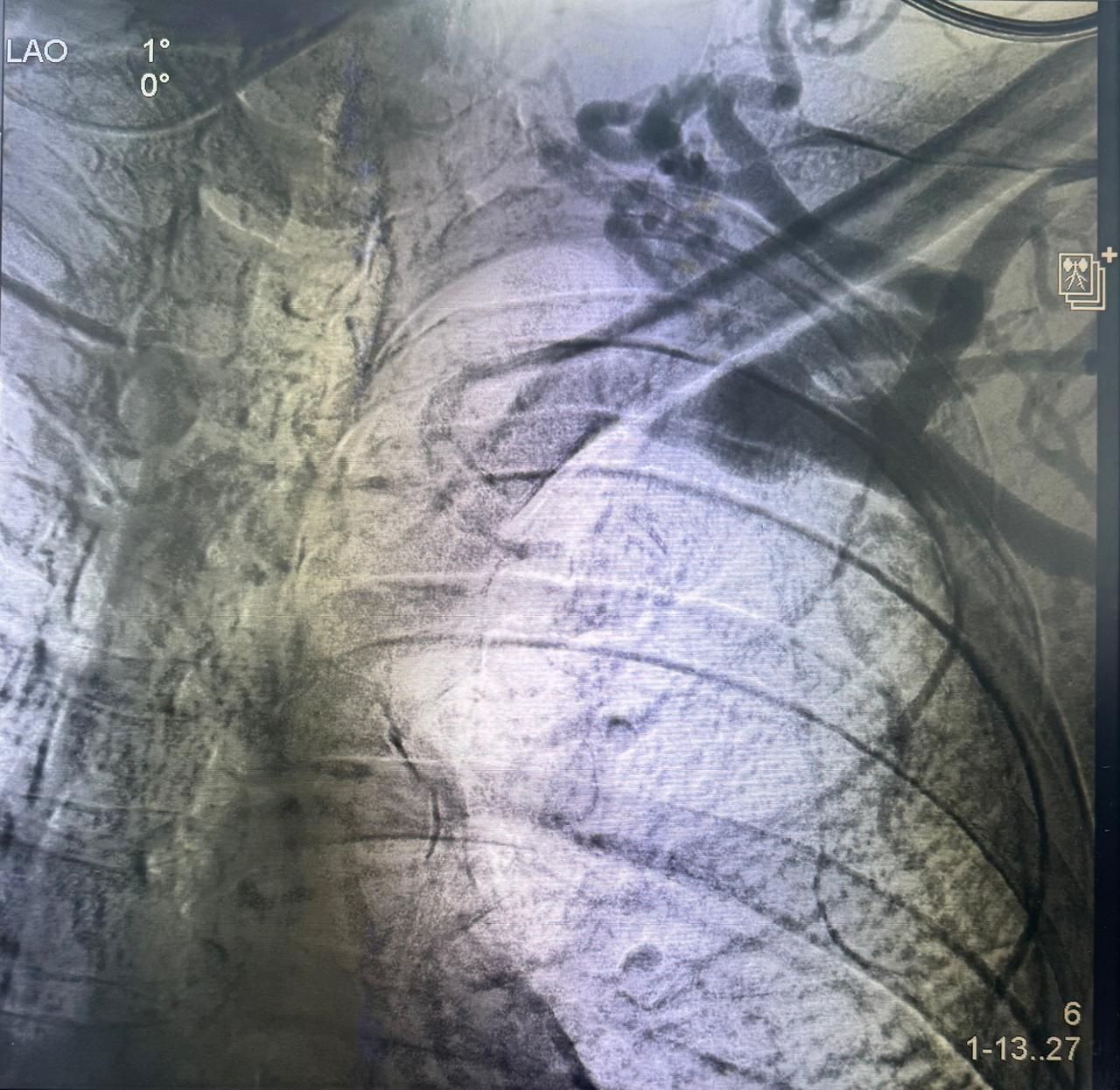
Before Central Vein Angioplasty
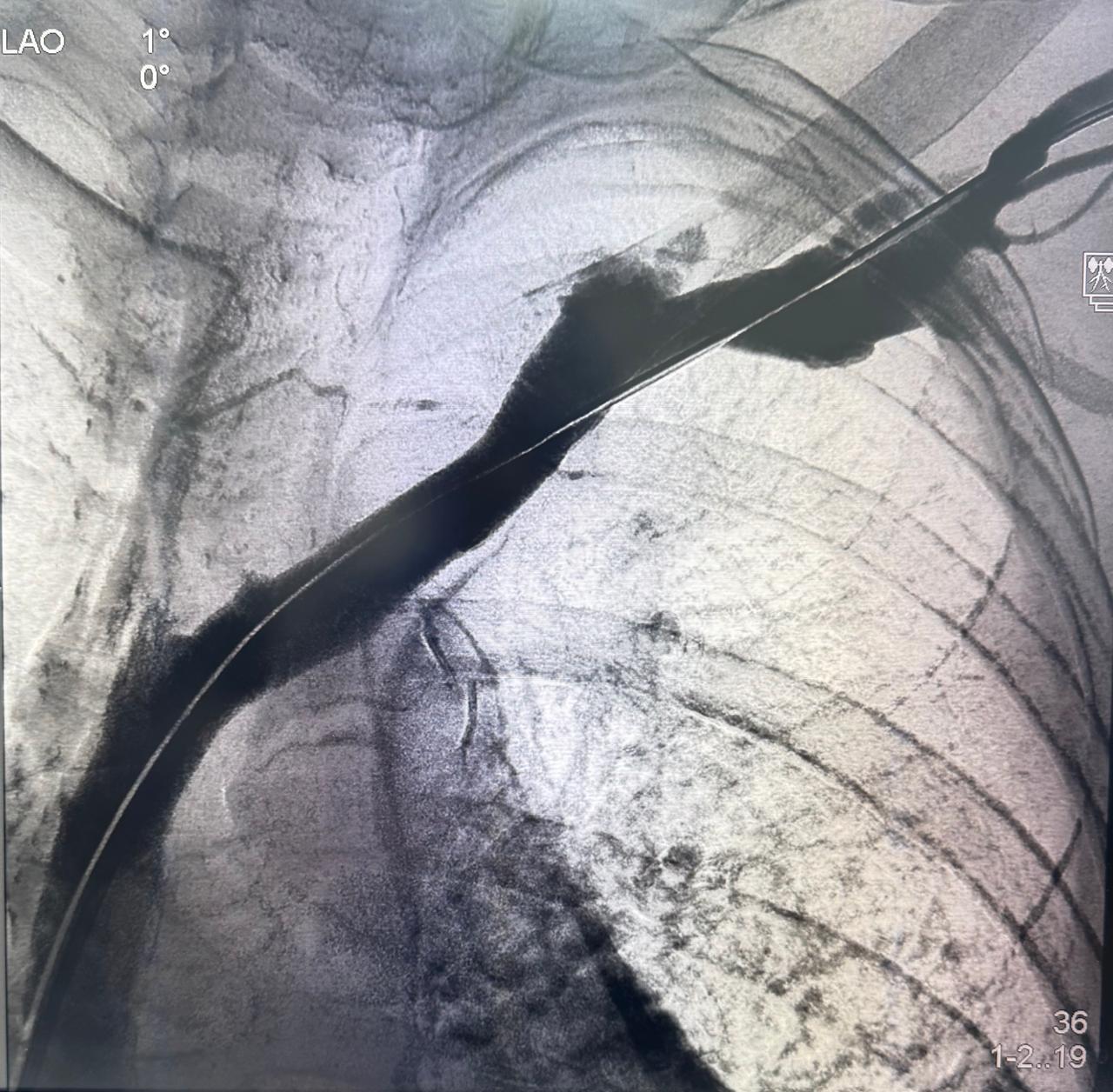
After Central Vein Angioplasty
VIDEO 01
Mega Fistula Ligation and Excision
VIDEO 02
AV Fistula Salvage Fistuloplasty
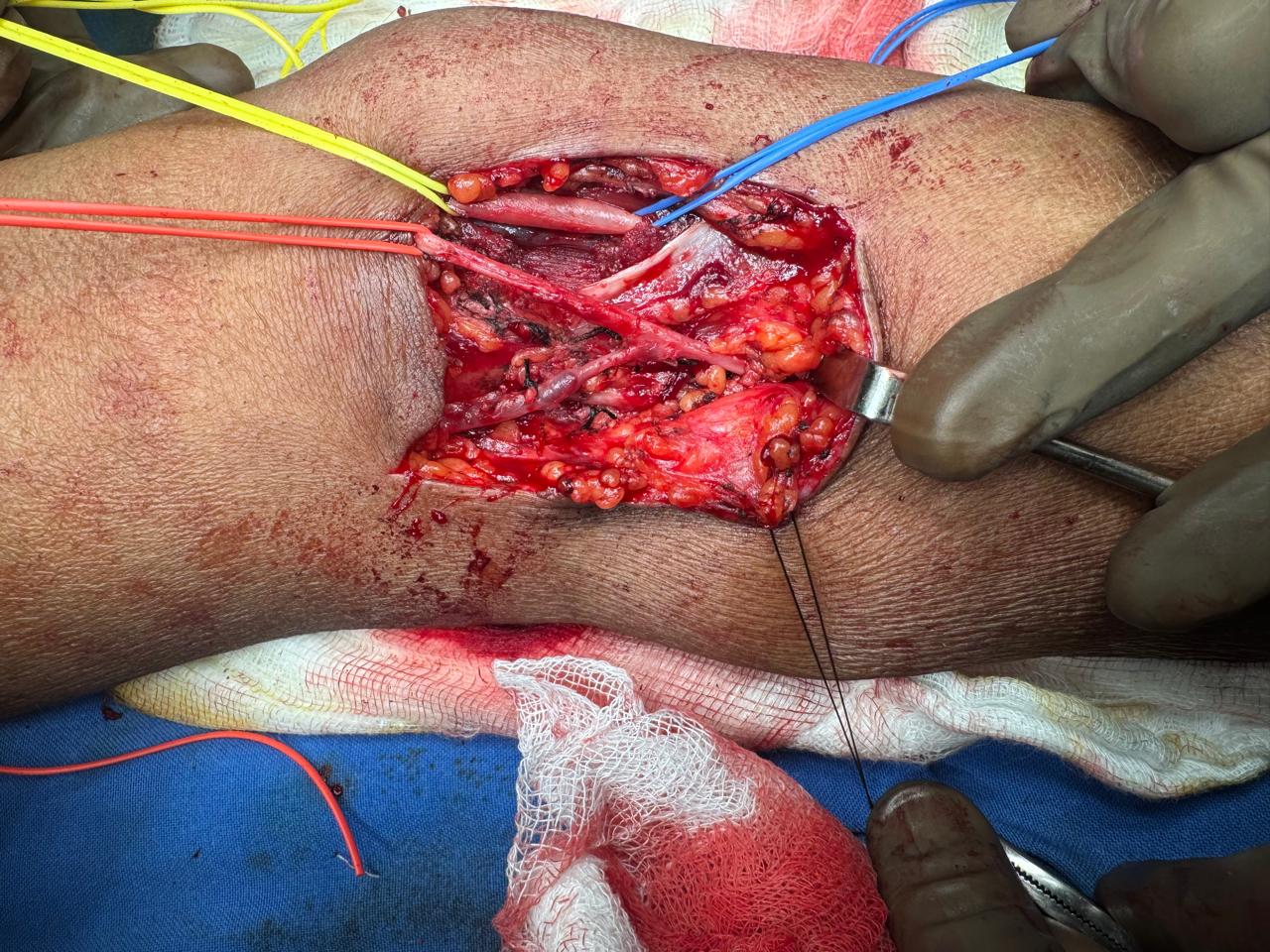
AV Fistula Surgery for Dialysis Patients
Arteriovenous Fistula Treatment
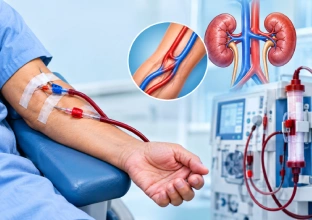
An arteriovenous fistula (AV fistula) is a surgically created connection between an artery and a vein, usually in the arm, to provide reliable vascular access for hemodialysis. For people with advanced kidney disease who require regular dialysis, a well-functioning AV fistula can provide durable access for repeated dialysis sessions.
KM Vascular Clinic provides vascular evaluation and treatment for patients requiring Arteriovenous Fistula Treatment in RTC Crossroads, including assessment of fistula function, complications, blockage, narrowing, and access failure. Treatment is planned according to the patient's vascular condition, dialysis requirements, and overall health.
What Is an Arteriovenous Fistula?
An arteriovenous fistula, commonly called an AV fistula, is a connection created between an artery and a nearby vein through a minor vascular surgical procedure. The increased blood flow from the artery causes the vein to become stronger and larger over time.
This enlarged vein can then be accessed repeatedly during hemodialysis. Two needles are generally used during dialysis: one removes blood from the body so it can pass through the dialysis machine, while the other returns filtered blood.
An AV fistula is different from an abnormal or naturally occurring arteriovenous fistula. In dialysis patients, the fistula is intentionally created to provide vascular access.
Common locations include:
-
Wrist or forearm
-
Upper arm
-
Other suitable vascular sites based on individual anatomy
Before surgery, a vascular specialist may evaluate the arteries and veins using clinical examination and imaging such as Doppler ultrasound.
Why Is an AV Fistula Used for Hemodialysis?
Hemodialysis requires dependable access to the bloodstream. An AV fistula is commonly created because it can provide repeated access to blood vessels for dialysis.
Once matured, an AV fistula can offer several practical advantages:
-
Provides access to blood vessels for regular dialysis
-
Can remain functional for an extended period with appropriate care
-
Uses the patient's own artery and vein
-
Generally has fewer infection-related concerns than a long-term dialysis catheter
-
Can provide adequate blood flow for hemodialysis
-
Allows repeated needle access when properly matured
-
Can be monitored for blood-flow problems and other complications
However, not every patient has blood vessels suitable for a standard AV fistula. A vascular evaluation helps determine whether an AV fistula is appropriate and which location may be suitable.
Who May Need Arteriovenous Fistula Treatment?
Patients with advanced or end-stage kidney disease who require hemodialysis may need an AV fistula to establish long-term vascular access.
AV fistula treatment or evaluation may also be required when an existing fistula develops problems such as:
Patients who are expected to require long-term hemodialysis may be evaluated for fistula creation before dialysis becomes urgent. Early planning can allow adequate time for the fistula to mature.
How Is an AV Fistula Created?
AV fistula creation is performed by connecting a suitable artery to a vein, usually in the arm. The exact location depends on the patient's blood vessels and the vascular surgeon's assessment.
Before the procedure, the vascular specialist may perform:
-
Medical and dialysis history assessment – The patient's kidney disease, dialysis requirements, previous vascular access, medications, and other relevant factors are reviewed.
-
Physical examination – The condition of the arteries and veins is assessed.
-
Vascular imaging – Doppler ultrasound may be used to evaluate vessel size, blood flow, and suitability.
-
Selection of fistula site – The most appropriate artery and vein are identified.
-
Surgical creation – The artery and vein are connected to establish the AV fistula.
-
Postoperative monitoring – Blood flow and the condition of the access site are checked.
After creation, the vein needs time to adapt to the increased arterial blood flow. This process is called fistula maturation. The fistula should be assessed before it is used for dialysis.
What Happens After AV Fistula Surgery?
After AV fistula surgery, the access site is monitored for swelling, bleeding, infection, circulation problems, and other complications.
Patients are generally advised to protect the arm containing the fistula. Depending on their medical team's instructions, they may need to avoid activities that could compress or injure the access.
Important aspects of postoperative fistula care include:
-
Keep the surgical area clean according to medical instructions.
-
Monitor for increasing redness, swelling, pain, or discharge.
-
Check the fistula for its usual vibration, commonly called a thrill, if instructed by the healthcare team.
-
Report sudden changes in blood flow or the absence of the usual thrill.
-
Avoid unnecessary pressure on the fistula arm.
-
Inform healthcare professionals that the arm contains a dialysis fistula.
-
Attend scheduled vascular and dialysis follow-ups.
-
Follow the dialysis team's instructions regarding fistula use.
The fistula may require several weeks to mature before it can safely provide adequate dialysis access. The exact timeframe varies between patients.
What Are the Common AV Fistula Complications?
Although an AV fistula is designed to provide durable dialysis access, complications can occur.
Common AV fistula complications include:
Fistula Stenosis
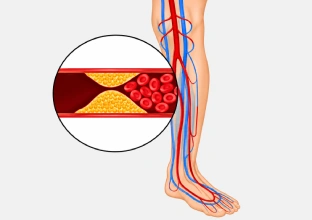
Stenosis means narrowing of part of the fistula or the blood vessels leading to or from it. Narrowing can reduce blood flow and interfere with dialysis.
Fistula Thrombosis
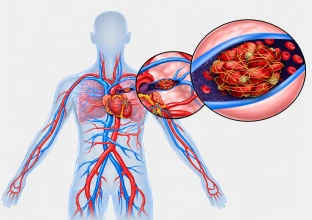
A blood clot can obstruct the fistula and cause sudden loss of access function. Prompt evaluation may be necessary to determine whether the access can be restored.
Infection
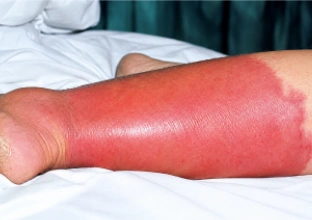
Infection can develop around the access site. Symptoms may include redness, warmth, swelling, pain, or discharge.
Aneurysm or Pseudoaneurysm
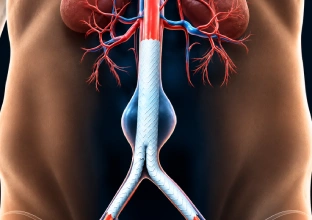
Repeated needle punctures and changes in the vessel wall can sometimes cause abnormal enlargement or a localized bulge.
Steal Syndrome
In some cases, blood flow through the fistula can reduce circulation to the hand. Symptoms may include hand pain, coldness, numbness, or color changes.
Bleeding
Prolonged bleeding after dialysis or significant bleeding from the access site requires medical attention.
Fistula Failure
An AV fistula may fail to mature adequately or may lose function after previously working successfully.
What Causes AV Fistula Blockage or Failure?
AV fistula blockage can occur when blood flow becomes restricted or a blood clot develops. One important cause is stenosis, or narrowing of the fistula or nearby veins.
Possible factors associated with fistula dysfunction include:
\-
Narrowing of the fistula
-
Blood clot formation
-
Poor blood flow
-
Problems with the inflow or outflow vessels
-
Repeated needle-related injury
-
Vessel abnormalities
-
Compression of the access
-
Problems with fistula maturation
-
Underlying vascular disease
-
Changes in the circulation around the fistula
Dialysis-related warning signs can include difficulty cannulating the fistula, reduced blood flow during dialysis, increased venous pressure, prolonged bleeding, or changes in the fistula's usual thrill.
Early evaluation can help identify a potentially treatable access problem.
How Are AV Fistula Complications Treated?
Treatment depends on the specific problem and the condition of the fistula.
A vascular specialist may use diagnostic imaging, particularly Doppler ultrasound, to assess blood flow and identify narrowing, thrombosis, or other abnormalities.
Depending on the findings, treatment options may include:
-
Angioplasty: A balloon catheter may be used to widen a narrowed segment.
-
Thrombectomy or clot removal: A blood clot may be removed when clinically appropriate.
-
Surgical revision: A vascular surgeon may revise or repair a problematic section of the fistula.
-
Treatment of aneurysm or pseudoaneurysm: Selected cases may require surgical or endovascular management.
-
Management of steal syndrome: Treatment is based on the severity of symptoms and the underlying blood-flow problem.
-
New vascular access: If the existing fistula cannot be salvaged, another access option may need to be considered.
The appropriate treatment depends on the location and severity of the problem, the patient's vascular anatomy, dialysis requirements, and the condition of the existing access.
For patients seeking Arteriovenous Fistula Treatment in RTC Crossroads, KM Vascular Clinic can evaluate AV fistula-related concerns and help determine an appropriate vascular treatment approach.
Frequently Asked Questions
1. What is an arteriovenous fistula?
An arteriovenous fistula is a surgically created connection between an artery and a vein. It is commonly created in the arm to provide vascular access for patients receiving long-term hemodialysis.
2. Why is an AV fistula used for dialysis?
Hemodialysis requires repeated access to the bloodstream. An AV fistula creates a suitable blood-flow pathway that can be accessed repeatedly for dialysis after it has matured adequately.
3. Who needs AV fistula surgery?
Patients with advanced kidney disease who are expected to require hemodialysis may need AV fistula creation. Patients with an existing fistula that has developed narrowing, blockage, aneurysm, or other complications may require additional AV fistula treatment.
4. How is an AV fistula created?
An AV fistula is created by surgically connecting a suitable artery to a nearby vein. The increased arterial blood flow helps the vein enlarge and strengthen so it can eventually be used for hemodialysis.
5. What tests are done before AV fistula surgery?
A vascular examination and Doppler ultrasound are commonly used to assess the size, condition, and blood flow of the arteries and veins. Additional tests may be recommended depending on the patient's medical history and vascular condition.
6. How long does an AV fistula take to mature?
Maturation time varies from patient to patient. An AV fistula generally needs several weeks to develop sufficient size and blood flow for dialysis use. The dialysis and vascular teams determine when it is ready for safe cannulation.
7. What are the common AV fistula complications?
Common complications include stenosis, thrombosis, infection, aneurysm or pseudoaneurysm, bleeding, inadequate maturation, reduced hand circulation, and fistula failure.
8. What causes AV fistula blockage?
An AV fistula can become blocked because of blood clot formation, narrowing, reduced blood flow, or problems involving the vessels connected to the fistula. Early investigation can help identify the underlying cause.
9. Can a blocked AV fistula be treated?
In some cases, a blocked AV fistula can be treated. Depending on the cause and severity, treatment may include clot removal, angioplasty, surgical revision, or another appropriate vascular procedure.
10. What happens if an AV fistula fails?
If an AV fistula fails, the vascular specialist evaluates whether it can be repaired or restored. If the access cannot be salvaged, another suitable dialysis access may need to be planned.