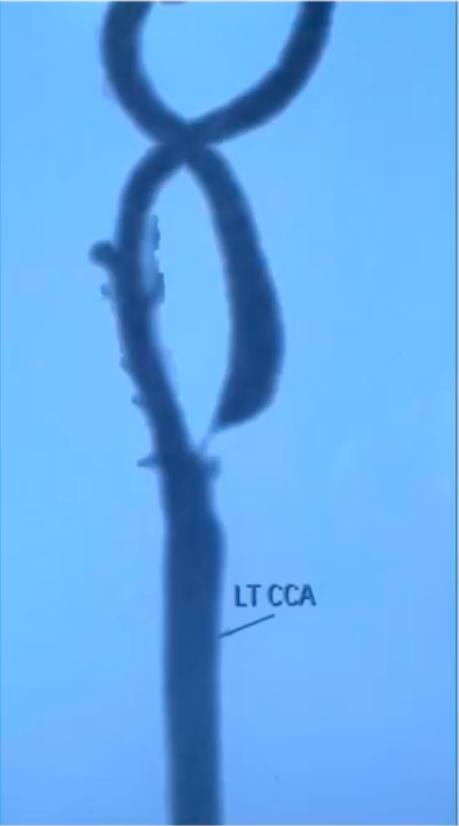
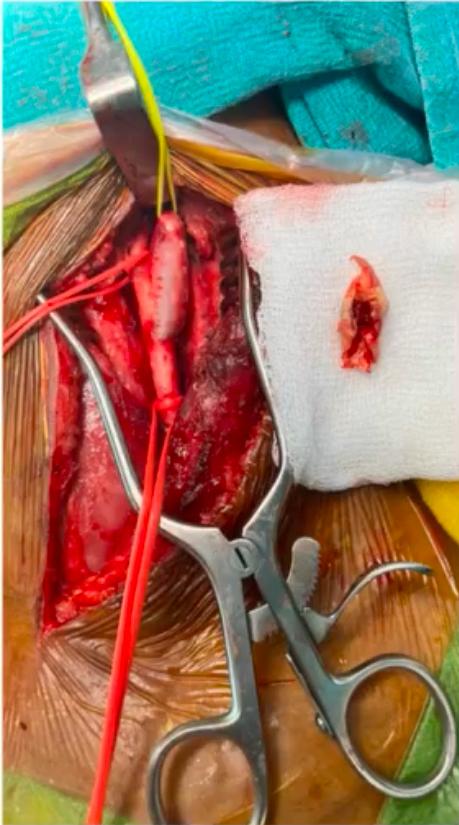
Carotid artery disease affects the blood vessels that carry oxygen-rich blood from the heart to the brain. It commonly develops when fatty deposits, or plaque, build up inside the carotid arteries and gradually narrow the blood flow. Because carotid artery disease can increase the risk of TIA (transient ischemic attack) and stroke, early evaluation and appropriate treatment are important.
If you are searching for carotid artery disease treatment in RTC Crossroads, a vascular specialist can assess your symptoms, risk factors, artery narrowing and overall health to determine the appropriate management approach. Treatment may range from lifestyle and medical management to procedures such as carotid endarterectomy or carotid artery stenting, depending on the individual situation.
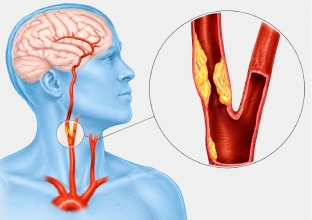
Carotid artery disease is a condition in which plaque builds up inside one or both carotid arteries. These arteries are located on either side of the neck and supply blood to the brain.
As plaque increases, the artery may become narrowed, a condition called carotid artery stenosis. A narrowed artery can reduce blood flow or allow plaque or blood clots to travel toward the brain, potentially causing a TIA or stroke.
Carotid artery disease may develop without noticeable symptoms, which is why identifying and managing cardiovascular risk factors is important.
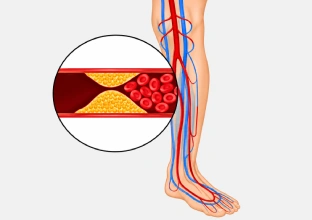
The most common cause is atherosclerosis, where plaque accumulates gradually within the artery wall. Plaque may contain cholesterol, inflammatory cells, calcium and other substances.
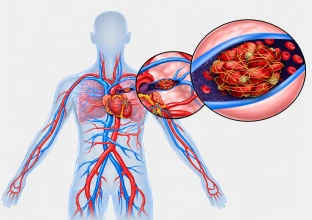
Over time, plaque can make the artery narrower and less flexible. In some cases, a blood clot can develop around an unstable plaque and interfere with blood flow to the brain.
Other less common causes can include certain artery-wall disorders or injury to a carotid artery. The exact cause is determined through medical assessment and appropriate imaging.
Several factors can increase the likelihood of developing carotid artery disease, including:
High blood pressure
High cholesterol
Diabetes
Smoking or tobacco exposure
Physical inactivity
Overweight or obesity
Unhealthy dietary patterns
Increasing age
Family history of cardiovascular disease
Some risk factors cannot be changed, but many can be addressed through lifestyle modifications and appropriate medical treatment.
Carotid artery disease may not produce symptoms until a TIA or stroke occurs.
Possible warning symptoms include:
Sudden weakness or numbness, particularly on one side of the body
Difficulty speaking or understanding speech
Sudden vision loss or blurred vision
Temporary loss of vision in one eye
Sudden dizziness or loss of balance
Sudden difficulty walking
A severe headache that comes on suddenly and has no clear cause
Even if these symptoms disappear within minutes, they should not be ignored. This could result in an ischemic stroke.
How Can Carotid Artery Disease Lead to Stroke?
A carotid artery narrowed by plaque can contribute to stroke in several ways. A piece of plaque or a blood clot can break away and travel through the bloodstream toward the brain. Alternatively, severe narrowing can interfere with adequate blood flow.
When part of the brain does not receive sufficient oxygen and blood, brain cells can become damaged. This can result in an ischemic stroke.
For people who have experienced a TIA or ischemic stroke and have significant carotid narrowing, timely assessment is particularly important because carotid disease may be a treatable source of future stroke risk.
How Is Carotid Artery Disease Diagnosed?
Diagnosis usually begins with a medical history and physical examination. A vascular specialist may ask about previous TIA or stroke symptoms, blood pressure, diabetes, cholesterol, smoking and family history.
Imaging may then be recommended to evaluate the carotid arteries. Carotid duplex ultrasound is commonly used to examine blood flow and identify narrowing. Depending on the situation, additional imaging such as CT angiography or MR angiography may be considered.
The appropriate tests depend on the patient's symptoms, examination findings and clinical history.
How Is Carotid Artery Disease Severity Determined?
The severity of carotid artery disease is generally described according to the percentage of narrowing, or stenosis.
Doctors also consider:
Whether the patient has experienced a TIA or stroke
Which carotid artery is affected
The location and characteristics of the narrowing
Overall cardiovascular health
Age and other medical conditions
Anatomy of the blood vessels
Risks associated with possible procedures
For symptomatic patients with significant stenosis, treatment decisions may differ from those for people who have narrowing but no neurological symptoms.
Carotid Artery Disease Treatment Options
Treatment is individualized according to the degree of narrowing, symptoms, stroke risk and overall health.
Lifestyle and Risk-Factor Management
Lifestyle management is an important part of carotid artery disease care. It may include:
Following a heart-healthy eating pattern
Maintaining a healthy weight
Being physically active as medically appropriate
Stopping tobacco use
Managing blood pressure
Managing cholesterol
Controlling blood sugar in people with diabetes
These measures can help address the cardiovascular risk factors associated with atherosclerosis.
Medicines When Prescribed by a Doctor
Depending on the patient's condition, a doctor may prescribe medicines to manage cholesterol, blood pressure, blood sugar or reduce the risk of blood clots.
Antiplatelet medicines may be used in appropriate patients, while cholesterol-lowering treatment can help manage atherosclerotic cardiovascular risk. Medication should only be started, stopped or changed under medical guidance.
Carotid Endarterectomy
Carotid endarterectomy (CEA) is a surgical procedure in which plaque is removed from the inside of the carotid artery.
It may be considered for selected patients with significant carotid stenosis, particularly when symptoms such as TIA or ischemic stroke are associated with the narrowed artery. The decision depends on factors including the degree of stenosis, timing of symptoms, surgical risk and overall health.
Carotid Angioplasty and Stenting
Carotid artery stenting is a minimally invasive procedure in which a catheter is used to reach the narrowed carotid artery. A stent can then be positioned to help keep the artery open.
Stenting may be considered for selected patients when surgery presents particular challenges or when individual anatomical and medical factors make it an appropriate option. The choice between stenting and endarterectomy depends on patient-specific factors.
Treatment Considerations for Different Patient Situations
There is no single treatment approach suitable for every person with carotid artery disease.
A vascular specialist may consider whether the disease is symptomatic or asymptomatic, the percentage of stenosis, age, other medical conditions, anatomy of the carotid arteries, previous procedures and the potential risks and benefits of intervention.
Shared decision-making is important when discussing treatment options.
Carotid Endarterectomy vs Carotid Artery Stenting
Both procedures aim to address significant carotid artery narrowing, but they are performed differently.
Carotid endarterectomy involves surgically opening the artery and removing plaque. Carotid artery stenting uses a catheter-based approach to place a small mesh tube inside the narrowed artery.
The choice is not based on the procedure name alone. Factors such as vascular anatomy, previous neck procedures, medical conditions, age, surgical risk and the experience of the treating team can influence the decision.
Recovery and Follow-Up After Treatment
Recovery depends on the treatment performed and the patient's overall health.
After treatment, follow-up may include monitoring for neurological symptoms, checking blood pressure and cholesterol, taking prescribed medicines and maintaining healthy lifestyle habits.
Your vascular specialist may also recommend follow-up imaging to monitor the treated artery or the opposite carotid artery when clinically appropriate.
Any new weakness, speech difficulty, vision changes or other sudden neurological symptoms require immediate medical attention.
How Can Carotid Artery Disease Be Prevented?
Not every case can be prevented, but reducing controllable cardiovascular risk factors can support better vascular health.
Important steps include:
Avoiding smoking and tobacco products
Managing blood pressure
Keeping cholesterol under control
Managing diabetes
Maintaining a healthy weight
Eating a balanced, heart-healthy diet
Staying physically active
Attending recommended health checkups
These measures can also help reduce the broader cardiovascular risks associated with atherosclerosis.
When Should You Consult a Vascular Specialist?
Consider a vascular evaluation if you have been diagnosed with carotid artery narrowing, have significant cardiovascular risk factors, have experienced symptoms suggestive of a TIA or stroke, or have an abnormal carotid imaging report.
A specialist can review your medical history and imaging results and explain whether continued medical management, monitoring or an intervention should be considered.
Stroke and TIA Warning Signs That Require Emergency Care
Stroke symptoms can appear suddenly. Remember FAST:
F – Face: One side of the face may droop.
A – Arms: Sudden weakness or numbness may affect one arm.
S – Speech: Speech may become unclear, difficult or unusual.
T – Time: Seek emergency medical care immediately.
Other warning signs can include sudden vision problems, loss of balance, difficulty walking or a sudden severe headache.
Symptoms that disappear after a short time may represent a TIA and still require urgent medical assessment. Do not wait for symptoms to return or attempt to manage them at home.
Carotid Artery Disease Treatment in RTC Crossroads, Hyderabad
For people searching for carotid artery disease treatment in RTC Crossroads, Hyderabad, accessing a vascular specialist nearby can make it easier to arrange evaluation, diagnostic testing and follow-up care.
A consultation can help determine whether symptoms or an imaging finding are related to carotid artery disease and whether additional testing is needed. Treatment may involve risk-factor management, prescribed medication, monitoring or a procedure depending on the individual diagnosis.
If you are located around RTC Crossroads, Himayatnagar, Musheerabad, Secunderabad or nearby areas of Hyderabad, discuss persistent or concerning vascular symptoms with a qualified medical professional rather than delaying evaluation.
What to Expect During a Carotid Artery Consultation
During your consultation, the vascular specialist may review:
Your current symptoms
Previous TIA or stroke history
Blood pressure and cholesterol levels
Diabetes and smoking history
Existing medical conditions
Previous vascular procedures
Carotid ultrasound or other imaging reports
Current medicines
Based on this information, the specialist can explain the degree of carotid narrowing and discuss appropriate next steps.
Bring previous scan reports, prescriptions and relevant medical records to your appointment if available. This can help the specialist understand your medical history more completely.
Frequently Asked Questions
Carotid artery disease occurs when plaque builds up in the carotid arteries and causes narrowing. Because these arteries supply blood to the brain, significant disease can increase the risk of TIA and stroke.
Yes. Many people have no noticeable symptoms until a TIA or stroke occurs. This is why cardiovascular risk-factor management and appropriate medical evaluation are important.
Yes. Depending on its severity and the patient's symptoms, management may include lifestyle changes, medicines, monitoring, carotid endarterectomy or carotid artery stenting.
Neither procedure is universally appropriate for every patient. The choice depends on factors such as symptoms, degree of stenosis, anatomy, age, other medical conditions and procedural risk.
Yes. Significant carotid disease can contribute to stroke when plaque or clot material travels toward the brain or when blood flow is significantly compromised.
Sudden facial weakness, arm weakness or numbness, speech difficulty, sudden vision loss, severe balance problems or other sudden neurological symptoms require emergency medical attention. Even symptoms that disappear quickly can indicate a TIA.